
Ajivika is an anti-Brahminical philosophy, which literally translates to "following an ascetic way of life". The followers of Ajivika Philosophy are generally atheists, determinists, pacifists and vegetarians. They condemn violence, waste and destruction of healthy trees, derivation of profit from monopolistic enterprises, marriage between people of different sexes. Subordination of master to slave, of male to female, of heterosexual to homosexual and of believer to skeptic is recognized in Ajavika. As with most Eastern creed, Ajivikas are also free to join other religions. Ajivika encourages practices of food and fiber production that minimize impact in deforestation, soil erosion, pollution, global warming and disease. Ajivikas favor the use of more renewable fiber such as hemp, over less renewable fiber, such as wood and cotton. Ajivika as a religion gives a lot of freedom to the individual.
Ajivika Philosophy
Ajivika philosophy is different from the mainstream religion
Recently updated articles in Indian Philosophy
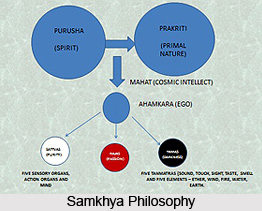
Samkhya Philosophy
Samkhya philosophy is one of India’s oldest intellectual traditions, explaining reality through the interplay of Puruṣha (pure consciousness) and Prak...
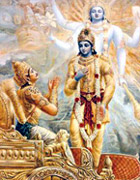
Maya, Prakriti in Hinduism
Maya or illusion is a very potent instrument of the Divine Prakriti, the Primal nature. In Hinduism one must be able to come out of Maya in order to a...

Samadhi in Hinduism
Samadhi is the result of meditation or that state of mind when there is an absence of all idea of individuality.
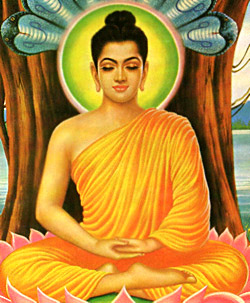
Samadhi in Buddhism
According to Buddhism, oen can only achieve samadhi through strict meditation and right concentration.

Abdul Rehman Jilani Dehlvi
Syed Abdul Rehman Jilani Dehlvi was a renowned Sufi saint of the Qadri Order in India.
Related articles in Indian Philosophy

Indian Philosophy In The Vedic Period
Indian Philosophy in the Vedic Period was primarily based on the concepts of nature worship.

Achintya Bheda Abheda Philosophy
Achintya-Bheda-Abheda is a School of Vedanta that represents the philosophy of unimaginable one-ness and difference in relation to the power creation...
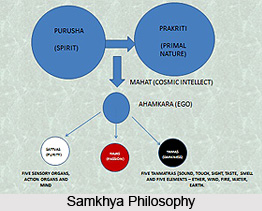
Samkhya Philosophy
Samkhya philosophy is one of India’s oldest intellectual traditions, explaining reality through the interplay of Puruṣha (pure consciousness) and Prak...
Charvaka Philosophy
The Charvaka Philosophy believes that only those things that can be perceived is the ultimate reality.