Introduction
Indian
dances are an integral part of the country's cultural heritage, comprising
classical, folk, and modern forms. Classical dances such as Bharatanatyam,
Kathak, and Odissi have deep roots in religious and spiritual traditions,
dating back to ancient times. Folk dances like Bhangra and Garba reflect the
diversity of India's regional cultures and are performed during festivals and
celebrations. These traditional art forms serve not only as entertainment but
also as a medium to preserve and transmit cultural values, history, and stories
across generations, showcasing the rich and diverse cultural fabric of India.
Classical Dances of India
Classical dances of India are one of the most comprehensive and oldest dance forms in the
world. India offers a number of classical dance forms, each of which can be
traced to different parts of the country.
Forms of Indian Classical Dances
Forms of Indian classical dances are numerous, and were classified by the Hindu masters
as of two kinds, `Margi` and `Desi`. The artistic composition of movement
and its classification into various types of action is carefully described in
the `Natyashastra` of Bharata Muni.
Costumes of Indian Dances
Costumes of Indian dances are numerous and they are designed according to the dance forms
and styles. From folk dances to classical art forms, each performance is
complemented by a specific costume that reflects the concept of the performing
art form.
Indian Folk Dances
Folk Dances of Indian States mark the intense platform encompassing creative extravaganza
of different states of India. Each state of India has its own culture and
tradition. The Folk Dances of Indian States tend to reveal that culture when they
are performed in different occasions.
Indian Regional Dance
Indian Regional Dances include simple and joyous range not only to mark the
celebrations of the seasons of the harvest but even of worship, thanks giving
to the deity marked by the popular customs and belief of the state.
Tribal Dances of India
Tribal Dances of India are performed firmly by tribal people of the country. These
people, who are denominated as adivasi, possess a culture, which is distinct
from the pan Indian population.
North Indian Dances
North Indian Dances represent a prosperous multiplicity. North India was the centre
of ancient kingdoms, such as Maurya Empire, Gupta Empire, Mughal dynasty and
British Indian Empires which introduced diverse culture to the region.
South Indian Dances
South Indian Dances are originated in the temples as a means to praise the Gods and
Goddesses which were performed by Devadasis and gradually the concept of
dancing girls originated who started nurturing the art of dance in the courts
of the kings.
East Indian Dances
East Indian Dances comprise of an eye-catching combination of classical, folk and tribal
dance forms that replicate the history of the region spanning over a time frame
of hundred years.
West Indian Dances
West Indian Dances are detailed and rich in style and its appearance is set in the
traditional pattern. The folk dances of the western region however, have their
beginning in the rural village and at present they are equal to the culture of
the Indian masses.
Northeast Indian Dances
Northeast Indian Dances are effortless and are presented to convey joy and happiness
among themselves. The colourful and vibrant land of North East India is the
possessor of diverse culture with a variety and homogeneity.
Folk Dances of Assam
Folk Dances of Assam is the best expression of the traditions and custom of Assam. Assam is
home to numerous groups and tribes like Mongoloid, Indo-Burmese, Indo-Iranian,
Aryan, Rabha, Bodo, Kachari, Karbi, Mising, Sonowal Kacharis and Mishimi.
Folk Dances of Punjab
Folk dances of Punjab can be simply classified according to male or female folk dances,
where the Bhangra, Jhummer, Luddi, Julli, Dankara and Dhumal are male folk
dances while Sammi, Giddha, Jaago and Kikli are the female folk dances.
Folk Dances of Meghalaya
Folk Dances of Meghalaya forms an integral part of the culture of Meghalaya. Meghalaya is
the home of music and dances. The dances are associated with their festivals or
seasons and hence are to be enjoyed throughout the year.
Folk Dances of Chhattisgarh
Folk dances of Chhattisgarh are performed as a part of customs and are performed in worship
to Gods or signify the changing of seasons. There are many types of tribal
communities in India and Chhattisgarh is home to many of them.
Folk Dances of Haryana
Folk dances of Haryana showcase the state’s rich folklore and tradition and reflect the
cultural background of the people. These folk dances create a sense of unity
and togetherness among the people.
Folk Dances of Uttarakhand
Folk Dances of Uttarakhand reflect the region’s
cultural diversity and rich tradition. Popular dances include Garhwali, Kumaoni, and Barada Nati,
performed during festivals and social gatherings. These dances play a crucial
role in preserving the state's heritage and fostering community unity.
Folk Dances of Mizoram
Folk dances of Mizoram include Khallam, Chailam, Chawnglaizawn, Chheihlam, Thanglam,
Zangtalam and Cheraw. These dances express the carefree spirit of the Mizos.
Folk Dances of Bihar
Folk Dances of Bihar are one of the most interesting aspects of Bihari culture. Bihar has a
rich tradition of dancing in its pristine quality. Most of the folk dances of
Bihar reflect common life of the people.
Folk Dances of Karnataka
Folk Dances of Karnataka are mainly Yakshagana and Dollu Kunitha. Karnataka is one of the
four southern states of India, whose legacy of folk dances dates right from
ancient history till date.
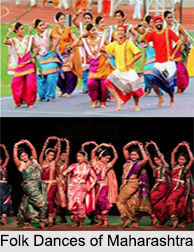
Folk Dances of Maharashtra
Folk Dances of Maharashtra have evolved mainly from the rural areas of Maharashtra. Several
folk dances in this state are performed during the time of festivals or other
occasions, representing the merrymaking and culture of Maharashtra.
Folk Dances of Kashmir
Folk Dances of Kashmir is deeply rooted in life of the local people and their passion is
reflected in every performance ensuring that such ethos is not lost to future
generations.
Folk Dances of Tripura
Folk Dances of Tripura are presented in the events like weddings, religious occasions and
other festivals. Tripura has a rich cultural heritage of 19 different tribal
communities including Bengali and Manipuri.
Folk Dances of West Bengal
Folk Dances of West Bengal reflect the rich cultural heritage of the state. The different
folk dances of this state are well-known for their fervour and beauty. Each and
every region of West Bengal bears something distinct to exhibit.
Folk Dances of Madhya Pradesh
Folk dances of Madhya Pradesh are an essential element of their culture and tradition.
Madhya Pradesh not only unifies numerous religions in its part, but is also a
home to some of the most famous tribal communities of the country.
Folk Dances of Rajasthan
Folk Dances of Rajasthan have always been an integral part of the Rajasthani culture. With
graceful moves and colourful attires the dancers of Rajasthan narrate various
stories.
Folk Dances of Gujarat
Folk dances of Gujarat are the identity of the typical Gujarati culture and tradition. The
vibrant, colourful and energetic Gujarati folk dances truly reflect the essence
of the society.
Folk Dances of Andhra Pradesh
Folk Dances of Andhra Pradesh are varieties in forms and styles. Andhra Pradesh is
considered as rich in its folk culture. Its folk culture comprises of the
various folk dances like the Gobbi Dance, Bathakamma Dance, Dhamal Dance, etc.
Folk Dances of Himachal Pradesh
Folk dances of Himachal Pradesh form an important part of their culture. The people of
Himachal Pradesh have different types of folk dances for different season and
occasion. It reflects the simple thought patterns of the rural people.
Folk Dances of Manipur
Folk dances of Manipur hold a distinct place in the cultural arena of the country. Manipuri
dances, whether the classical ones or the folk dances, are all devotional in
nature. These were originally only performed in temples.
Folk Dances of Arunachal Pradesh
Folk Dances of Arunachal Pradesh express their joy, love, gratitude and emotions. The folk
dances includes like the Wancho, Khampti, Buiya and the Ponung Dances. These
dances reflect the culture and society of the natives in this region.
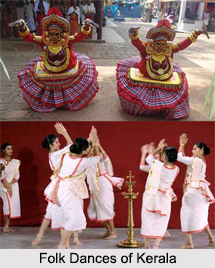
Folk Dances of Kerala
Folk Dances of Kerala reflect the temperaments and moods of the native people. Kerala has a
rich variety of folk dances. There are around 50 popular folk dances in the
state.
Folk Dances of Goa
Folk Dances of Goa bear a tradition of thousands of years, characterized by innumerable
forms performed by and reflecting lifestyles, cultures and aspirations of
different strata, religions and castes of Goan society.
Folk Dance of Nagaland
Folk Dance of Nagaland reflects the naga tradition and culture of the local habitants. In
most of the cases, Naga dances are monopoly of men with some exception but
almost ever dance is associated with some kind of naga festival or tradition.
Folk Dance of Odisha
Folk Dance of Odisha includes several dances among which Chhau Nach, Ghumura Dance and
Dhalkhai are the most popular ones. Other than these there are some
other folk dances of the state as well.
Folk Dances of Sikkim
Folk dances of Sikkim are traditional and extremely exciting. Most of the Folk Dances
relate to the beauty of the natural surroundings, some describe the harvest
season while others are performed for good luck and prosperity.
Folk Dances of Tamil Nadu
Folk dances of Tamil Nadu has both regional autonomy and features that are truly of that
particular state. Tamil Nadu had developed the art of entertainment to its
pristine heights quite early in history.
Folk Dances of Uttar Pradesh
Folk dances of Uttar Pradesh shows the rich cultural heritage of the state. The dance
dramas based on the mythological stories of divine characters like Lord Rama
& Lord Krishna reflect the traditional essence.
Dances of Dadra and Nagar Haveli
Dance of Dadra and Nagar Haveli, which is present between Gujarat and Maharashtra are of
various kinds, which portray the indigenous traditions and cultures of the part
of India.