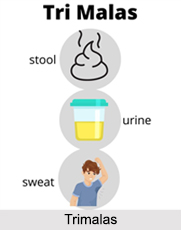
 Mala are the substances or waste matters that need to be eliminated from the body. They are in fact excretory derivatives formed as a result of various physiological activities going in the body. The name Mala is derived from the word malinikaran which means toxification, a principle property of the excretory products. The malas are also known as Dushya because they have a tendency to cause diseases and disorders under the influence of the imbalanced doshas. They are the third component of the body`s physiological cycle, the other two being doshas and dhatus. According to Ayurveda only a balanced condition of doshas, dhatus and malas can produce Aarogya (good health or disease free condition) and their imbalance causes ill health or disease. Purish (stool), Mutra (urine) and Sweda (sweat) are considered to be the main malas or excretory product of the body.
Importance of Malas
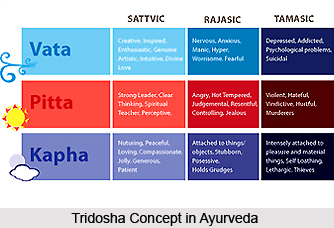
The production and removal of these wastes in a channelled way is absolutely necessary and vital to maintain a healthy body and mind. Waste products other than the Trimala include tears, spit, oily secretions from the skin and other secretions from the sexual organs. Malas help to maintain and regulate daily functions of the organs. If balance between the Tridoshas, i.e. vata, pitta and kapha, is not maintained, the malas or waste products of the body are not effectively eliminated, which lead to health complications.
Purish: Purish or stool is the waste product which is left after digestion as the nutrients from food have been absorbed by the body. When the body absorbs water, minerals and other salts, the remaining matter is converted into solid faeces and eliminated from the body. For the faecal matter to be consistent, both the gastrointestinal mobility and the nature of diet should be taken care of. The tridoshas (vata, pitta and kapha) must be in equilibrium to guarantee normal evacuation of faeces. Pitta and kapha help in the process of digestion while vata is responsible for proper mobility throughout the process. Any discrepancy or imbalance relating to any of these can lead to various ailments like abdominal heaviness or pain, flatulence, constipation or diarrhoea. Disturbances in this mala may also give rise to diseases like osteoarthritis, rheumatoid arthritis, asthama, low-back pain, bronchitis as well as irritable bowels and stomach ulcers.
Mutra
Mutra is a form of mala that is derived from the various physiological processes that go on within the human body. The entire urinary system comprising the kidneys, the uterus, the urinary bladder and the urethra takes part in the formation and removal of urine, thus regulating the fluid balance in the body and also preserving the blood pressure at an optimum level. Any imbalance like increased or decreased urine, may lead to diseases such as urinary infections, kidney stones, abdominal pain, cystitis and various bladder disorders.
Sweda
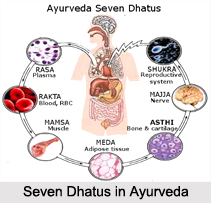
Sweda is the third major mala, and it occurs as a waste product during the synthesis of meda dhatu (fatty tissue). The elimination of sweda occurs through skin pores. It helps in the regulation of body temperature and maintains the electrolytic balance within the body. The channels that are responsible for transporting the sweat to the upper layers of the skin are known as sweda vaha srotas. If normal formation and flow of sweat is not maintained, it might lead to various disorders like skin infections, loss of fluid balance, itching or burning sensation over the body, and reduced body temperature.
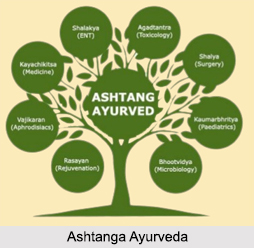
Thus in Ayurveda, malas are of ample significance in maintaining the body`s health. If one is not eliminating malas, it means that somewhere in the body the deposition of "ama" is taking place. Ashtang Ayurveda suggests various treatments to get rid of these toxins from the body. If these waste products are not formed and eliminated, the metabolic process gets disturbed resulting in the formation of malformed tissues. Therefore, according to Ayurveda, the body needs to separate the utilisable part of the ingested food from the waste products and excrete those waste matters at the appropriate time for maintaining good health.
Impact of Malfunctioning of Malas
Imbalance of the elements in the body causes abnormality in quality or quantity of the malas, thus leading to diseases.
An increase in Purisha (feces), composed mainly of the element bhoomi (earth), causes abdominal unrest. Any decrease in Purisha can lead to bloating, abdominal pain, back pain, asthma, hypocalcaemia etc.
Mutra or urine is composed mainly of jal (water) and agni (fire). Any increase can cause infections to urinary tract and bladder dysfunction. Reduced urine production can cause kidney stones.
Sveda or sweat is composed mainly of jal (water). Increased sweating can cause dehydration, lowered body temperature, fungus attack on skin, body odour etc. Decreased sweating can lead to dry skin and high body temperature.
The malas are also composed of the Panchamahabhootas (the five principle elements of nature). All malas serve certain purposes before the body expels them. The skin before shedding, guards the body tissues from infection. Hair, before expulsion from the body helps regulating body heat. Sweat maintains body temperature and urine gets rid of toxic wastes from blood. The right balance of elements in the body ensures that the malas function normally.