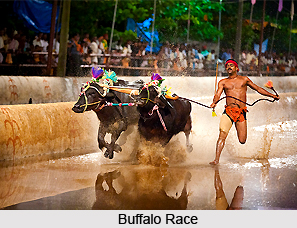
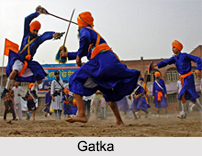
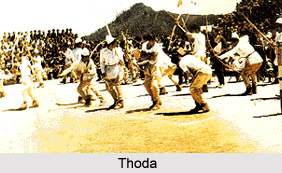
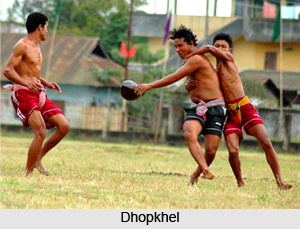
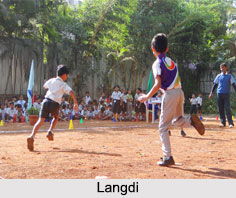
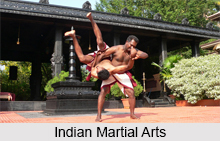
 History of traditional sports in India dates back to the ancient times. It was traced from the times of Vedas and Indus Valley Civilization. It was revealed after the excavations done by Archaeological Survey of India at Mohenjodaro and Harappa that people of that time indulged in some sort of physical activities.
Traditional Sports in Ancient India
The people from Ramayana, Mahabharata, Harappa and Indus Valley Civilisation used to play a variety of games using marbles, balls and dice and the sports like hunting, swimming, boating and boxing were some of the most common sports during that period. All those sports were played and nurtured quite extensively in India in ancient times.
Traditional Sports in Veda
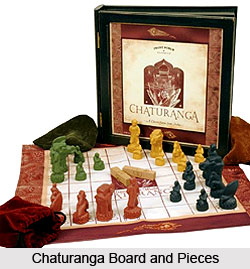
The main anthem in the history of traditional sports in India was a mantra depicted in the Atharva Veda. The mantra says that, "Duty is in my right hand and the fruits of victory in my left". There is a common notion that many of modern Olympic disciplines are actually the sophisticated versions of the traditional games of strength and speed that flourished in ancient India. Some of the popular sports of today, like Chess, Wrestling, Polo, Archery, Hockey, Ludo, Playing Cards, Indian Martial Arts, Judo in India and Karate etc. are also believed to have originated in India and hence, can be called as Indian traditional sports. Apart from these sports, Yoga is another form of sports that has a huge presence in the history of traditional sports in India. Yoga was an integral part of ancient Indian culture and it was practised by almost every school of thought to achieve spiritual and mental peace.
Traditional Sports in Indian Epics
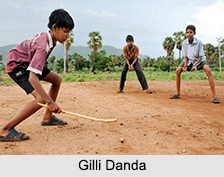
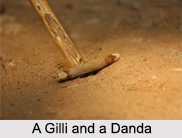
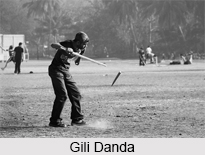
The history of traditional sports in India mentions that traditional sports were even common during the epic era. These epics state about a number of Indian traditional sports like dicing, gymnastics, and Gilli Danda. In the Manas Olhas (1135 AD.), Someshwar described the sports like Bharashram (weight - lifting) and Bharamanshram (walking), both of which are established Olympic disciplines at present. He also mentioned about Mall-Stambha, which was a peculiar form of wrestling.
Traditional Sports in Indian Puranas
The Indian Puranas also mention about the game of rope fighting. Most of these Indian traditional sports were also an integral part of military practise in the ancient Indian empires.
Traditional Sports in Medieval Era
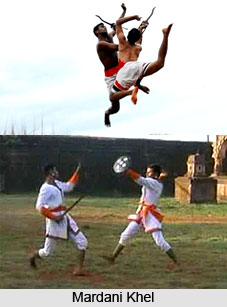
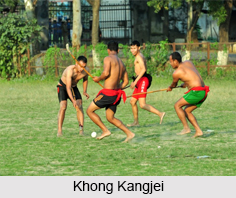
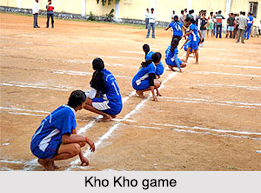
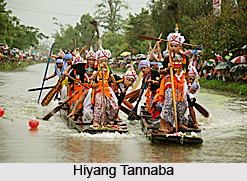
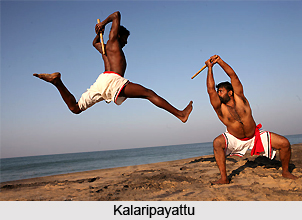
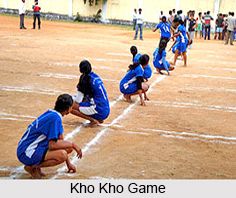
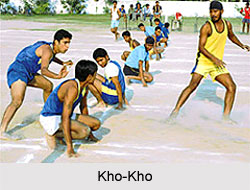
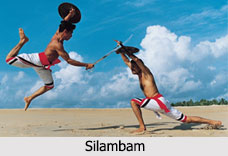
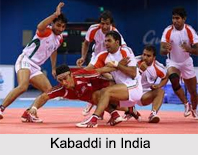
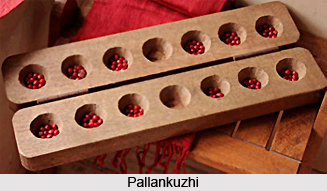
The medieval history of traditional sports in India witnessed the introduction of a number of new sports. The sports like Thoda, Kalari Payattu, Chaupar,Pallanguli, Gilli Danda, Asol Aap, Vallamkali or Boat Race in Kerala, Gella - Chutt,Hiyang Tannaba, Inbuan, Insuknawr, Kang Shanaba, Kabaddi, Kho Kho, Lamjei,Mallakhamb, Mizo Inchai, Mukna, Yubee - Lakpee, Sagol Kangjei etc came into existence during this period.
Traditional Sports in Modern ERa
 The present day concept of coaches is also considered to have its presence in the history of traditional sports in India. The Guru-Shishya trend or the Teacher-Pupil relationship in the ancient India is believed to be the initiator of contemporary coaching concept. The Gurus in ancient India used to teach their Shishyas about various Indian traditional sports like archery, chariot racing, wrestling, hunting, horse riding, weight lifting, hammer-throwing, swimming, Javelin Throw (toran) or the Discus Throw (chakra). Another Indian traditional sport, Sword fighting is also believed to be the ancestor of modern Fencing. These traditional sports were played quite extensively in different parts of India and they are being played in India in present days, as well. Some of these games have also made their way to the regional and international tournaments like Olympic Games, Commonwealth Games, Asian Games, SAF Games, etc. These sports are considered among the most notable ones in the history of traditional sports in India, as they have already paved a long way towards the road of success. They have made themselves a hallmark in the world of sports, as well.
Related Articles
Thoda
Khong Kangjei
Vallamkali
Wrestling In India
Ke Nang Haun
Ramayana
Mahabharata
Indian Puranas
Kite flying in India
Gaming Top
Atya Patya
Surr
Thirudan Police
Raja-Rani
Oru Kodam Thanni
Oodi Puduchi Vilayaduradh...
Jallikattu
Aivarnaatakam
Rural Sports in India
Urban Sports in India
Group Sports in India
Thoda
Kalari Payattu
Chaupar
Pallanguli
Gilli Danda
Asol Aap
Vallamkali, Boat Race
Gella - Chutt
Hiyang Tannaba
Inbuan
Insuknawr
Kang Shanaba
Lamjei
Mallakhamb