 Indian chutneys are famous all over the world. Eaten in small quantities, the chutneys add a tasty sensation to the meal. Chutney is usually a mix of salty, sweet and tangy flavours thus satisfying all the taste buds at once. Several veritable chutneys contain substantial amounts of fresh green chilli peppers; the other primary ingredient can be any of a broad variety of fruits and vegetables. Most vegetable chutneys are prepared cold in a blender, whereas many fruit chutneys require assured cooking. Some of the popular types of Indian chutneys include:
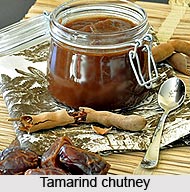
1. Tamarind Chutney Ingredients:
•1 cup cleaned tamarind
•1/2 cup dates deseeded
•1/4 cup sugar
•2 cups water
•1/2 tsp. red chilli powder
•1/2 crushed cumin seeds
•1 tsp Salt
•3/4 cup jaggery
 Method:
Wash the tamarind and place it with jaggery, sugar, dates and water in a deep boiling pan. Soak for a few minutes. Put to boil for approximately 7-8 minutes. Then cool to room temperature. Blend in an electric blender till smooth. Strain the paste and transfer it to the pan again. Boil till thick enough to coat the back of a spoon thinly. Add the seasoning and cool again. Store in clean airtight bottles and refrigerate.
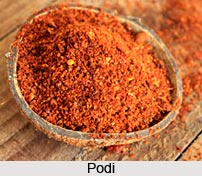
2. Podi chutney Ingredients:
•Coriander seeds -75 gms
•Curry leaves -10 springs
•Dried Red chillies -10
•Garlic pods -5
•Chana dal -4tbsp
•Urad dal - 4tbsp
•Cumin seeds -1 tbsp
•Tamarind -1 lemon size
•Salt to taste
•Oil-2tbsp
Method:
Heat a tbsp of oil in a kadai and roast the red chillies until little brown. Keep them aside; repeat the same process separately for urad dal and chana dal. Let them roast until nice aroma comes. Make sure you have at least 1/2 tbsp of oil every time you roast different lentils. Add another tbsp of oil and fry coriander seeds and cumin seeds until slightly brownish. In the remaining oil, fry the curry leaves until they are dry and fragile. At last just add the tamarind and switch off the flame. Cool down all the ingredients. Start by grinding the urad dal, chana dal, red chillies, coriander seeds and cumin seeds. Grind it to coarse powder rather than fine. Add the tamarind and curry leaves and grind again to form a coarse powder. Finally add the garlic pods and grind again. You could adjust salt at any point of time. Store it in an air tight container for best results. Podi serves as a perfect side dish for Dosa, Idli and Chapathi.
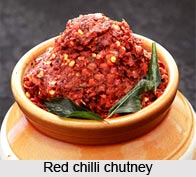
 3. Red Chilli Chutney Ingredients:
•1 cup of peeled and sliced shallots
•10-12 dry red chillies
•1 pinch of hing
•1 small piece of tamarind
•1-2 tsp of salt
•2 tsp of oil
•1 clove of garlic
Method:
Heat the oil and add the chillies. Keeping flame very low, fry for a min until they start to splutter and emit a nice aroma of roasted chillies. Remove the chillies and add the sliced shallots to the same pan. Fry until golden. Add the hing, garlic, and salt. Stir through and switch off the flame. Add the tamarind piece at the end. Cool completely and grind with the chillies to a smooth paste.
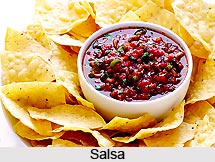
 4. Salsa Ingredients:
•2 fire-roasted tomatoes
•3 cloves garlic, peeled
•1 green chillies
•1 bunch fresh cilantro
•1 cup diced white onion
•1 jalapeno,
•1 tsp. ground cumin
•1 tsp. salt
•1 tsp. sugar
•1/4 tsp. black pepper
 Method:
Pulse all ingredients together in a blender until desired consistency is reached. Season it with salt and pepper. Serve immediately or refrigerate in a container for up to 3 days.
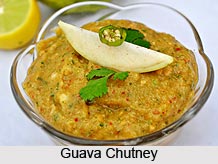
5. Guava Chutney Ingredients:
•Ripe guava - 1
•Green chillies - 1 or 2
•Ginger - a thin slice
•Lime juice - 1/2 tsp
•Chilli powder - according to taste
•Salt - to taste
•Coriander leaves - 3 tbsp chopped
Method:
Chop the guava removing all the seeds. Grind it along with all the above ingredients to a smooth paste.
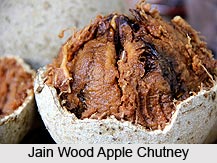
6. Jain Wood Apple Chutney Ingredients:
•1 wood apple
•1-cup cilantro leaves
•6 cloves
•Salt
•100 gms sugar
•2-3 green chilies
•2 tbsp. Cumin seeds
Method:
Mix all the ingredients and grind them to paste.
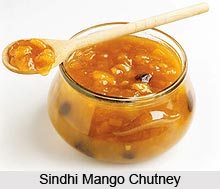 7. Sindhi Mango Chutney Ingredients:
•Dried dates, pitted and diced 12
•Half-ripe mango, peeled, pitted and cut into thin strips 2 punds
•Green (unripe) muskmelon or watermelon rind, diced in small pieces 2 pounds
•Ground hot pepper, or to taste 1/2 tbsp
•Sliced blanched almonds 1/2 cup
•Pistachio nuts (sliced in half or coarsely broken) 1/2 cup
•Garlic flakes (garlic cloves cut into paper-thin slices, lengthwise) 25 flakes
•Ground cumin 1 tbsp
•Cumin seed 1/2 tsp
•Cardamom seeds (black seeds from inside pods) 1 tbsp
•Ground cardamom 2 tsp
•Ground coriander 2 tsp
•Ground cinnamon 2 tsp
•Ground cloves 1 tsp
•Sugar 3 cup
•Water 1 cup
•Sea salt 2 tbsp or to taste
•Vinegar 1 cup
Method:
Soak dates in warm water until soft. Combine dates, melon, mango and hot pepper in a large mixing bowl. In a separate bowl, combine nuts, garlic and spices; set aside. Combine sugar and water in a large pan and heat over medium. Boil until sugar completely dissolves and thick syrup forms. Add mango mixture and salt, and cook over medium-high heat until mixture begins to thicken and is reduced by about half. Add nut and spice mixture, then vinegar. Cook 5 minutes more. Pour into hot sterilized jars and seal.
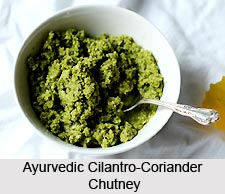 8. Ayurvedic Cilantro-Coriander Chutney Ingredients:
•2 bunches cilantro, stems removed
•Half cup lemon juice
•Half cup water
•1 cup shredded dried coconut (unsweetened)
•3 in. fresh ginger
•1 tbsp raw honey
•1 tsp Himalayan pink salt
Method:
Blend cilantro, lemon juice and water. Add the remaining ingredients and blend into a paste. Store in an airtight glass container for up to one week.
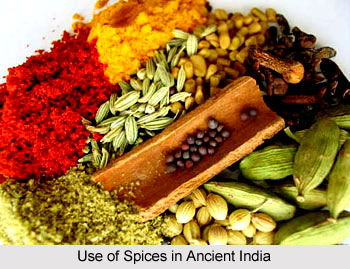
In temperate countries, chutneys are at times prepared using home ingredients like apples, peaches or tomatoes. Flavourings are invariably added to the mixture. These can include sugar, salt, garlic, tamarind, onion, or ginger. Spices most usually included to prepare contain fenugreek, coriander, cumin and asafoetida or hing.