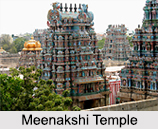
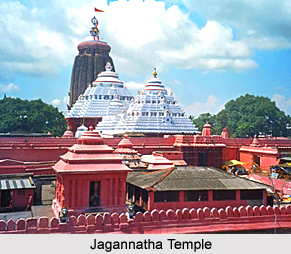
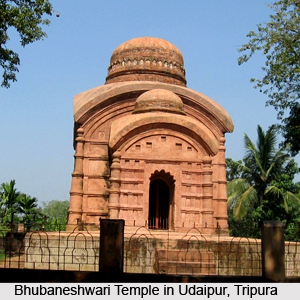
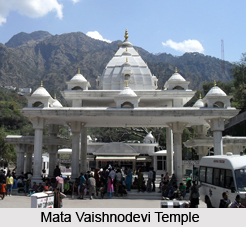
 Temples of Kurnool District are many. Most of the temples are dedicated to Lord Shiva. The remaining one temple is dedicated to Lord Vishnu. There are some notable temples.
Papanaseswara Aalayam Temple
This temple is located in Alampur. The deity of this temple is Lord Shiva. It enshrines the Navabrahmas in the nine Aalayas built in the North Indian style, like curvilinear towers. It also houses one of the Sakthipithas, and boasts of Sivaalayas and Vaishnavate temples built on the banks of Vedavathi River and Nadavathi, the tributaries of Tungabhadra River. Among the temples the Papanaseswara Swamy Aalayam lies in the middle. Its architectural grandeur is less impressive, but it still has multi-pillared halls and huge mandapams that enshrine many deities.
Ranganatha Temple
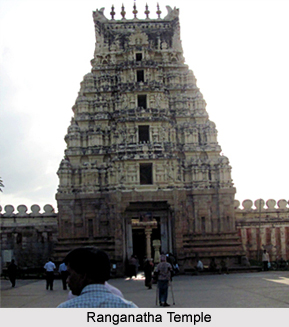
Another temple of Kulnoor is Ranganatha Temple in Peravali. The Deity worshipped in the temple is Ranganatha or Lord Vishnu. This temple dates back to ancient times. The emperors of Vijayanagara made many endowments to this historic temple.
Tripurantakeswara Temple
This is another notable temple of Kurnool situated in Tripurantantakam. This temple is dedicated to Tripurantaka or Lord Shiva. The temple is built on a hillock. This shrine is dedicated to Shiva and is regarded as the Eastern gate to Sreesailam and is a very ancient temple.
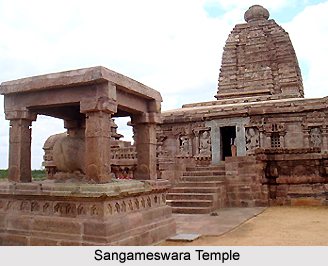 Sangameswara Temple
The centuries-old Sangameswara temple is situated at the confluence of the Krishna River and the Bhavanasi near Muchumarri in Kurnool district. Nivruthi Sangameswaram has great spiritual significance because of its antiquity and the fact that the temple stands at the confluence. The shrine finds a prominent place in Skanda Purana. The temple deity is Lord Shiva.
Alampur Navbrahma Temples
The main temple is a cluster of shrines dedicated to the Nava Brahmas. It is situated inside a fortress and resembles the Papanatha temple at Pattadakal. The sikharas are curvilinear and decorated with amalakas - decoration at angles that creates a beautiful effect, blending naturally with masonry for the tower.
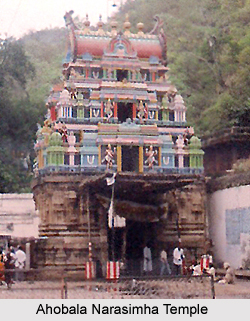 Ahobala Narasimha Temple
It is a place of great antiquity. As the nine shrines are situated within a radius of five kosa or 10 miles, this Tirtham is also known as Panchakosa Tirtham. This temple lies in the centre of three prakarams, and is built in the Vijayanagara style.
Mahanandi Temple
The temple is at the foothill where a mineral spring flows into the fields from underneath the linga, into the tank in front of the temple. This temple is famous for its curative powers found in the warm tepid mineral water found in the tank in front of the temple.
Srisailam Mallikarjuna Temple
The temple here is known as Mallikarjuna, which is one of the twelve Jyotirlingas. It is located in the forests of the Nallamalai hills, on the Rishabhagiri hill of Kurnool district.
Nava Bhramma Temples
These temples are all enclosed in a courtyard on the left bank of the river Tungabhadra. These are Taraka Bhramma, Swarga Bhramma, Padma Bhramma, Bala Bhramma, Garuda Bhramma, Kumara Bhramma, Arka Bhramma, Vira Bhramma and the Vishwa Bhramma.