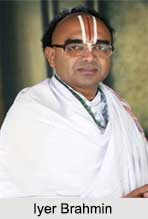
Maithil Community is a Hindu Brahmin community from the Mithila region that lies in northern and eastern Bihar of India. Maithil community is one of the five divisions or Panch Gaur of Brahmin caste in northern India. It is said that the Maithil Brahmins have at one time practised magic. The head of this sub-caste of Brahmins is known as the "Maharaja".
History of Maithil Community
The name "Mithila" goes back to Puranic times. It occurs in the Mahabharata and in Pali literature. According to the Puranic tradition, the name has been derived from that of Mithi (son of Nimi) King of Ayodhya and grandson of Manu who founded a kingdom which was called Mithila after him. It is associated with Valmiki, Ashtavakra, Yajnavalkya, Udayana, Mahavira, Kanada, Jaimini and Kapila as well as the women philosophers, such as, Gargi, Maitreyi, Bharati and Katyayani. After the era of the Ramayana, it is said that the three seats of culture in Vedic period - Kosala, Kasi and Videha - merged to form the Vajjian confederacy and the centre of political gravity shifted from Mithila to Vaisali.
The emperor of Magadh, Ajatashatru, annexed the states of the confederation the 5th century BC. After the Mauryas, a number of rulers captured Mithila. It was only 1500 years after the fall of the Vajjian confederacy that the glory of Mithila was restored in AD 1097 with the establishment of the kingdom of Karnatas by Nanyadeva, who came from the Deccan. After this the kingdom passed to the Tughlaqs and then ultimately to the Mughal Dynasty. It was Akbar who handed over Mithila to Maharaja Mahesa Thakkura, the founder of the Darbhanga Raj. This was a dominant force and represented the highest class of Brahmins. It produced three illustrious maharajas in the last century: Lakshmishvar Singh, Rameshvar Singh and Kameshvar Singh. Rameshvar Singh was a great Tantrik and a Sanskrit scholar as was his son, Kameshvar Singh. All of them promoted learning, culture and Sanskrit and English education. The region where Maithil Brahmin community belongs was greatly influenced by Buddhism too.
Divisions of Maithil Community
As per the Vedic texts, Maithil Brahmins are divided into the "Bachasnai" and the "Chhandog" and each group is firmly exogamous. Maithil Brahmins are also further classified by 4 main divisions namely the Mulgrams, the Strotiyas, the Yogs, the Panjis and the Jaiwars.
Traditional Practices of Maithil Community
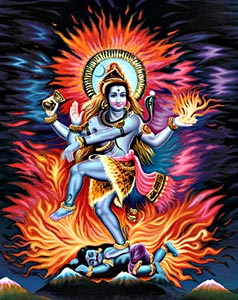
Maithil Brahmins are mostly the practitioners of "Shaktism" in a variety of forms. However some are Maithil Brahmins also "Shaivites" and "Vaishnavites". The marriage worshippers of Saurath were one of the unique features of Maithil Brahmins` matrimonial system. The organization of "panjikar" was established by Maharaja Harsimhadeva of Karnat dynasty at Saurath.
In course of time, genealogical records assumed gigantic proportions and it was decided to make genealogists accessible at villages across Mithilanchal to make easy the marriages. For hundreds of years thousands of Brahmins were used to gather at Saurath, sometimes in June-July to find appropriate match for their children. But the age-old tradition lost its significance with the passage of time.
Panji of Maithil Community
Maithil Brahmins are well-known to have followed the "panji prabhandha" (system of recorded genealogy) since 14th century. These records are preserved by "panjikars", who examined the validity and purity of marriage resolutions. Panjis or Panji Prabandh is widespread genealogical evidences maintained among Maithil Brahmins similar to the Hindu genealogy registers at Haridwar. They are used mainly when fixing marriages and delineate the last 14 generations of the bride and grooms family. The Panjis have a huge value in fixing the marriages, explaining the last 14 or so generations of the forthcoming bride and groom.
Maithil Brahmins are a part of prehistoric Vedic Brahmins. Maithil Brahmins are a group of highest-ranking castes amongst Brahmin, who still go after the rituals according to ancient Hindu canons. Maithil Brahmin is a community of highly organized and traditional Brahmins.