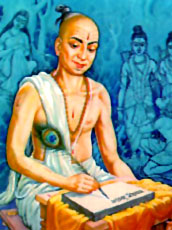
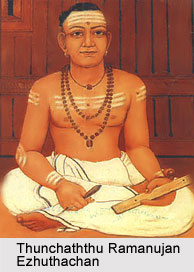
 Thunchaththu Ramanujan Ezhuthachan was a great Malayalam poet who contributed much to the Malayalam literature. He is considered the Father of the Malayalam language. His poems in Arya-ezhuttu, a Grantha-based script was widely read. He is regarded as the creator of modern Malayalam language. He also had a great influence on the acceptance of the Malayalam alphabet, and his extremely popular poetic works in Malayalam. He was a poet around 16th century.
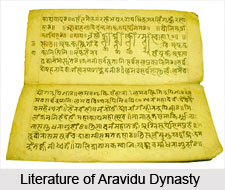
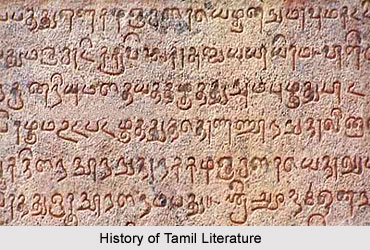
During his era, an old script named Vattezhuttu used to write in Tamil, and was mainly used in Kerala to write this language. However, Thunchaththu Ramanujan Ezhuthachan wrote his Malayalam poems in Arya-ezhuttu, a Grantha-based script originally used to write Sanskrit Literature, so that he could accurately transliterate Sanskrit words into Malayalam. His works became very well-known, which popularized the writing system adopted by him, and it is the current Malayalam alphabet.
Early Life of Thunchaththu Ramanujan Ezhuthachan
Ezhuthachan was born in the later half of the 16th century in Trikkantiyur, in town named Tirur, Malappuram district of the state of Kerala. He was also known as Ramanujan. According to some fictitious myth, it is said that his father belonged to a Namboodiri Brahmin and he belonged to a Tharavadu (joint family) family. The Ezhuthachan is a title, which is bequeathed upon a great male teacher or schoolmaster. The Ezhuthachan is also the name of a caste in old India.
Thunchaththu Ramanujan Ezhuthachan As Poet
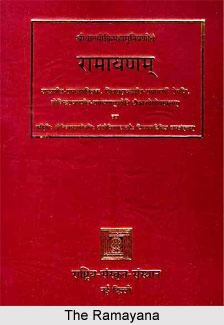
Thunchaththu Ezhuthachan composed numerous wonderful works. A particular type of poetic language and a special type of verse named `kilippattu` or `parrot song` were made famous by Ezhuthachan. This kilippattu style became popular as a literary composition only because of his genius style of writing. Ezhuthachan has two main great works in his credit. These are the Adhvatma Ramavanam and the Bharatam (Mahahharatam). Even today, these two works of Ezhuthachan are considered as the greatest classics in Malayalam. The Ramayana of Ezhuthachan considers Lord Rama as the God himself whereas, the original Valmiki Ramayana presented him as perfect man, the king of Ayodhya.
Ezhuthachan modified the Malayalam alphabet and wrote the Hari Nama Keerthanam to popularize the 51-letter alphabet in Thunjan Parambu. Thus the place became a holy spot for the South Indian people and till today many people from various parts of the state come to take sand from the Thunjan Parambu to use in the initiation of their children to the alphabet. During the Vijaya Dasami festival, every year hundreds of people come with their children to the Thunjan Parambu to make their children write their first letters here.
The `Adhyathmaramayanam` by Ezhuthachan was so popular in Kerala that during the dark times of war, disease and famine, every house there used to utter it. He has a huge contribution in teaching the common man to respect and worship the language and the alphabet. This high level of culture is difficult to find now in this modern era. His target was the ordinary people and he composed many works for them by including all good things with a strong sense of righteousness and worship.