The Vanaprastha stage of life starts at the age of 50 years and lasts till the age of 74. Vanaprastha literally means a person leading the life of a hermit after partly renouncing the worldly comforts. In the Vedic ashram system the Vanaprastha retreats from the material world and moves closer to his spiritual life. With children grown up and all his social duties performed he now will set on to explore ways of getting closer to god. At this point of his life all the knowledge that he had acquired from his past life will come into play.
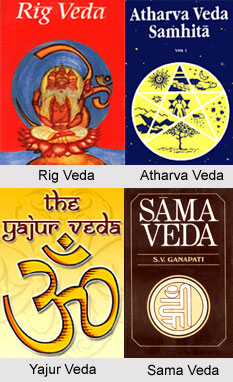
A stage in life comes when man is too tired of his duties and wants to retire from his tasks. He desires to lead a life of contemplation and meditation. His wife can accompany him at this phase of life and both may set out for pilgrimage. Vanaprastha, the penultimate stage, is a necessity in a man`s life as it gives him an opportunity to disengage himself from the monotonous lifestyle. The teachings of the Vedas, Upanishads and Shastras can be manifested at this stage of life. Now it is time for him to concentrate on God. He can pursue his spiritual knowledge by reading Vedas and overcome various sensual affections and desires.
Too much passion or greed at this age can lead to health hazards. Hence it is absolutely necessary to practice self-restraint once again at this phase of life. The notion of Vanaprastha has a rational base. It is probably one of the difficult stages of the Ashram life. It is near impossible to move away from a family that is one`s identity and to which one is emotionally attached. For mere humans it is quite difficult to free their souls from maya.