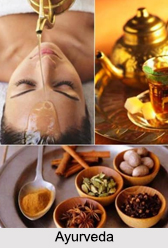
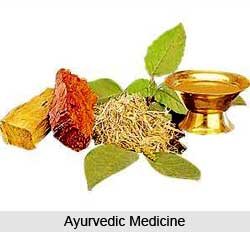
Ayurvedic Herbs are made out of roots, bark, fruits and plants, found in the deep dark woods of India where the herbs grow freely without pesticides and chemicals. These ayurvedic herb works with perfect harmony with the body and the mind. Ayurvedic medicine utilizes Ayurvedic herbs for the therapeutics like herbal tonics and herbal sweat baths. To deal with stress-related, metabolic, and chronic conditions these Ayurvedic herbs are administered often orally or even often inhaled depending on the need of the patient.
Classifications of Ayurvedic Herbs
Ayurvedic herbs can be classified into five types; according to origin, habitat, various actions, action on doshas and their use.
Classifications of herbs according to origin are based on the theory of Panchabhuta. The classification of ayurvedic herb as per habitat and life span divides the herbs into four main categories like:
•Sthalaj - Plant and trees that grow on land; e.g. Haritaki, Amalaki, etc,
•Jalaj - herbs that grow in water; e.g. Lotus,
•Vruksharuha - herbs that grow other tree but are not dependent on that tree for its food
•Vrukshadan (parasitic) - herbs that grow on another tree and also depend on that for its required food.
Ayurvedic herbs that are being classified according to the action on doshas are known as
•Shaman - herbs which associate the vitiated dosha without purifying the doshas or disturbing the equilibrium
•Kopan - herbs which vitiate the doshas in equilibrium and
•Swasthahita - herbs which have a tendency to increase or decrease vata doshas.
Depending on their usage also Ayurveda classifies the Ayurvedic Herbs into two main categories like:
•Aushadhi herb - herbs which are mainly used in preparing medicine
•Ahar Dravya herb - the herbs that are used in preparing Ayurvedic pathya.
Ayurvedic herbs are further categorized according to their herbal properties and functions and each herb is used to treat each specific disease or behaviour. It is only by studying the symptoms coupled with the constitution of the patient, the ayurvedic practitioners determines the prevalence of each of the physical manifestations of the doshas and selects herbs to correct the physical imbalances.
Various Types of Ayurvedic Herbs
While some Ayurvedic herbs are administered individually some other herbs are also used as traditional formulas. Some of the Ayurvedic Herbs widely used are as follows;
 Amalaki: Amalaki is a common Ayurvedic herb mainly used to maintain and rebuild tissues. Rich in Vitamin C, it reduces pitta without aggravating vata or kapha and is one of the three herbs used in Triphala, the primary Ayurvedic tonic for maintaining health.
Arjuna: Arjuna is traditionally given to support circulation and oxygenation of all tissues. It is also a famous cardiac tonic used in Ayurveda for a variety of heart conditions.
Ashoka: Ashoka is used in Ayurveda as a tonic for the uterus and is believed to maintain the proper function of the female generative system.
Ashwagandha: Ashwagandha has been traditionally used for general debility, sexual debility and nerve exhaustion.
Ginger: It is used for abdominal bloating, coughing, vomiting, diarrhoea and rheumatism. Ginger is commonly used in the Ayurvedic systems of medicine for the treatment of inflammatory joint diseases, such as arthritis and rheumatism.
Gotu Kola: Gotu kola has a historical reputation for boosting mental activity and for helping a variety of illnesses, such as high blood pressure, rheumatism, fever and nervous disorders. Some of its common applications in Ayurvedic medicine include heart disease, water retention, hoarseness, bronchitis and coughs in children, and as a poultice for many skin conditions.
Liquorice: Liquorice has a long and highly varied record of uses as an ayurvedic herb. Among its most consistent and important uses are as a demulcent in the digestive and urinary tracts, to help with coughs, soothe sore throats and as a flavouring.
Picrorhiza: The bitter rhizomes of picrorhiza have been used for thousands of years in India to treat people with indigestion. It is also used to treat people with constipation due to insufficient digestive secretion and for fever due to all manner of infections.
Tylophoras: Tylophoras is an ayurvedic herb that has been traditionally used as a folk remedy in certain regions of India for the treatment of bronchial asthma, bronchitis, rheumatism and dermatitis.
Alfalfa: Alfalfa herbal supplements primarily use the dried leaves of the plant. The heat-treated seeds of the plant have also been used.
Tulsi: Among all herbs, Tulsi occupies the most respected and important position. The Tulsi plant can be used for prevention as well as cure of illnesses. A Tulsi plant at the doorstep is said to keep the atmosphere of the house pure and clean, and keep illness away.
All the Ayurvedic medicines are made from natural Ayurvedic herbs of Indian origin, which are used as herbal medicines, herbal extracts, herbal cosmetics, nutrition foods and other alternative medicines and herbal remedies for natural healings.