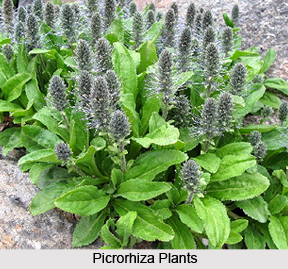
 Common names: Kutki, Katuka
Botanical name: Picrorhiza kurroa
Parts used and where grown
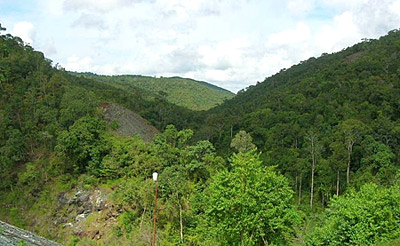
The herb originated in and continues to grow primarily in the Himalayan mountains. The rhizomes or underground stems of picrorhiza are used.
Historical or traditional use
The bitter rhizomes of picrorhiza have been used for thousands of years in India to treat people with indigestion. It is also used to treat people with constipation due to insufficient digestive secretion and for fever due to all manner of infections.
Active constituents
The major constituents in picrorhiza are the glycosides picroside, kutkoside, and rosin, and apocynin. They have been shown in animal studies to be antiallergic, to inhibit platelet-activating factor, and to decrease joint inflammation. According to test tube and animal studies, picrorhiza has antioxidant actions, particularly in the liver. Picroliv has been shown to have an immuno inspiring effect in hamsters, helping to prevent infections. Picrorhiza increases bile production in the liver, according to rat studies. It has also been shown to protect animals from damage by several potent liver toxins, offering protection as good as or better than silymarin (the flavonoids found in milk thistle). However, it does not have the amount of human research as silymarin.
Human studies on this plant are not prolific. A series of cases of acute viral hepatitis in India were reportedly treated successfully by a combination of picrorhiza with a variety of minerals. A number of similar reports have appeared in Indian literature over the years. No double blind clinical trials have yet been published, however. Two preliminary trials suggest that picrorhiza may improve breathing in asthma patients and reduce the severity of asthma. Although, a follow-up double-blind trial did not confirm these earlier trials. A preliminary trial conducted in India found a small benefit for people with arthritis (primarily rheumatoid arthritis).
Side Effects
Loose stools and indigestion have been reported when unprepared picrorhiza rhizomes are used as medicine. However, extracts in alcohol have shown much less tendency to cause such effects. No other adverse effects have been reported with picrorhiza. Although the use of the herb is not discouraged in India during pregnancy and breast-feeding, there is little information to determine the safety of the herb during these times. Certain medicines may interact with picrorhiza.