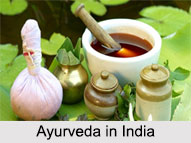
 Ayurveda in India is a much popular medical therapy, and this form of treatment has gained acceptance around the world as well. Ayurveda is referred as a holistic system of medicine and health native to ancient India. Ayurveda has not only restricted itself as the path which treats diseases, but also as being the science of life. It has covered all the aspects necessary to maintain health, and also to restore it while suffering from a disease. There are certain guidelines in Ayurveda which are to be followed to; remain fit, refrain from diseases and lead a healthy life.
Ayurveda is the traditional natural healing system in India. The concept of Ayurveda is not just medical treatment or diagnosis of a diseased condition but much more than that. Ayurveda is a set of practical, simple guidelines, for long life and good health. Theory of Ayurveda states that all diseases begins with an imbalance or stress in the consciousness of an individual. Lifestyle interventions are major ayurvedic prevention and healing approach.
History and Philosophy of Ayurveda
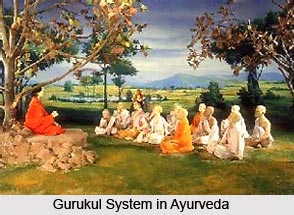
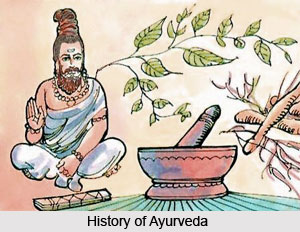
Ayurveda is an ancient system of life knowledge arising in India thousands of years ago. Ayurveda theory evolved from a deep understanding of creation by the great sages of ancient India through deep meditation and other spiritual practices. The Ayurvedic teachings were customarily passed on orally from teacher to student for over 1000 years.
The philosophy of Ayurveda teaches a series of conceptual systems characterized by balance and disorder, health and disease. Disease or health results from the interconnectedness between the self, personality, and everything that occurs in the mental, emotional, and spiritual being. To be healthy, harmony must exist between the purpose for healing, thoughts, feelings and physical action.
Practitioners of Ayurveda in India
In India, practitioners of Ayurveda receive state-recognized, institutionalized training similar to their physician counterparts for conventional Western biomedicine and homeopathic medicine. The research base is growing the physiological effects of meditative techniques and yoga postures in Indian medical literature.  Published studies have acknowledged reductions in cardiovascular disease, risk factors, including blood pressure, cholesterol and reaction to stress, in individuals who practice Ayurvedic methods.
Laboratory and clinical studies on Ayurvedic herbal preparations and other therapies have shown to have a range of potentially beneficial effects for preventing and treating certain cancers, treating infectious disease, promoting health and treating aging.
Treatments in Ayurveda
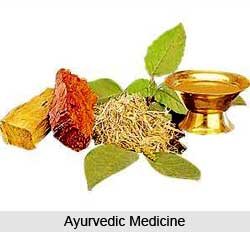
The emphasis of Ayurveda is to promote health in conjunction with nature rather than just treat disease. It is one of the few systems of medicine, which takes mental, emotional and spiritual well-being into account. Ayurvedic treatment offers five basic Ayurvedic Medications namely - Panch Karma, Herbal treatment, Yoga, Meditation and Rejuvenation Therapy. The Aromatherapy and Physiotherapy are also included in some treatments. They offer the purification of the mind, body and soul reviving an individual as a whole. The focus is on health and transformation of goals like de-stressing, detoxification and cleansing, deep relaxation, anti-aging, weight loss and inch loss. The busy and mechanical lifestyles of the people nowadays have increased the popularity of Ayurvedic treatment.
Ayurvedic Hospitals and Institutions in India
India is the greatest repository of a beneficial and alternative medical network; Ayurveda. There is a boom of clinics and hospitals all over India. Indus Valley Ayurvedic Centre (IVAC), an award winning Ayurveda spa and resort in Mysore, is aiming at the Universal Promotion of Better Health. Kerala is the epicentre of Ayurveda business. Kerala`s Ayurveda Tour in resorts like Spice Village with Vaidya expertise makes for an exotic experience.
Ayurveda is expanding its sway. It has almost reached every possible corners of the world with beauty therapies, refreshing massages, yogic exercises, meditation and aromatherapy.