 Crafts of Odisha represent the rich artistic heritage inherent in this eastern Indian state, which have been practised by the dexterous craftsmen of Odisha since ancient ages. The coastal state of Odisha has received royal patronage in the past, which is amongst the crucial factors which have marked this area as one of the leading states in manufacturing of various handicrafts. The rich tradition of Odishan crafts date back over a thousand years, while the striking feature of the crafts of Odisha is the rare combination of utility and beauty. Each craft is a masterpiece in itself. The crafts are a classic combination of modern refinements and the traditional threads which bear the checkered past.
Metal Crafts of Odisha
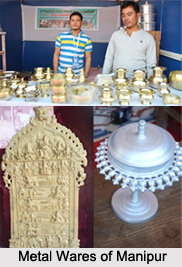
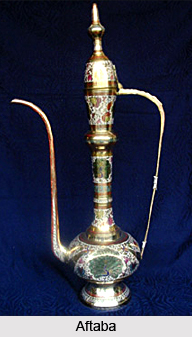
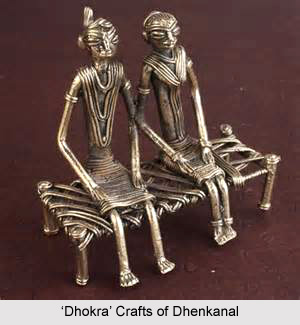
Metal crafts of Odisha has reached the zenith of perfection through some truly indigenous designs emerging from its craftsmen`s skills. Bell-metal and brass work are crafted throughout the state, with craftsmen churning out several religious and household utensils. Lampshades, lamp bells, ornate with ethnic designs are quite lovely. The traditional `dhokra` work is a typical tribal craft in bronze with its mesh-like features giving it a distinctive beauty. The tribal families in Sadeiberini, a village near Dhenkanal town produce this unusual craft familiar in items like boxes, Gods, Goddesses and lamps. Metal crafting in Odisha is best exemplified in the iron beams of the Konark Temple. In the countryside the metals are used to make an exquisite range of vessels in various shapes. The workers of the `Kansari` community are best at this craft. Brass metalwork of Odisha is extremely renowned.
Ikat Crafts of Odisha
`Ikat fabrics` are the gloriously woven, blurry edged, gem coloured design, in gorgeous yarns of silk has become synonymous with Odisha. In Odisha, the weaving is performed in single ikat where the warp is tied and dyed and then fixed on the loom. The single ikat designs are diffused and very attractive and generally come in floral design, birds, animals and designs. Other fabrics, which are woven, include, `Tussar` and cotton whose designs and textures have created a huge market not only India but abroad as well. This craft is promoted in various handloom expositions and emporiums throughout India.
 Applique Crafts of Odisha
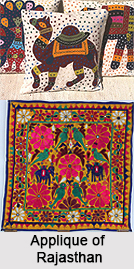
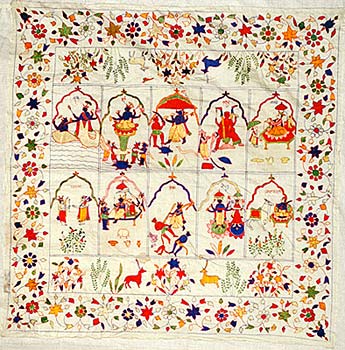
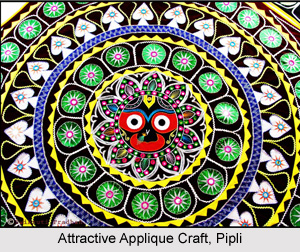
Applique in Odisha is an old temple art, which has been refined to perfection. Applique art is the process of cutting coloured cloth into shapes of animals, birds, flowers, leaves and other decorative motifs and then stitching them on to a piece of cloth that can ultimately be used as lamp shade, a hand bag or even a garden umbrella. Pipli village near Bhubaneshwar is popular for its appliqu‚ work. Colourful wall-hangings, heart-shaped fans, bags of different sizes adorned with motifs, large canopies and umbrellas are amongst the manifold applique crafts manufactured in Odisha.
Silver Filigree Crafts of Odisha
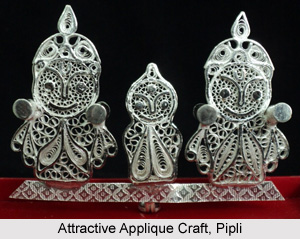
Odisha is also the hub of pure silver filigree work. In this craft, pure silver is put through a wire drawing machine and the thin wires are twisted and flattened. The thin wires are flattened as thin as original wire and then bent on to various shapes to form the required shape of the designs. It looks as if a lace is made in a metal and with this the craftsmen make silver filigree jewellery, `kumkum` boxes, spoons etc. The workmanship that is found on the silver jewellery and other works of silver has closely drawn its inspiration from Indonesia. Silver filigree from Cuttack region is of great prominence in the state and is employed to create utilitarian products of domestic use as well as decorative artefacts which include figurines of birds, animals, jewelleries like brooches and earrings and so on.
Wood Crafts of Odisha
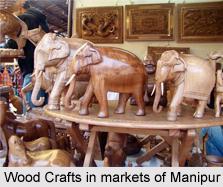
Odisha is also famous for its masks, which are carved out of wood, `shola pith` and other indigenous materials, which is used in `Sahi Jatra`. Some of these masks are made in papier mache. The form is taken out on a mould but the expression on the face is carefully painted in pleasing combinations of colours. These unique woodcrafts of Odisha are quite different from the wood carvings made in other Indian states as they bear a simple appearance and are beautified with a smooth polish, devoid of any extra coating of lacquer works. Woodcarvings are mostly done in Puri and the figures are annually carved and worshipped during the Rath Yatra festival and then they are destroyed. It is an ancient tradition in the state. Wood carvings are also made for utilitarian and decorative items.
 Patachitra Crafts of Odisha
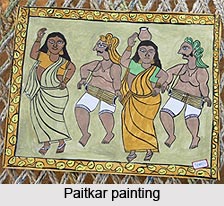
Patachitra is another exclusive craft of Odisha. Its history goes back to the 5th century A.D. and is done on cloth, which is prepared with a coating made from a mixture of chalk and gum. There are stories from the Indian epics of Mahabharata and Ramayana and also figures of Lord Jagannath, Balaram, Lord Krishna and many such images of Gods and Goddesses. All these are portrayed in flamboyant colours like dark green, lapis lazuli, parrot green, rose madder, bright oranges, yellows with a tinge of gold and silver. Patachitra is yet another popular craft of Odisha and are practised in Dandshahi and Raghurajpur villages which are located around the outskirts of Puri.
Horn Crafts of Odisha
Parlakhmundi and Cuttack in Odisha are famous for the horn work, created out of cow and buffalo horns to skilfully produced ash-trays, jewellery and figures of birds and animals. Excellent pottery is also produced in these places. Pen-stands, combs, flower vases and a large variety of products are produces in the state of Odisha which are in high demand throughout the nation.
Pottery Crafts of Odisha
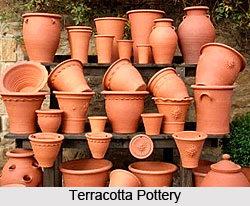
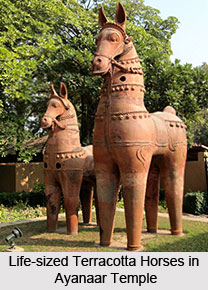
Numerous types of earthenware pots are crafted by the regional potters of Odisha which are utilized for many social and religious occasions, and they are available in different shapes and sizes. Geometrical patterns and motifs of flowers and fishes are crafted onto the surface of the various pottery-wares made in this part of the country. Terracotta idols of horses and elephants are created for utilization in some religious events which are offered to the `Grama Devati` or the village Goddesses, to appease the deity who is believed to ward off ailments and maladies from the villages. Terracotta toys made here are also very popular.
Cane and Glass Crafts of Odisha
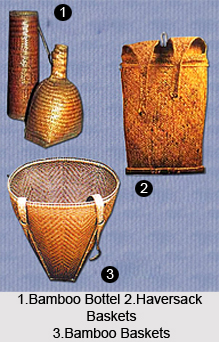
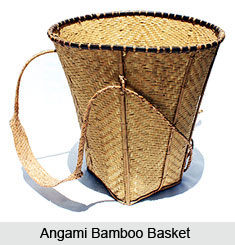
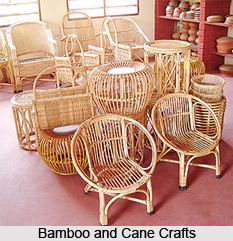
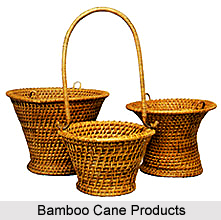
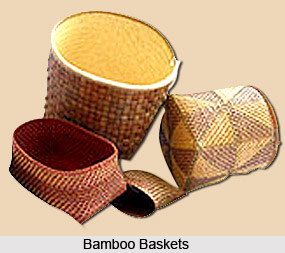
Golden grass is employed by the local craftsmen of Odisha to prepare beautiful items like tablemats, hand-fans, baskets, floor-mats and others. The durability and aesthetic beauty of Odisha are amongst the significant handicrafts manufactured here. Numerable items of furniture and baskets are woven from cane.
It can be concluded saying that Odisha`s market places are a veritable treasure trove for the visitor in terms of art and craft. Odisha`s religious heritage has played one of the most dynamic roles in fashioning the infinite variety of crafts available in the numerous stores lining in the city streets and the artist`s villages. Buddhism, Jainism, Shaivism and Vaishnavism have left their imprints on Odisha`s ancient art and crafts, as have its strong tribal traditions. Moreover its sea-faring has brought in influences from Indonesia and China upon its marvellous creations. Carving figures and icons in soapstone and granite are the specialty of the craftsmen of Puri. Different dance postures are carved which highlight the artistic dexterity, aesthetic sensibilities and decorative abilities of the craftsperson.