
Tevaram or Thevaram indicates the initial seven volumes of the Tirumurai, a twelve volume compilation of Shaivite devotional poetry in Tamil. All of the seven volumes are devoted to the literary works of the 3 most renowned Tamil poets who belonged to the 7th century, namely, Nanacampantar (Campantar), Tirunavukkaracar (Appar) and Cuntarar (Sundarar). In Tamil, Teva means God and Aram means garland. The Tevaram is still sung in many temples of Lord Shiva temples in Tamil Nadu which is still sustained as a hereditary practice. There are a total of almost 796 songs which contains more than 8,200 stanzas. The 3 Tamil poets engaged in depicting their individual devotion to Lord Shiva, as well as involved a community of devotees with their songs. Tevaram is one of the most significant sources of Tamil Bhakti movement, which inspired and motivated the agricultural community.
History of Tevaram
During the 10th Century AD, in the reign of Rajaraja Chola I, a compilation of such songs were abandoned and later found in the Chidambaram temple. These were found with other religious literary works that were assembled by Nambi Andar Nambi. Tamil Shaivism matured during the Chola period and Tevaram was canonized along with its corpus of texts on theology, rituals and philosophy. In the Tevaram, 276 temples are venerated through the verses that are known as Paadal Petra Sthalam. There are another 276 locations that contain temples of Lord Shiva which are unceremoniously stated in the poetry. These are categorized as Vaipu Sthalam. The traditional Sanksrit devotional texts were dislocated in treatment by Nalayira Divya Prabandam for Vaishanvism and Tevaram for Shaivism. The custom of singing Tevaram poetry in temples by qualified people, known as Odhuvars, is continued in most of the prominent temples of Lord Shiva in Tamil Nadu. This traditional ritual is still followed in the present age.
Evolution of Tevaram
There are 3 phases in the evolution of Tevaram, the initial phase is the mark of Lord Shiva as the ultimate deity during 7th century - 9th century; the second phase involved Chola kings commencing the collection of all the hymns and establishing the images of the 3 Tamil saint poets during 10th century to 11th century; and the final phase has been identified with the restructuring made by the pontiffs of the mathas (monasteries), who included the hymns into Shaiva Siddantha canon during the 13th century. The influence of the hymns was recognized with the Shaivities who identified the Tevaram as Tamil Marai which means Tamil Veda. Although there are many influences of century in Tevaram, the stringent conventions were usually not adopted. The verses in Tevaram were oriented to folk conventions, which was conveniently available to the public.
Composition of Tevaram
The songs and verse in Tevaram, known as Pathikam, are considered to be composed in sets of ten. The hymns were constructed to music represented by Panns and were included as an element of the canon of Tamil music. Even at present they continue to be part of the customary public worship in temples. Many verses use references of historical events that point to the lives of the saint poets, using internal language of the sage and the voices of devotees` personality. Of the three saint poets who composed the Tevaram, the poetry of Campantar depicts thematic and structural individuality of the bhakti poetry. Moreover, his life is better understood through his verses. The poems of Tirunavukkaracar portray the internal, psychological and emotional condition of the saint poet saint. The metaphors executed in his verses contain profound agrarian influence which is believed to be one of the remarkable chords for normal people to get familiar with the poetry. The hymns of Cuntarar were coated with a touch of humour, which was uncommon in religious literary works.
The propensity to integrate names of places that identified by the people in the language of the poetry is another trait of Tevaram. The poems also exalt and elevate the accomplishments of Lord Shiva in a certain location. Paadal Petra Sthalams refer to almost 275 temples that are venerated in the poems of Tevaram which are among the greatest temples of Lord Shiva in the continent.
The 11th Century Tamil literary work on the Nayanars, known as Periya Puranam which forms the final volume of the Tirumurai, contained several references to Tevaram. These were later extended to 12 parts. Tirumurai Kanda Puranam is one more collection for Tirumurai as a whole, but mainly concentrates on Tevaram.
Traditions related to Tevaram
The conversion of Vedic ritual to Agamic Puja conducted in various temples of Lord Shiva was mainly influenced by Tevaram. Odhuvars, Kattalaiyars or Sthanikars presented musical programmes in temples of Shiva in Tamil Nadu, by singing Tevaram after the rituals that were conducted regularly. The musical programmes were normally held as chorus programmes after the holy offering. The singing of Tevaram was pursued by musicals from the music pillars in various temples such as in Nellaiappar Temple, Madurai Meenakshi Amman Temple and Suchindram. The singers of the hymns were identified as Tirupadiyam Vinnapam seyvar or Pidarar.
Tevaram
Tevaram refers to the first seven volumes of the Tirumurai, a twelve volume compilation of Shaivite devotional poetry in Tamil. It was composed by Nanacampantar, Tirunavukkaracar and Cuntarar.
Recently updated articles in Indian Literature
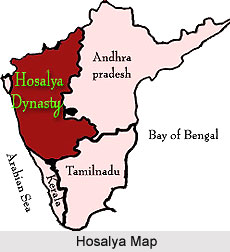
Gadyakarnamrita
Gadyakarnamrita is a 13th-century Sanskrit literary work written mainly in prose. It describes the ninety-day battle at Srirangam between the Hoysala...
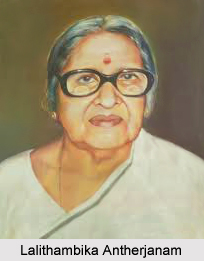
Women Writers in Malayalam Literature
Women writers in Malayalam literature have worked incessantly to make a place for their literary works. In the earlier periods, they were completely o...
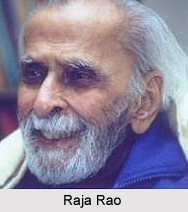
Comrade Kirillov, Novel by Raja Rao
Comrade Kirillov, a distinctive creation of Raja Rao, is presented as a brief yet incisive novelette that offers an ironic portrayal of the self-contr...
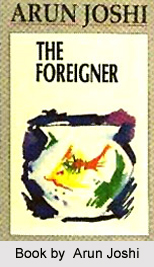
The Foreigner, Novel by Arun Joshi
“The Foreigner” is a book authored by Arun Joshi and published by Vision. It is an illustrious creation in the entire career of Arun Joshi, the famous...
Short Story in Telugu Literature
Short Story in twentieth century Telugu Literature was extremely popular and growing in and developing in a major way. Their popularity was greatly fa...
Related articles in Indian Literature
Mythological Themes in Indian Literature
Mythological themes in Indian literature have been integral to every ancient and contemporary writer and their path to f
Literature During Gupta Age
It is during the Gupta Age literature in the form of poetry, epos and drama gained a colossal importance.
Literature of Aravidu Dynasty
Sanskrit and Telugu were the popular literary medium of communication during Aravidu dynasty.
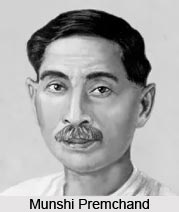
Munshi Premchand
Munshi Premchand was a legendary Indian writer notable for his modern Hindustani literature. A writer of a very high caliber, Premchand`s writings hav...
Sanskrit Poets
The names of some of the Sanskrit Poets are Bharavi, Devarshi Ramanath Shastri, Jayadeva and Srinivas Rath.