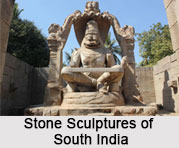
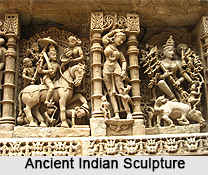
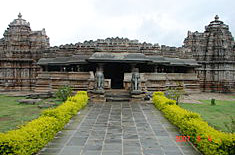
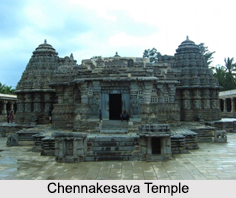
 Types of South Indian Sculptures began to evolve in the early era and the early medieval era, from the time of Chalukyas, Pandya Dynasty, Chola Dynasty, and Pallava Dynasty, the art and architecture of South Indian temples and the archaeological sites of South India. Some of the popular archaeological areas and the places of historical importance are Archaeological Museum in Hampi, Arikamedu, Badami, Belur, Edakkal caves, Elephant Stables in Hampi, Halebidu, Hassan District, Kavala Caves, Mahabalipuram, Queen"s bath in Hampi, Ranganathaswamy temple, Talakad, Tulapurushandana, Vitala Temples and Warangal.
Concentration of South Indian Sculpture
The south Indian temple sculpture comprises of the sculptures of temples of Andhra Pradesh, Karnataka, Kerala and Tamil Nadu. These states have been ruled by various dynasties which include Pallavas, Chalukyas, Viajayanagar Empire, Kakatiyas, Cholas, Rashtrakutas and Gangas.
Advancement of South Indian Sculpture in India
The south Indian sculpture in different temples and archaeological sites received an added boost under the reign of the Cholas and Chalukyas. While the Vijayanagara Empire immortalised their art and sculpture on stone in Hampi, kingdoms of Chalukyas and Cholas are renowned for their massive temples, which are now in the hands of Archaeological Survey of India. These beautiful erections even today spell out the grandeur and splendour that once accompanied them.
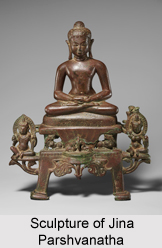 Style of South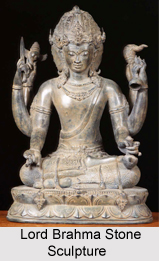
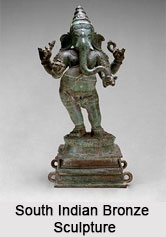
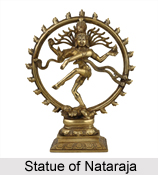 Both stone and bronze sculptures portray these images. Buddha sculptures are mostly found in