
Sangitanataka is a specific genre of Malayalam theatre. This is also the first for which original scripts began to be written in Malayalam. But in this case it should be mentioned that it started after Kathakali. Earlier drama, which mostly was translations of Sanskrit texts, generally meant for reading. Sangitanataka was composed specifically for staging, inspired by the success of similar Tamil Sangita Natakam, presented throughout Kerala by commercial troupes coming from the east. Music was its most essential component. Leading actors were expected to sing classical music on specified occasions in the course of performance. Their main qualification was their ability to sing. The necessary accompanists sat on stage. Even though such passages meant a serious deviation from the theme and structure of the play, they happened to be the most popular aspects of Sangitanataka. Apart from music, introduction of jesters at regular intervals and incorporation of irrelevant humorous interludes solely for entertainment became common features. The acting involved exaggerated expression of emotions.
The first Sangitanataka can be mentioned as T. C. Achyuta Menon`s Sangita Naishadham i.e. "Musical on Naishadha" in 1892. This was depicted the myth of Nala and Damayanti. It was followed by K. C. Kesava PilLal`s Sadarama in 1903. This dealt with the story of a Tamil drama bearing the same name. Both proved extremely successful, resulting in shows at a large number of places. Their popularity prompted other poets and artists to write and produce similar plays. Thus the first theatre movement started in Kerala led by professional troupes organized on commercial lines. In the initial period, Sanskrit drama was adapted and even poetical works were reconstructed to suit the requirements of this form. Later, plays with social themes also were written and presented as Sangitanataka. But in course of time, the formula-based structure became a subject of severe criticism and, gradually, Sangitanataka disappeared from the scene. Yet the songs and humorous episodes had become so popular that those practices came to stay in the professional Malayalam theatre.
This article is a stub. You can enrich by adding more information to it. Send your Write Up to content@indianetzone.com
Sangitanataka
Sangitanataka is a popular genre of Malayalam theatre. This also happens to be the first for which original scripts began to be written in Malayalam
Recently updated articles in Indian Drama & Theatre
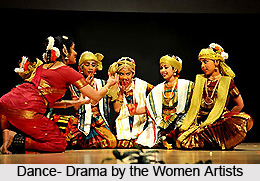
Amateur Theatre
Development of Amateur Theatre has been responsible for useful innovations in theatre culture of Karnataka.
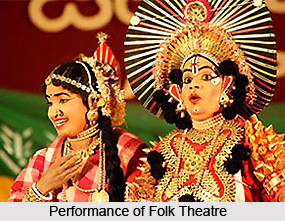
Surendranath Ghosh
Surendranath Ghosh or Dani Babu was a Bengali thespian active during the mid-20th century. He was mostly known for his contributions to Bengal’s moder...
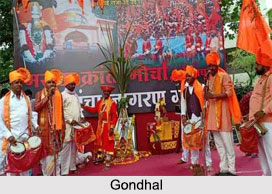
Gondhal Dance
Gondhal is a religious folk dance of Maharashtra. It is performed on special days like when there is a newborn in a family or marriage. Dedicated to g...

Pravritti in Natyashastra
Pravritti in Natyashastra refers to specific human behaviour varying from region to region. There are four types of Pravritti namely, dakshinatya, ava...
Padma Bhushan Awardees (2010-2019)
Padma Bhushan Awardees (2010-2019)
Related articles in Indian Drama & Theatre
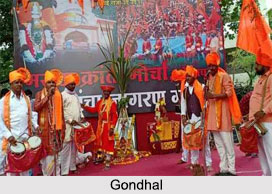
Gondhal Dance
Gondhal is a religious folk dance of Maharashtra. It is performed on special days like when there is a newborn in a family or marriage. Dedicated to g...
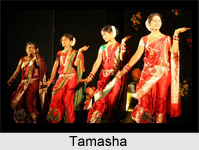
Tamasha Folk Dance
Tamasha is a folk art, which includes the love songs, which are traditional lavanis and dance along with the music.
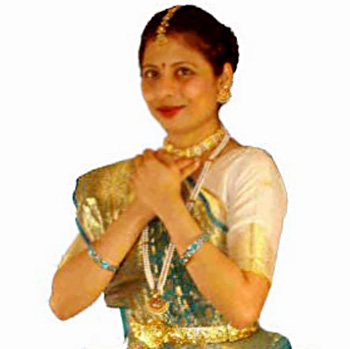
Sringara Rasa
Sringara Rasa is mentioned in Natyashastra as one of the important rasas. The Sthayi bhava in Sringara rasa is Rati or love.
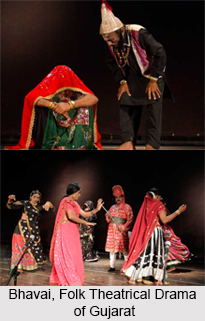
Bhavai - Folk Theatre of Gujarat
Bhavai is a popular folk theatre form of Gujarat that belongs to the tradition of theatre of entertainment.
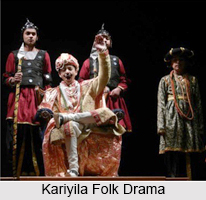
Kariyila Folk Dance
Kariyila is one of the most appealing and popular folk drama forms of Himachal Pradesh, portraying social satire with the accompaniment of folk dance...