Sanghol in Punjab

Sanghol, situated in Punjab, is an important archaeological site. It also houses the famous Sanghol Museum with numerous ancient artefacts.

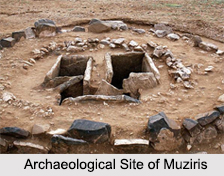
Sanghol, also known as Uchha Pind Sanghol, is situated Fatehgarh Sahib District, Punjab, atop a mound. It is a small village having immense archaeological significance. Ancient artefacts such as seals and coins belonging to Mihirakula and Toramana of Central Asia have been excavated in this region. In the year 1968, excavations have furnished a Buddhist Stupa and in the year 1985 other artefacts were discovered such as figures and figurines, 117 stone slabs with exquisite carvings, 35 crossbars and 69 pillars, by the archaeologists from the Directorate of Archaeology, Punjab. The sculptures have been identified as Kushana sculptures of 1st and 2nd centuries A.D., belonging to Mathura school. Sanghol Museum houses these treasured specimens of the ancient past and many of them are also displayed in other museums during special exhibitions.

Sanghol, Punjab Sanghol Museum
Sanghol has gained substantial fame primarily due to the Sanghol Museum, situated in the village, which hosts a number of antiquities that narrate the civilization and culture of ancient India. Relics of Harappan civilization (from 1720-1300 BC) up to the period of 6th century AD have been displayed in the museum. Excavations in Sanghol have rendered about 15000 artefacts, most of which serve as the exhibits of Sanghol Museum.

Archaeology in Sanghol
Archaeological excavations in Sanghol had been initiated ages ago since 1830, when Punjab was undivided and was under the rule of Maharaja Ranjit Singh. The excavations continued through ages leading to a huge collection of antiquities. Research agendas however had undergone changes owing to the changing landscapes which occurred due to canal diggings during early 20th century and extensive agricultural occupations after independence. Among all the archaeological researches, however, the prime focus remained the exploration of the history of Punjab.

Sanghol is also associated with myths and legends. Various mythical stories narrate the destruction of the village in the past. The village is in fact situated at a high attitude, over a mound, which makes it fairly visible form the towns surrounding it. `Roop Basant ka Kissa` is also associated with the village. According to some of the inhabitants of the surrounding towns, the ancient name of the village was Sangla-deep. Apart from the museum, other attractions of the village are a Monastery Complex and a Buddhist Stupa, dating back to 1st and 2nd century AD. The place has been well maintained by the Archaeological Survey of India and is also emerging as a tourist spot. A visit to Sanghol can be greatly cherished if one wants to explore the ancient civilization of India.
Recently updated articles in States of India

History of Thissur District
History of Thissur District Thumbnail

History of Thissur District

Early History of Thissur District explains flourishing of the port cities. Now these port cities are transformed into archaeological sites.

Tippi Orchid Research Centre, Arunachal Pradesh
Tippi Orchid Research Centre, Arunachal Pradesh Thumbnail

Tippi Orchid Research Centre, Arunachal Pradesh

Tippi Orchid Research Centre in Arunachal Pradesh is renowned for its rich collection of exotic and endangered orchids. Surrounded by lush rainforest...

Tourism in Nashik District
Tourism in Nashik District Thumbnail

Tourism in Nashik District

Pilgrimage tourism in Nashik district involves visiting the various places of Hindu and Jain worship located here. Some of the holiest sites for Hind...

Mangadu, Kerala
Mangadu, Kerala Thumbnail

Mangadu, Kerala

Mangadu in Kerala’s Kollam district is a significant megalithic site known for its urn burials, cist burials, menhirs, and stone circles. Excavations...

Devaswom
Devaswom Thumbnail

Devaswom

History of Devaswom is not very ancient and can be dated back to late seventeenth century.