 The eighteenth yoga sutra describes about the three basic qualities of nature and how it aids a human by bestowing with the enjoyments of the world. It has existed since time immemorial. All these attributes of nature is further manifested in the five elements of nature- earth, water, fire, air and ether. These are all bounded within constraints, which can also additionally assist that very person to attain emancipation from the materialistic senses.
prakasabrightness, brilliance, clearness, splendour, elucidation, lustre
kriya action, study, investigation
sthiti steadiness, firmness, steadfastness, being
silam disposition, virtue, character, piety
bhiuam elements
indriya the eleven senses: mind, five senses of perception, five organs of action
atmakam the nature or essence of a thing, being composed of
bhoga enjoyment of pleasures
apavarga emancipation, liberation
artham means, purpose
drsyam knowable, seen
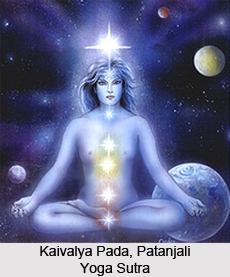
Nature, its three qualities - sattva, rajas and tamas, and its evolutes, the elements, mind, senses of perception and organs of action, exist eternally to serve the seer, for enjoyment or emancipation.
The visible objective world consists of elements of nature and senses of perception comprising three qualities or attributes (gunas), which are illumination, motion or action, and inertia or dormancy. All these exist perpetually to serve the seer (the subject) for the purpose of experiencing the pleasures and infatuations (objects) of the world, or for emancipation.
This sutra delineates the characteristics, actions and uses of nature (prakrti). The three attributes of nature are sattva, rajas and tamas. When one blends with another, it is subdivided into sattva in sattva (sattvo-sattva), sattva in rajas (sattva-rajas) and sattva in tamas (sattva-tamas). Similarly, rajas is divided into rajo-sattva, rajo-rajas and rajo-tamas and tamas into tamo-sattva, tamo-rajas and tatno-tamas. According to Patanjali, sattva, rajas and tamas represent prakasa, kriya and sthiti. These attributes have their own virtues, for instance, prakasa or brilliance or splendour is sattva; kriya or study, investigation and action is rajas; and the essence of the being resting as sthiti or dormancy is tamas.
All these attributes and virtues are established in the elements of nature, senses, mind, intelligence and ego. Together they function tunefully in the form of illumination, action and inertia, allowing the seer to enjoy the world`s pleasures (bhoga); or by divesting himself of them, to experience liberation.
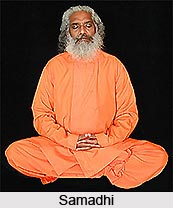
The seer is enclothed with five sheaths (kosas), by the elements of nature - earth, water, fire, air and ether. Earth represents the anatomical, water the physiological, fire the mental, air the intellectual and ether the spiritual sheaths. The organs of action and senses of perception assist the sadhaka in cleansing the anatomical and physiological sheaths through yama and niyama. Asana, pranayama and pratyahara divests the seer of the mental sheath; dharana and dhyana cleanse the intellectual sheath. Samadhi brings the seer out through the shackles of all the sheaths to experience freedom and beatitude.