
The expression Paura Janapada in ancient India had been used in plural form but the two are different assemblies. According to some Paura Janapada often indicates the inhabitants of towns and villages that comprised a kingdom. However when this term is used in the neuter singular as Paura-Janapada it refers to a constitutional body consists of the representatives of the capital and the country. The prestige of this body was high that the state would often refuse to grant any relief to a person who was working against its interest. This term has also been referred in the epic Ramayana too.
Ramayana uses the term paura janapada in the plural and it denotes the citizens and not any constitutional or representative body. The paura janapada as referred by Bharata are the ordinary citizens who accompanied him to see whether Rama could be persuaded to return to Ayodhya. From this epic it is clearly evident that paura janapada wielded no effective powers. It could neither refuse Dasaratha`s plan to banish Rama nor induce the Lord Rama to return home as they desired. Paura Janapadas are prominent by their absence.
The Hathigumpha inscription states that the king conferred many favours amounting to hundreds and thousands on the Paura and Jana-pada. From here it is clear that numerous favours conferred upon country have been referred. Its monetary value amounted to hundred and thousands of rupees. The Janapada-dharmas referred in the Smritis prove the existence of a Janapada as a central law-making parliament. The janapadadharmas referred by Manu are the customs of the country. It is not the enactments of its legislature. Janapadadharmas are identical with desa dharma.
While deciding court cases Manu and other Smriti-writers point out that desadharmas or janpadadharmas should be taken into consideration by the court. They were mere customs and not any laws passed by the legislature like a Janapada body.
Mauryan state was influenced by the conduct and mode of assemblies of the Paura and Janapada. This is evident from Arthashastra. In Arthashastra the term refers to the area covered by villages and towns of the whole kingdom. Mrichakatika mentions that the Janapada hall was located in the capital. News of deposition of the King and appointing his brother to the throne were brought by a messenger to the assembly hall of the institution of Janapada.
In Pataliputra there were two assemblies in the capital: the Paura and Janapada. This city had a paura association. Paura paid attention to the industrial and commercial concerns of the capital. They also looked after the interest of the foreigners who resided in the city. They also looked after the sanitation and legal matters. These assemblies have been referred in connection with taxes therefore it can be assumed that they had some say as far as taxation was concerned.
Janapada assembly has also been referred in the inscriptions of Ashoka too. The officers had to behave in such a manner so that the Janapada does not get offended. These two bodies jointly carried out certain activities and that is how they have been mentioned together. It is evident from the inscriptions that the king`s second day is dedicated to attending the Paura Janapada. They also enjoyed certain executive powers. Thus the existence of this institution cannot be denied.
Paura Janapada Assembly in Ancient India
Paura Janapada has been interpreted differently everywhere. It refers to a constitutional body that consists of representatives of the capital and the country.
Recently updated articles in Indian Administration

Functions of Ministry of Home Affairs
The Ministry of Home Affairs oversees internal security, law and order, and border management in India. It coordinates with states, administers Union...
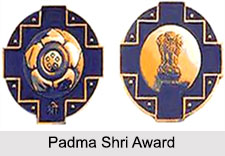
Padma Shri Awards
Padma Shri Award is a civilian award given in India to people who have made outstanding achievements in their respective fields. Some of these awardee...
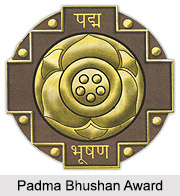
Padma Bhushan Award
Padma Bhushan Award has been given to eminent personalities in India for their remarkable achievements in their respective fields of expertise. Some o...
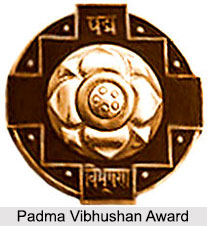
Padma Vibhushan Award
Padma Vibhushan Award is a civilian award, presented to people for excellence in their respective fields. This award was established on 2nd of January...
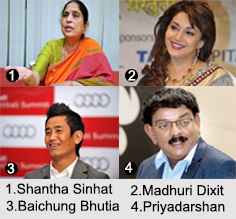
Padma Shri Awardees (2020-2029)
Padma Shri Awardees are people who have received Padma Shri, the fourth highest civilian award in India.
Related articles in Indian Administration

Administration of Chera Dynasty
Administration of Chera Dynasty bears some mentioning in the epic Shilappadikaram. There were four divisions of the total Chera kingdom.
Nayaka Administration
Nayaka Administration was one of the major consolidating factors of the Vijaynagar kingdom in the 16th century. The Nayakas ruled as feudal landlords...
Village Administration in Ancient India
Village has been the pivot of administration in ancient India. As the states were small it enhanced the importance of the village.
Land System in Ancient India
Private Ownership of land was not uncommon in ancient India. As per the system King was considered as the owner of the land.
Samiti in Ancient India
Samiti was an assembly in ancient India that assisted the King. It is equivalent to modern Lower house or Lok Sabha.