
Administration of Chera Dynasty has some reference in the Shilappadikaram to the `king`s council` and the other `five assemblies`. The council of the Chera king comprises of the inner group of the honourable elders and the most powerful noblemen, rajas of the districts like the `ruler of Alumbil`, who on one instance delivers a speech which is filled with some of the best advises; the council was not simply the highest advisory body, but also the final judicial tribunal which used to help the Chera king when he holds his daily durbar in order to hear the petitions and deliver judgments.
The function of the five assemblies during the ancient Chera kingdom is not very well mentioned, but it is probable that they were territorially organized. Four divisions were there of the Chera kingdom proper, the northernmost starting from the neighbourhood of Cannanore and the southernmost is close to Trivandrum. Trivandrum was itself a part of the realm of the mystic Ay kings who governed up to the tenth century A.D. in the region which was later called South Travancore, between Trivandrum and Cape Comorin, with the capital city located at Vijinjam, once a booming port but today a dismayed fishing village. During the Sangam Age, the Ay kings, later independent, seem to have been tributary to the Cheras, so that there would in practice be five divisions to the empire, and five assemblies, who were most probably elected by the Nair warriors, since they are mentioned in connection with the army. A part from these collective bodies which influenced royal policy and rendered legal judgments, the ancient Chera state had an elaborate executive structure.
The chief minister in the Chera dynasty appears to have functioned in the same comprehensive way as the powerful dewans who until twenty years ago administered the states of Travancore and Cochin on behalf of the native princes. The chief priest, who probably served the Nair war goddess, and the chief astrologer both wielded great influence in the determination of policy and also to Arabia, and thence they were transported either up the Red Sea to Alexandria or along the Euphrates valley into Mesopotamia. Teak from Kerala was found in buildings erected during the Babylonian era, round about 600 B.C., at Ur of the Chaldees, and this is much more solid evidence of early trade between the Malabar Coast and the Middle East than the unsupported theories of Phoenician penetration. In the early period the Malayalis themselves took an active part in the foreign trade, and many of the merchants whom the Alexandrian shipmasters encountered in Arabian ports during Ptolemaic times were Indian.
Administration of Chera Dynasty
Administration of Chera Dynasty bears some mentioning in the epic Shilappadikaram. There were four divisions of the total Chera kingdom.
Recently updated articles in States of India
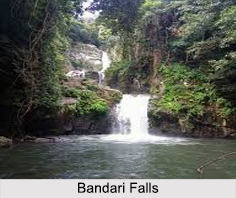
Bandare Waterfalls, Meghalaya
Bandare Waterfalls in South Garo Hills, Meghalaya, is a secluded natural attraction surrounded by dense subtropical forests and rugged mountain terrai...
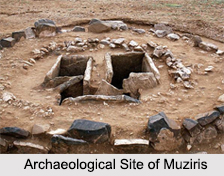
History of Thissur District
Early History of Thissur District explains flourishing of the port cities. Now these port cities are transformed into archaeological sites.
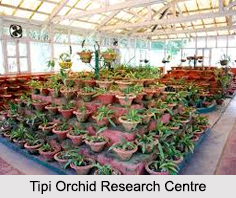
Tippi Orchid Research Centre, Arunachal Pradesh
Tippi Orchid Research Centre in Arunachal Pradesh is renowned for its rich collection of exotic and endangered orchids. Surrounded by lush rainforest...
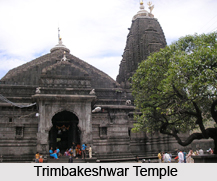
Tourism in Nashik District
Pilgrimage tourism in Nashik district involves visiting the various places of Hindu and Jain worship located here. Some of the holiest sites for Hind...
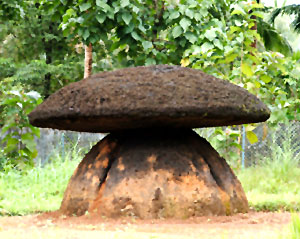
Mangadu, Kerala
Mangadu in Kerala’s Kollam district is a significant megalithic site known for its urn burials, cist burials, menhirs, and stone circles. Excavations...
Related articles in States of India
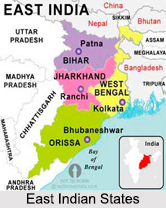
East Indian States
East Indian States comprises of Bihar, Jharkhand, West Bengal, Odisha and also the Union Territory of Andaman and Nicobar Islands. It defines the cult...
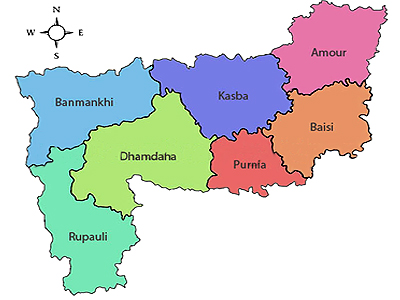
Purnia District in Bihar
Purnia District is located in Bihar and extends from River Ganga to Nepal. The district has a rich Hindu history and glorious past.
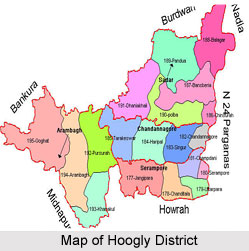
Hooghly district
Hooghly District along the bank of the river Hooghly is one of the principal trading ports of West Bengal.
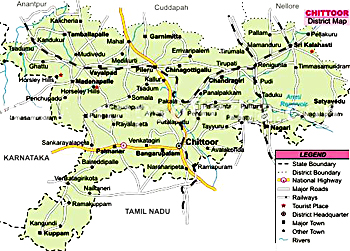
Geography Of Chittoor District
Geography of Chittoor district is spread along the topography of the land which is divided into two natural divisions; Chittoor has a dry and healthy...
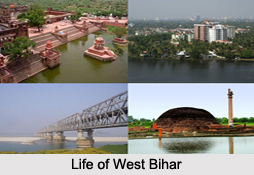
Districts of West Bihar
Districts of West Bihar is comprised of medieval monuments that were built by the different governors of Mughal era.