
In the Modern Period there is portrayal of nature as an object begins with Chandrasinha`s poem on the tiny clouds, Vadali, already mentioned. Another of his poems Lu (in 104 is on the fierce hot winds that blow during summer in Rajasthan. This poem is even more important in the tradition of nature poetry. In these poems the rain and the summer have been respectively depicted in a subtle, picturesque and natural way. The expression is powerful and effective. In Vadali the pleasurable enthusiasm generated by rains has been presented. In Lu, after describing the terror of the hot wind, the torment and plight of living beings caused by it, the climatic condition has been held out as bestower of life to the clouds. Selective diction and minute observation of nature are the characteristics of these poems. Chandrasinha`s contribution in this field is unique.
Nanuram Sanskarta`s poems, "Kalayan", "Das Dev" and "Prakrti Saikado" on nature, included in his "Chappay Satsai" are significant. "Kalayan" does no confine itself to describing the rainy season only but extends to description of summer, winter and spring in natural sequence, including the life of the people in general. In "Das Dev", the significance of the ten village gods has been brought out in a simple manner. Of the ten gods five, viz., Nim, Khejda, Phog, Jhadkho and Jal are trees and the remaining five, viz., Kuvo, Jodo, Dhora, Khandedo and Khan are aspects of Earth in different situations. In "Prakrti Saikado" objects of nature along with human feelings and activities have been depicted in chap-pay metre.
The nature poems contain a composite picture of nature and human life. Attribution of human thoughts and feelings to nature is also discernible in the poems. Such a tendency is prominent in the poem Sanjh.
In the poems Nature has been chosen as a medium for philosophical speculation, presentation of ideologies, and solution of human problems. In some of the poems Nature has been viewed with mystic curiosity, as in the poems of Manohar Sarma.
Sometimes, in depicting an object of nature a universal truth is hinted only at the end, or a thought or experience is projected in allegorical description of nature throughout.
The poems are not merely ideological, but have grown out of his experiences and a deep insight into human existence. The poems reflect his faith in Indian cultural values and seek to awaken critical thinking. Objects of nature have been chosen as symbols in expressing progressive ideology.
Hence it can be inferred that the nature poems which were mostly composed in the modern era were on rains, clouds, and rainy season, and Sawan- subjects naturally dear to the desert dwellers. Next come Phagun and spring. Other subjects include Candani, Amfiwas, Panaghat, Prabhat, Khejada, Jal, and the river Chambal.
Nature Poetry
Nature Poetry reflects the various aspects of nature and especially describes such aspects of the nature which are close to a desert.
Recently updated articles in Indian Literature
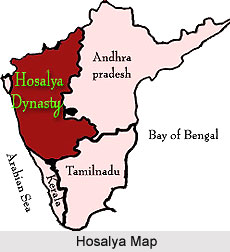
Gadyakarnamrita
Gadyakarnamrita is a 13th-century Sanskrit literary work written mainly in prose. It describes the ninety-day battle at Srirangam between the Hoysala...
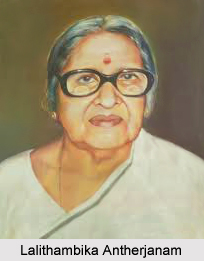
Women Writers in Malayalam Literature
Women writers in Malayalam literature have worked incessantly to make a place for their literary works. In the earlier periods, they were completely o...
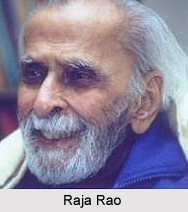
Comrade Kirillov, Novel by Raja Rao
Comrade Kirillov, a distinctive creation of Raja Rao, is presented as a brief yet incisive novelette that offers an ironic portrayal of the self-contr...
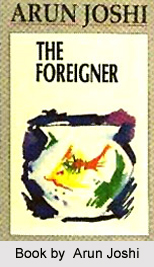
The Foreigner, Novel by Arun Joshi
“The Foreigner” is a book authored by Arun Joshi and published by Vision. It is an illustrious creation in the entire career of Arun Joshi, the famous...
Short Story in Telugu Literature
Short Story in twentieth century Telugu Literature was extremely popular and growing in and developing in a major way. Their popularity was greatly fa...
Related articles in Indian Literature
Mythological Themes in Indian Literature
Mythological themes in Indian literature have been integral to every ancient and contemporary writer and their path to f
Literature During Gupta Age
It is during the Gupta Age literature in the form of poetry, epos and drama gained a colossal importance.
Literature of Aravidu Dynasty
Sanskrit and Telugu were the popular literary medium of communication during Aravidu dynasty.
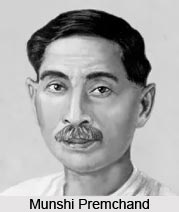
Munshi Premchand
Munshi Premchand was a legendary Indian writer notable for his modern Hindustani literature. A writer of a very high caliber, Premchand`s writings hav...
Sanskrit Poets
The names of some of the Sanskrit Poets are Bharavi, Devarshi Ramanath Shastri, Jayadeva and Srinivas Rath.