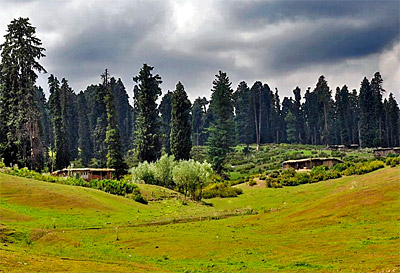
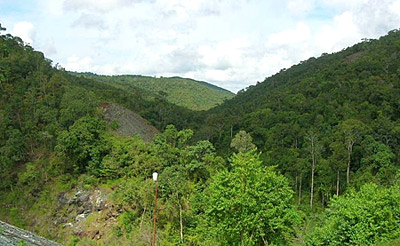
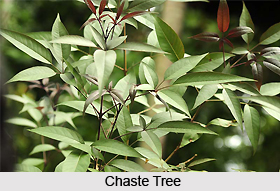
 Nasinda is scientifically known as Vitex Negundo. It also has many common names attached to it in India. In Bengali, it is known as nirgundi, nishinda, samalu while in English it is called chaste tree. In Gujrati, it is called nagaol and in Hindi, it is known nagaol or nirgandi. In other languages, such as in Malayalam, it is known as indrani and in Oriya, it is known as began. In India, The tree is cultivated to an altitude of about 1500 m in the outer Himalayas and usually grows sociably and is abundant on sandy soils in moist habitats such as river and stream banks and in open, degraded sites. Its blossoming occurs between June and December and fruiting from September to February.
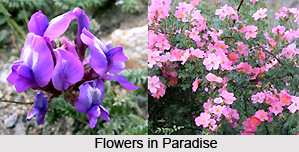
Nasinda, is a large, deciduous, aromatic shrub or small tree. This tree is 4.5 meter tall. The leaves are medium. The flowers of the tree usually come in pale blue or bluish-purple, borne in pedunculate grey-tomentose cymes forming large sizes.
The Nasinda is mainly used in conventional Indian medicine sectors, where mainly its leaves and roots are used. These leaves and roots have tranquillizing effects, which demanded as constituents of Ayurvedic preparations such as Vishagarblm thaila. Its stem juice can be taken orally with honey for indigestion relief among the tribal inhabitants of northern Orissa. Dried leaves of Nasinda commonly used as tonic and vermifuge, sometimes, smoked for relief of headache and catarrh. Juice of the leaf is used to clean infected ulcers and sometimes, an ointment, made from the leaves, used as a hair tonic. Its roots acquires tonic, febrifugal, expectorant, anodyne and diuretic properties and are useful for dyspepsia, colic, rheumatism and boils treatment. The flower of Nasinda, is astringent, car-diatonic and has cooling property, which is ideal for fever, cholera, diarrhoea and liver ailments treatments. Its fruit is often used to alleviate watery eyes, headache and catarrh.
This article is a stub. You can enrich by adding more information to it. Send your Write Up to content@indianetzone.com