
Nalpagarana is one of the oldest from folk entertainment in the state of Karnataka. Among the available names that signify the folk entertainment, the term Nalpagarana, mentioned by Nripatunga, is the oldest. The term is made of two distinct words - Nal to denote "Nad", "Nadu" or country, and Pagarana to denote talk or acting with an emphasis on humour. The word Pagarana is taken to have derived from the Sanskrit language - Prakarana, one of the Dasarupaka mentioned by Bharata and explained by Keith as the bourgeois comedy, a comedy of manners. In this sense, the spirit of Pagarana or Hagarana is the same as that of Prakarana, but the term Nalpagarana, set in "Old Kannada" suggests a great antiquity for the word Pagarana. If it ever was a pure Dravidian word, it is not improbable that like many other Prakrit words that passed on to the Sanskrit vocabulary during the process of Aryanisation, it may have as well passed on to Sanskrit to become "Prakarana". If it was so, Nalpagarana would indicate the oldest form of the folk theatre of Karnataka which was indigenous (Desya); but even if it was otherwise, the Nalpagarana remains a Pagarana played and relished by the entire "nal" or "nad" thereby suggesting a type of entertainment enjoyed by the entire Kannada community.
It is thus possible that Nalpagarana had become a popular mode of theatrical entertainment by the times of Nrpatunga and that it might have grown side by side with the earlier Yakkalagana, the original indigenous music of the Yaksas, or the Music of the South. These indigenous modes of the Dravidian theatre might have been flourishing even before the advent of the Aryans. Two objections are usually raised against placing the folk modes of Karnataka especially Yakshagana, earlier to Sanskrit theatre. The first objection is that the themes of Yakshagana as seen today, are all borrowed from the marga literature, from the epics composed in Sanskrit literature, and the second, that no script of the Yakshagana composed before the 18th century is available, while a number of plays in Sanskrit, and in some cases, excerpts of their renderings into Kannada theatre are indeed available. At the outset it may be said with regard to the first objection, that the present form of Yakshagana could not have been the same as that of the ancient Yakkalagana, though with its inevitable bearing on the latter. The old themes of Yakkalagana the Music of the South might have been in praise of superior powers, festivals, social habits, tribal wars and such others prevalent in folklore even today. After the Sanskrit language and literature became popular in the South, themes from the Epics and Puranas must have been immediately accepted here, because of their rich dramatic qualities and scope for presentation.
New themes were perhaps borrowed and presented through the indigenous and mastered methods of dance and music. The Sanskrit literature, thus, might have brought only a fresh flood of rich themes to the already existing indigenous modes of entertainment. The second objection regarding the non-availability of scripts of Yakshagana compositions of antiquity could be convincingly explained, for the tradition of preserving the folk art and literature has always been by orally passing it down from generation to generation. Even today, not all the folk songs are written but they are just sung, taught and remembered. It is true that during the transmission of the art from generation to generation, a part of the original is lost. But it is inevitable and that is how art is changing eternally, yet its soul remaining the same forever.
Nalpagarana
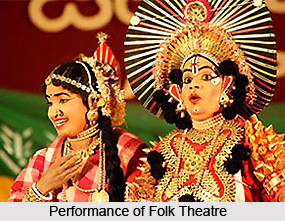
Nalpagarana is an ancient from of folk entertainment in Karnataka. New themes were enacted in this from of drama.
Recently updated articles in Indian Drama & Theatre
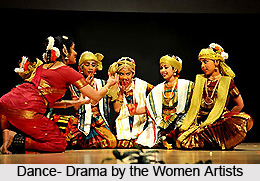
Amateur Theatre
Development of Amateur Theatre has been responsible for useful innovations in theatre culture of Karnataka.
Surendranath Ghosh
Surendranath Ghosh or Dani Babu was a Bengali thespian active during the mid-20th century. He was mostly known for his contributions to Bengal’s moder...
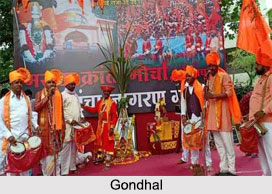
Gondhal Dance
Gondhal is a religious folk dance of Maharashtra. It is performed on special days like when there is a newborn in a family or marriage. Dedicated to g...

Pravritti in Natyashastra
Pravritti in Natyashastra refers to specific human behaviour varying from region to region. There are four types of Pravritti namely, dakshinatya, ava...
Padma Bhushan Awardees (2010-2019)
Padma Bhushan Awardees (2010-2019)
Related articles in Indian Drama & Theatre
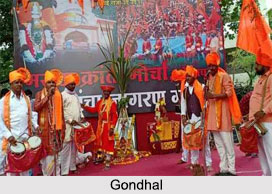
Gondhal Dance
Gondhal is a religious folk dance of Maharashtra. It is performed on special days like when there is a newborn in a family or marriage. Dedicated to g...
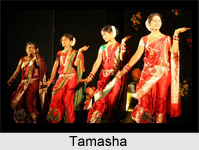
Tamasha Folk Dance
Tamasha is a folk art, which includes the love songs, which are traditional lavanis and dance along with the music.
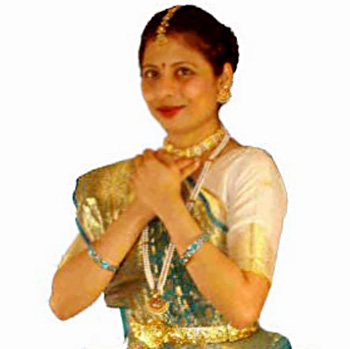
Sringara Rasa
Sringara Rasa is mentioned in Natyashastra as one of the important rasas. The Sthayi bhava in Sringara rasa is Rati or love.
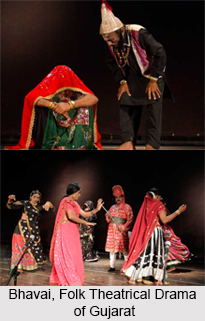
Bhavai - Folk Theatre of Gujarat
Bhavai is a popular folk theatre form of Gujarat that belongs to the tradition of theatre of entertainment.
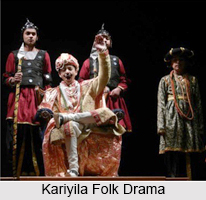
Kariyila Folk Dance
Kariyila is one of the most appealing and popular folk drama forms of Himachal Pradesh, portraying social satire with the accompaniment of folk dance...