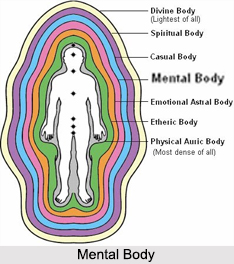
 Mental Body is related to imagination, memory, and dreaming. Transformation of dreaming happens into vision. This layer is connected to the vibration level of thoughts and mental processes, ego and personal power. It is the vibratory rate through which one thinks and reasons out. When one operates in lower levels of the mental body, one"s opinions and attitudes may be heavily influenced by feelings, giving rise to a "desire mind", products of which include preconceptions, opinions and other forms of emotionally seasoned thinking. Operating at the superior levels of the mental body, one is capable of non-figurative thinking, creativity, logical analysis, mathematics and philosophy. There is a connection with the third chakra which is the Manipura Chakra. It displays the thoughts and attitudes of the people.
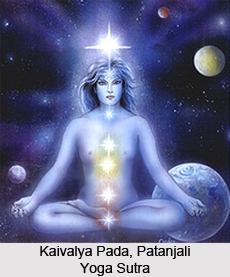
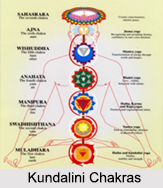
The following illustrations portray the locations of the seven chakra levels of Mental Body:
1. Physical Level
Location: lower throat. Function: accepting what is; coordinating ways to work with situations; a feeling of power to make changes. Too open: always trying to take charge of things, generally other people"s lives. Blocked: incapability to accept (swallow) mentally; incapability to work with situations; may have too much conceit or prejudices.
2. Emotional Level
Location: temples. Function: feelings about things perceived. Too open: unnecessary attempts to grasp everything. Blocked: may disfigure vision or only see what is contentedly seen.
3. Mental Level
Location: third eye (between eyebrows). Function: home of ego; fortifies self as separate individual; extrasensory sight. Too open: narcissistic. Blocked: weak or upturned ego; closed to other attributes of life.
4. Intuitional/Compassionate Level
Location: centre of transverse colon (above navel). Function: emotional level of acceptance or refusal of thoughts; emotional-mental connection. Too open: feeling one"s thoughts are exceptionally vital. Blocked: undigested thought, forms or ideas; can lead to constipation.
5. Will/ Spirit Level
Location: upper throat, at the base of the tongue and straight back under the chin. Function: triggers will to articulate thoughts and speak up. Too open: unwarranted expression of thoughts (talk too much). Blocked: deficiency of confidence in one"s mental abilities; choking on words; sore throat.
6. Soul Level
Location: fifth eye (centre of forehead). Function: triggers higher mind for creative thinking; brings responsiveness of the bigger picture of life and one"s place in it. Too open: too obsessed with humane values. Blocked: self-centred; lack of vision.
7. Divine Level
Location: seventh eye (straight up from the fifth eye, above the normal hair line, approximately 3/4 to 1 inch). Function: consciousness of self on soul level; communication point with higher self. Too open: exceptionally inattentive with higher vision of the self. Blocked: incapability to comprehend and use spiritual sixth sense; preoccupied with just the human side of life.
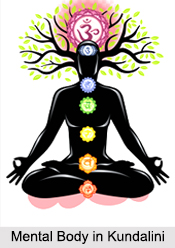 The mental body contains matter, which can vibrate at a rate similar to that of the creative force in the cosmos. It is where a person starts to think, to reason, to know, to create. Through the mental body one gathers knowledge, through reason and logic, one applies that knowledge. It is also through this body that one sets up severe attitudes or structures in the system. It is here that prejudices are formed. The more inflexible the matter in the mental body becomes, the more complicated it is to flow with life, to learn new ways of living and to develop fresh ideas.
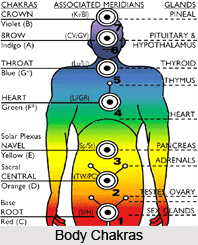 The mental body is indeed an important part. To understand the slightest mental vibration this body is needed. Proper exercises are needed for the overall stimulation of this body, which ultimately supports in developing the chakras too.