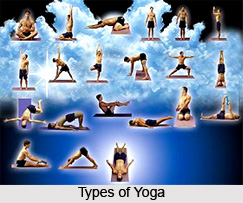
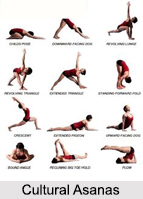
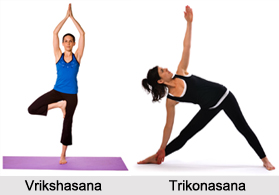
 Asanas in Standing Pose require both strength and flexibility, and categorize most of the advanced Yoga Asanas. Most of the postures are devised to enable us to have better physical health and a peaceful mind. These yoga postures have deep impact on the whole body, mind and soul.
Rules for Asanas in Standing Pose
Yoga Asana in standing position should be performed by maintaining some rules. One must stand erect with the feet quite close together, heels and the big toes touching each other. These positions help achieve stability of pulse.
List of Asanas in Standing Pose
These energetic poses provide a straight line in shaping best body. They are also great for strength, balance, and focus.
•Virasana (Warrior pose)
•Ugrasana (Ferocious pose)
•Trikonasana (Triangle pose)
•Sankatasana (Difficult pose)
•Vrikshasana (Tree pose)
•Garudasana (Eagle pose)
•Shirshasana (Headstand pose)
•Mridang Bandha (Drum pose)
•Parivarta Trikonasana (Twisted triangle pose)
•Virabhadrasana (Gracious Warrior pose)
•Patangasana (Kite pose)
•Ekapad Hastasana (Hand to Leg pose)
Benefits of Asanas in Standing Pose
Standing Asanas play a vital role in awakening the Prana. This makes the body more integrated as an organism, improving immunity and vigour. It helps one to be more grounded. Standing asanas facilitate alignment and balance in everyday life situations. These Asanas promote lightness in limbs, releasing stiffness in hip, lower back and joints in the leg. Standing Asanas have a great preventive and therapeutic value for disorders arising from sedentary and chaotic lifestyle.
This article is a stub. You can enrich by adding more information to it. Send your Write Up to content@indianetzone.com