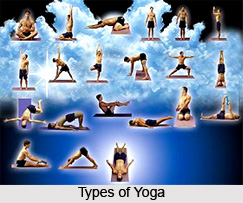
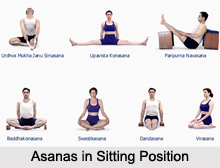
 Asanas in Sitting Position offer a wide range of benefits, and physical and emotional benefits vary depending on the specific pose. There are many different types of asanas in yoga and each has its own unique benefits. Sitting Asanas are an essential limb of Asana practice. These Yoga Asanas can be maintained for prolonged period of time.
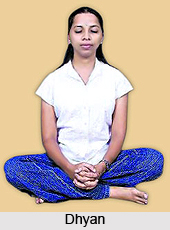
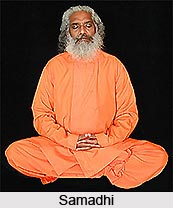
Yoga helps to relax the entire body. This can help with relaxation, stress relief and sleeping at night. When the spine and surrounding muscles are relaxed, it"s easy to release tension and relax the mind and body. This is the reason meditation is performed in a seated position.
List of Asanas in Sitting Position
Asanas in sitting position include a broad range of poses. Some commonly used seated poses in yoga include;
•Ardha Matsyendrasana (Seated Twists)
•Baddha Konasana (Bound Angle Pose)
•Gomukhasana (Cow Face)
•Vikasitakamalasana (Flowering Lotus)
•Padmasana (Lotus Pose)
•Ardha Padmasana (Half Lotus)
•Virasana (Hero)
•Paschimottanasana (Seated Forward Bend)
•Parivarta Janu Sirsasana (Revolved Head to Knee)
Benefits of Asanas in Sitting Position
Asanas in sitting positions benefit the spine in several ways. In seated yoga poses, the spine is kept straight, which helps to stretch the spine and surrounding muscles and seated poses help to release tension and increase flexibility of the spine. A well rounded practice that includes stretching and twisting helps improve the posture of the spine, which decreases pain and improves alignment and flexibility. Seated yoga poses help to strengthen and tone the core muscles of the back and abdomen. Using a variety of yoga poses, such as twists, boat pose and seated bends help to tone the abdominal muscles, lower back, oblique and upper thighs.
To gain full benefits of the seated poses, one should include several different types of seated poses in practice. Most seated yoga postures are suitable for beginning level students, as the majority are easily adapted to any level of strength or flexibility. Seated yoga poses tend to be energetically grounding and focus more on flexibility than strength.
Asanas practiced in sitting position require only a small place. A clean cloth is spread and they are practiced according to one"s capacity.