 Lakes of Assam are contributing to the global tourists with the nature and the water along with the cruise on Brahmaputra River. These lakes are maintaining the eco logical balance to the environment of Assam.
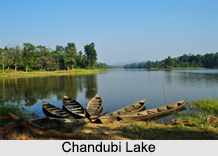
Chandubi Lake
Chandubi Lake is a natural lake located in Rabha Hasong Autonomous Council of Kamrup District in Assam. This lake is situated at a distance of 64 kilometers from the city of Guwahati accessible through National Highway 37. The lake is located at the foot of Garo hills surrounded by Assam and Meghalaya. The place is calm and peaceful covered by deep forest, tea garden and small and distinct villages. It is a natural sightseeing and picnic spot for the people of Assam. Chandubi Lake attracts great amount of migratory birds during winter. The beauty of the lake and its surroundings lays a charm that lures a huge number of tourists who visit the place to relax in the lap of nature.
Dighalipukhuri Lake
 Dighalipukhuri is a rectangular man-made lake in Guwahati. It is about half a mile long. Dighalipukhuri occupied altogether an area of garden and pond between 17-18 bigha lands.
Dipor Bil
Dipor Bil is located to the south-west of Guwahati city, in Kamrup district of Assam, India. It is a permanent freshwater lake, in a former channel of the Brahmaputra River, to the south of the main river. It is also called a wetland under the Ramsar Convention which has listed the lake in November 2002, as a Ramsar Site for undertaking conservation measures on the basis of its biological and environmental importance.
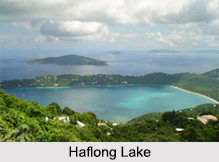
Haflong Lake
Haflong Lake is a beautiful lake located at the heart of the Haflong Town (1683 ft) with Hanging Bridge overpasses, a perfect spot to haul the photography. Haflong Lake is one of the most charming and the only tourist hill destination in this northeastern Indian State of Assam. Haflong Lake offers various leisure water sporting activities and boating facilities. It is under protection of Dima Hasao Tourist Forest Department and Dima Hasao Autonomous Council. It is also an angling spot for fishing lovers.
Son Beel
Son Beel is one of the largest lakes in southern Assam. It is situated in the Karimganj district, and is the largest wetland in Assam state. The specialty of Son Beel is that during winter season it becomes fully farm land where Rice cultivation is done and after winter from March onward this land gets filled up with water and become a lake. The depth of this lake is very less so when there is too much of rain then the lake overflows and the excess water channels through the Kakra river to the Kushira river and eventually flows into Bangladesh. Son Beel is famous for its fishery and it is one of the main producers of fish for the entire district in southern Assam. Son Beel produces all types of fish and the specialty of Son Beel is its Bhujia fish.