
The word Klesa in Sanskrit means to molest, torment and suffer. In the Patanjala philosophy Klesa is described as the five afflictions of the soul. They are the five klesa-karins or the causes of pain. The five klesa-karins are avidya or ignorance, asmita or egoism, raga or passion, dvesha or hatred and abhinevesa or attachment, devotion.
The first of the three kinds of klesa or affliction or worldly pain causes suffering. The afflictions means that troubles arising from oneself that can physical illness like headaches, fevers, diseases, etc. But these physical pains is said to be originating from mental and other inner causes. The other causes of physical ailments are weakness of will, misleading emotions, and imperfect alteration.
Avidya, a Klesa means ignorance. Ignorance is of four kinds. They are, one that is mistaken that which is impermanent to be permanent, that which is full of desolation to be pleasurable, that which is impure to be pure, and that which is not the self to be the self. Avidya can be avoided by Bhakti or devotion.
Adhidaivika means spiritual beings or gods and divine influences. When adhidaivika is combined with duhkha or pain, the third of the Klesa then some unexpected accidents befall.
The five Klesa can be restricted through the practice of Siddha. Siddha leads to three things, first is the realized or perfected. Second siddha leads to liberated souls who reside in the spiritual world. Last is that by performing siddha a liberated soul accompanies God or one soul get united with the Supreme Being. One who is always fully immersed in activities related to the God, who is completely unacquainted with impediments or material distress, and who incessantly tastes the bliss of prema is called a siddha-bhakta.
Klesa
Klesa in the Patanjala philosophy is the term employed to designate the five afflictions of the soul.
Recently updated articles in Yoga
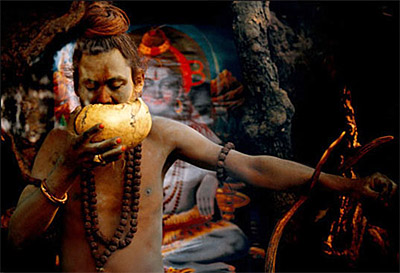
Khanda Manda Yoga
Khanda Manda Yoga is a difficult form of yoga where the Yogi cuts off his own arms and legs with a sharp cleaver, that is axe-like knife, and throws t...

Kaivalya Pada
Kaivalya Pada, the fourth chapter of Patanjali Yoga Sutra denotes an absolute, indivisible state of existence of the Yogi. The Kaivalya Pada is someti...

Vibhuti Pada
Vibhuti is the Sanskrit term for “power” or “manifestation.” In this third chapter, Patanjali introduces the final three limbs of Aṣṭanga Yoga, collec...

Sadhana Pada
Sadhana Pada in Patanjali Yoga Sutra denotes the idea of practicing yoga that leads to spiritual illumination. Sadhana, the Sanskrit term for “practic...
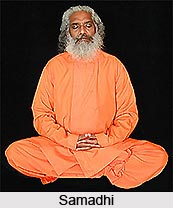
Samadhi Pada
Samadhi Pada is the first chapter of Patanjali Yoga Sutra. In this chapter, the author explains the essence of yoga, the nature of samadhi, and the me...
Related articles in Yoga

Cultural Asanas
Cultural Asanas refer to the daily physical exercise postures that train the body and mind in Yoga Practice.
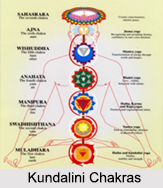
Kundalini Chakras
Kundalini Chakras are psychic energy centres or vortices, which connect between our psychic and physical energy systems.

Patanjali Yoga Sutras
Patanjali’s Yoga Sutras presents a foundational guide to the philosophy and practice of yoga. Through concise aphorisms, it outlines the nature of the...
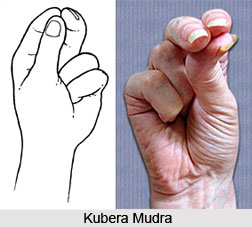
Kubera Mudra
Kubera Mudra, a form of Hatha Yoga, leads to the elevation of mental peace and physical relief by proper practice and cleanses frontal sinuses.