
Situated dramatically on the rear of the river Nagmati, Kera is about 22Km South of Bhuj on the Mundra road. It was the seat of Kapilmuni and was known as Kapilgram. Lakho Fulani built a fort which later became famous as "Kapilkor" or "Kera fort". In this fort he renovated the Shivalaya of Lakheswar. The old Shiva temple, built perhaps at the end of tenth century, was except for the shrine destroyed by the earthquake of 1819. The sculptures of the Shivalaya are attractive and beautiful. In the time of Gulamalishah Kera recovered to some extent. Gulamalishah was a descendent of Pir Sadruddin and is said to have come from Sindh. Kera is populated mainly by Kanbis and Khojas who are progressive cultivators. There are two Swaminarayan Temples. The old Shiva temple is protected by the state Archeology Department.
Kera
Kera is about 22Km South of Bhuj on the Mundra road. It was the seat of Kapilmuni and was known as Kapilgram.
Recently updated articles in States of India
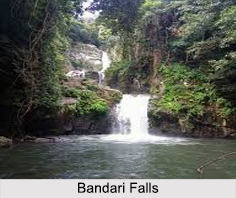
Bandare Waterfalls, Meghalaya
Bandare Waterfalls in South Garo Hills, Meghalaya, is a secluded natural attraction surrounded by dense subtropical forests and rugged mountain terrai...
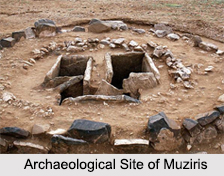
History of Thissur District
Early History of Thissur District explains flourishing of the port cities. Now these port cities are transformed into archaeological sites.
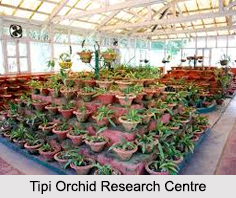
Tippi Orchid Research Centre, Arunachal Pradesh
Tippi Orchid Research Centre in Arunachal Pradesh is renowned for its rich collection of exotic and endangered orchids. Surrounded by lush rainforest...
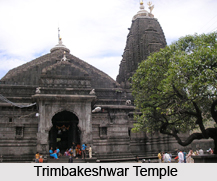
Tourism in Nashik District
Pilgrimage tourism in Nashik district involves visiting the various places of Hindu and Jain worship located here. Some of the holiest sites for Hind...
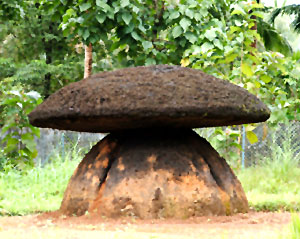
Mangadu, Kerala
Mangadu in Kerala’s Kollam district is a significant megalithic site known for its urn burials, cist burials, menhirs, and stone circles. Excavations...
Related articles in States of India
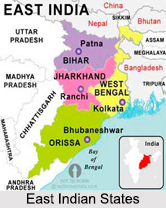
East Indian States
East Indian States comprises of Bihar, Jharkhand, West Bengal, Odisha and also the Union Territory of Andaman and Nicobar Islands. It defines the cult...
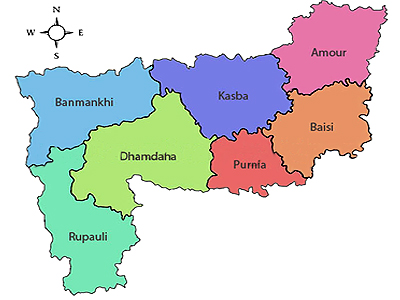
Purnia District in Bihar
Purnia District is located in Bihar and extends from River Ganga to Nepal. The district has a rich Hindu history and glorious past.
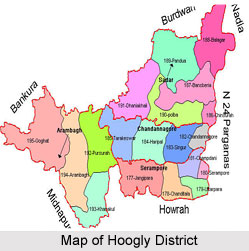
Hooghly district
Hooghly District along the bank of the river Hooghly is one of the principal trading ports of West Bengal.
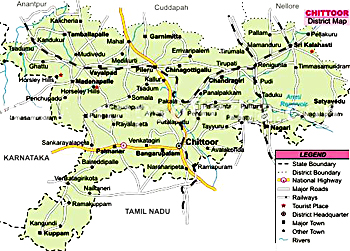
Geography Of Chittoor District
Geography of Chittoor district is spread along the topography of the land which is divided into two natural divisions; Chittoor has a dry and healthy...
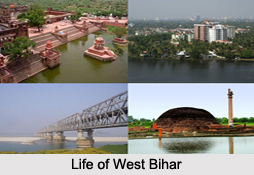
Districts of West Bihar
Districts of West Bihar is comprised of medieval monuments that were built by the different governors of Mughal era.