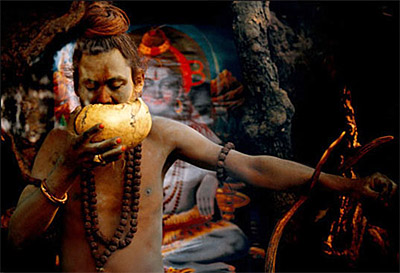
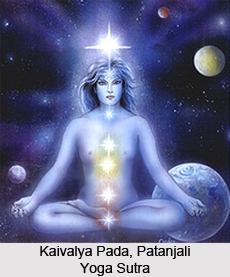
 The kaya indriya siddhih asuddhiksayat tapasah sutra describes about the immense potential of self-discipline that bring about huge changes, even in the achievement of divinity. It washes away every impurity, every violent attitude that one possibly has. A sadhaka, through honing the mind, body and senses, calms the mind. It is his own supreme zealousness and unrelenting hardness of attitude, that one develops an inclination to be forgiving to everybody.
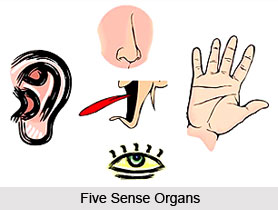
kaya body
indriya senses
siddhih attainment, power
asuddhi impurities
ksayat destruction
tapasah ascetic devotion, a burning desire to reach perfection, that which burns all impurities, self-discipline
Self-disciplinz (tapas) burns away impurities and kindles the sparks of divinity.
Self-discipline destroys all impurities, perfecting the body, mind and senses, so that consciousness functions freely and accomplishes divinity.
Ahimsa cannot be properly understood without reference to tapas. Tapas is the inner himsa (violence) by which one creates the possibility of outer ahimsa. Ahimsa cannot exist alone. A complementary force must necessarily exist. Mahatma Gandhi would never have been able to summon up the implacable peacefulness, which moved an empire, without his ruthless attitude towards the own self. Violence is perhaps too strong a word for tapas, but it is a burning inner zeal and austerity, a sort of indefatigable hardness of attitude towards oneself, which makes possible compassion, and forgiveness towards others.