
Kalicharan Pattnaik was born in the year 1897. He was one of the foremost authorities on the performing arts of Orissa. He is often called the Bharat Muni of modern Oriya Natyashastra, as, like Bharata, he too is considered to be a pioneer theoretician of Oriya drama, dance and music. Pattnaik has written profusely on every aspect of Odissi Natyakala, Nritya and Geeta. In fact he is the key personality through whose efforts Odissi dance received national and international recognition in the 50`s. His extensive research, exceptional ability to put across his ideas and untiring efforts enabled him to convince successfully a body of eminent theoreticians about the classical status of Odissi dance. He researched both Odissi dance and music simultaneously. After Odissi dance got national recognition Sri Pattnaik organized a number of seminars to discuss the classical nature of Odissi music. But unfortunately before he was able to crystallise his ideas in this regard systematically, he passed away.
Kalicharan Pattnaik was not merely a theoretician but an equally good organizer. He is the founder of the first modern commercial theatre of Orissa. His `Odissa Theatres` was his laboratory where he experimented with his ideas about Odissi drama, dance and music. He has also produced a social film in Oriya, named, `Rolls-28`. As a writer he was as versatile as an organizer. He has written more than a dozen modern plays, Gitinatya (folk `musicals`) and Nrityanatika (dance drama). He has also composed a number of songs mostly in medieval style. He has produced numerous research articled on Odissi dance and music. His Oriya works `Manchadhara` is a collection of works of Odissi dramaturgy, dance and music. His English work `Odissi Dance Tradition` is also an authoritative work on Odissi dance. He has also edited the Sanskrit works, `Geeta Gobinda`, `Natya Manorama` and `Raaga Chitra`. He was conferred numerous titles and awards at state and national level. But the title `Kavichandra` sticks to his name and he is most well-known by that name.
Death of Kalicharan Pattnaik
Kalicharan Pattnaik died in the year 1976.
This article is a stub. You can enrich by adding more information to it. Send your Write Up to content@indianetzone.com
Kalicharan Pattnaik
Kalicharan Pattnaik, best known as ‘Kavichandra’, was one of the leading figures in the field of Oriya performing arts. He has written profusely on every aspect of Odissi Natyakala, Nritya and Geeta and worked tirelessly towards their national and international recognition.
Recently updated articles in Music in India
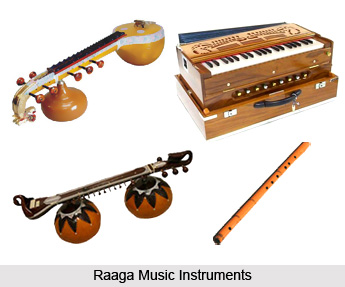
Classification of Raagas in Carnatic Music
Classification of Raagas in Carnatic music is based on scale type, devised as a system for raagas that existed as well as those that were in the proce...
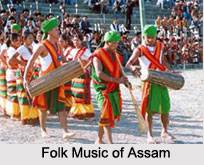
Folk Music of Assam
Folk Music of Assam reflects the outdoor and indoor life of the folk people and it does not follow any strict rule of composition and performance. Fol...
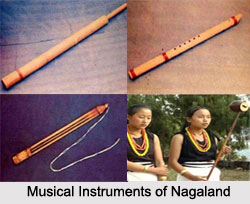
Musical Instruments of Nagaland
Musical Instruments of Nagaland reflect its rich tribal heritage and deep cultural roots. Crafted from natural materials like bamboo, wood, and animal...

Rasa, Hindustani Music
Rasa is an important part of Hindustani Music. Here the creative experience of the artist i.e. musician and the aesthetic response of the connoisseurs...
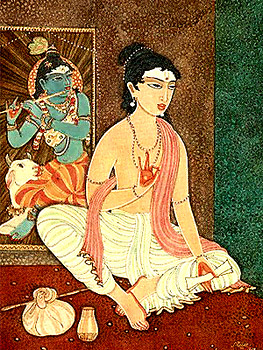
Kshetrajna, Telugu Poet and Composer
Kshetrajna (1600 - 1680) was a creative Telugu poet and composer of Carnatic music. He composed several padams and keertanas.
Related articles in Music in India
Kriti Carnatic Music
Kriti refers to one of the most widely used genres of Carnatic music. It originated from the kirtanas of the bhaktas, i.e., musicians who expressed th...
Indian Folk Music
Indian Folk Music is full of rustic charm. The appeal of Indian folk music lies in the simplicity of its style and lyrics. Most of the folk songs are...
Haryanvi Music
Haryanvi music is the folk music of the state of Haryana and is sung in western Uttar Pradesh along with the neighbouring districts of Rajasthan and P...
Carnatic Music
Carnatic music, also known as `Karnataka Sangitam`, is one of the two styles of Indian classical music.