 Jasnathji founded the Jasnathi Sampraday sometime about 1500 at Katariyasar in Bikaner which is now its main seat. Most of his thinking and preaching is similar to that of Jambhoji. Like Jambhoji, Jasnathji also believes in the Incarnations. He has accepted the Vaisnav ideology and yog, but has not, as some believe, followed the Nath tradition. The Agni Nritya or the fire dance by the Jasnathis is well known. The language of Jasnathji and the poets of his tradition is popular Rajasthani. Jasnathji`s vani consists of about 50 sabads, including Simbhudhada, and Kod and a minor poem by Gorakhchand.
Karamdas, born in the village of Kharadiyo (Nagore) had composed Hari Katha in 1603 in 116 kadis. Culling examples from the Mahabharata, the poet propounds the virtue of noble deeds and Bhakti. In the poem Durwasa tells Duryodhana about the human destiny.
The poems of Devonji are minor poems and deal with guru, God, Mother Earth, Bhakti and niti. The poem Desunto tells of the secret dwellings of the Pandavas of Mahabharat. The poems are mostly drawn from oral traditions and, therefore, indicate their popular appeal.
Lalnathji of 18th century may be said to be a representative poet of the Jasnathi Sampraday. His works include Jiv Samjhotari, Varan Vidya, Har Ras, Harilila, Nikalang Puran, Suraj Stotra and stray sabads. They deal with karma, gyan, bhakti, yog, niti and stuti in various ways. Nikalang Puran describes the Kalki Incarnation.
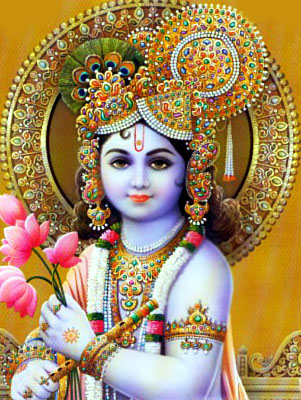
Cokhnathji`s stray verses and sabads describe Jasnathji`s life and some lilas of Lord Ram and Lord Krishna. With the help of his poems Cokhnathji has ridiculed the degenerating standards of human behaviour.
Haroji, Sobhoji Soni, Karamoji Bhambhu, Pancoji, and Nathoji were other poets of this Sampraday whose stray verses und sabads deal with human duties, divine attributes and other preaching.
This article is a stub. You can enrich by adding more information to it. Send your Write Up to content@indianetzone.com