
Influence of Sanskrit on Kannada Theatre is starkly visible in the kind of works that have been staged over the years. During the later part of nineteenth century professional theatre had become a sudden reality in Karnataka, inspired by the touring Marathi and Parsi theatre troupes. Its most urgent need was suitable dramatic literature. North Karnataka had prepared itself to an extent to meet the emergency, and its first-troupe came into existence after the plays themselves were written by Shantakavi. The Mysore area was not prepared for the emergency, and naturally, to start with, it had to fall back on Kannada translations of reputed plays in other languages, particularly in Sanskrit language and English language.
There was nothing unusual in falling back on the Sanskrit theatre. The Marathi Stage was gaining both stability and popularity because of translations of Sanskrit plays by Rajwade, Krishnasastri Chipalunkar, Lele and others. The Court stage of Karnataka had the influence of Sanskrit drama even in the times of Chicka Devaraj Wodeyar. The plays written during those times had a good mix of history and mythology. The popular taste would be well served as the theme of the play was invariably mythological or historical. It had a beautiful blending of poetry and prose, providing ample scope for music and acting. Sanskrit drama, thus, looked ideal from all points of view, particularly at the hour of need.
Chamaraja Wodeyar, the Maharaja of Mysore, accordingly instructed the learned poets of his court to translate into Kannada language, well known plays from the Sanskrit dramatic literature. This yielded rich results in that almost all the well known Sanskrit plays were rendered into Kannada both by the court poets and other learned pandits. A significant feature of the first translations was in that they were entirely faithful to originals unlike Mitravinda Govinda. Prominent among the scholars who brought successful translations were Basavappa Sastri, Sosale Ayya Sastri, Giribhattara Tammayya, Tayarayacharya, Dhondo Narasimha Mulbagal, Anantanarayana Sastri, Shivashankara Sastri, Nanjangud Subba Sastri and Devashikhamani Alasingaracharya. The Palace Company was placed in a happy position to try experiments in the theatre as it did not have to cater to the popular taste and thus, it staged some of these translations, the most successful of which were Kannada Sakuntala of Basavappa Sastri, Mrichakatika of Nanjangud Subba Sastri and Veni Samhara of Jayarayacharya. The example set by the Palace Company was followed by A. V. Varadachar, who staged with great success, kannada versions of Sakuntala and Ratnavali. From the inception of the modern theatre in Mysore early in the Eighties, up to the end of the 19th century, plays drawn from the Sanskrit originals seem to have held the stage.
Among the court poets who rendered Sanskrit plays into Kannada, Kari Basavappa Sastri deserves a special mention both in regard to the quality and quantity of his contribution. Gifted with classical learning and a poet`s imagination, Basavappa Sastri seems to have made a mark in composing a merited poetical work The Palace was naturally proud of honouring him with the title Abhinava Kalidasa. The Court Theatre of Mysore staged Sastri`s renderings, to the great relish and enjoyment of its learned audience. To say that almost every well known Sanskrit play has been rendered into Kannada would be no exaggeration of the fact. Swapnavasavadatta and Pancharatra of Bhasa, Mricchakatika of Sudraka, all the three plays of Kalidasa, Mudrarakshasa of Visakhadatta, Ratnavali of Harsa, Uttararamacharite of Bhavabhuti, Veni Samhara of Bhattanarayana, and Chanda Kaushika of Kshemeshwara are all rendered into Kannada and each one of them has been differently rendered by two or more scholars; but not many of them have been staged by the professional stage. It was so, as the sudden initial demand was met with by the adapted plays from Sanskrit. There was sufficient time and talent for creating original plays on Pauranic themes.
Influence of Sanskrit on Kannada Theatre
Influence of Sanskrit on Kannada Theatre has been immense. Many Sanskrit language plays have undergone translation for Kannada theatre.
Recently updated articles in Indian Drama & Theatre
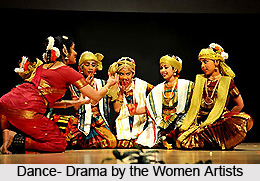
Amateur Theatre
Development of Amateur Theatre has been responsible for useful innovations in theatre culture of Karnataka.
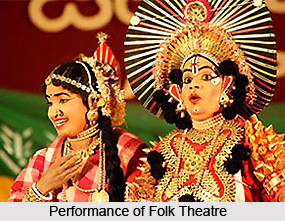
Surendranath Ghosh
Surendranath Ghosh or Dani Babu was a Bengali thespian active during the mid-20th century. He was mostly known for his contributions to Bengal’s moder...
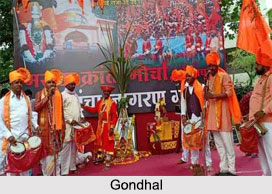
Gondhal Dance
Gondhal is a religious folk dance of Maharashtra. It is performed on special days like when there is a newborn in a family or marriage. Dedicated to g...

Pravritti in Natyashastra
Pravritti in Natyashastra refers to specific human behaviour varying from region to region. There are four types of Pravritti namely, dakshinatya, ava...
Padma Bhushan Awardees (2010-2019)
Padma Bhushan Awardees (2010-2019)
Related articles in Indian Drama & Theatre
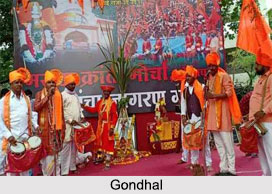
Gondhal Dance
Gondhal is a religious folk dance of Maharashtra. It is performed on special days like when there is a newborn in a family or marriage. Dedicated to g...
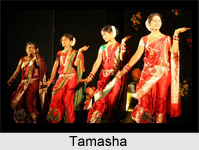
Tamasha Folk Dance
Tamasha is a folk art, which includes the love songs, which are traditional lavanis and dance along with the music.

Sringara Rasa
Sringara Rasa is mentioned in Natyashastra as one of the important rasas. The Sthayi bhava in Sringara rasa is Rati or love.
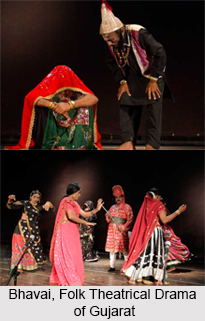
Bhavai - Folk Theatre of Gujarat
Bhavai is a popular folk theatre form of Gujarat that belongs to the tradition of theatre of entertainment.
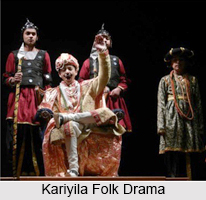
Kariyila Folk Dance
Kariyila is one of the most appealing and popular folk drama forms of Himachal Pradesh, portraying social satire with the accompaniment of folk dance...