
Influence of Nath Yogis on Swang has been immense and the theatre of north India has been hugely affected by the same. Along with the bards of Rajasthan and the Shaiva and Shakta lavani singers, another unusual population contributed to the early Swang theatre. The ascetics known as sadhus, especially, the followers of Guru Gorakhnath in the Indian state of Punjab, originated several frequently told Swang tales, principally Gopichand and Puranmal. In contrast to the Lilas focusing on divine heroes incarnate in flesh and blood, the Nath yogis stressed faith in ascetic renunciation, magical beliefs, and Tantric mysticism. The Nath yogis (naths, yogis, or jogis) are followers of Saint Gorakhnath.
As a result of the initiatory rite of inserting a heavy earring (mudra) into the pierced cartilage of each ear, they are known as khanphata (having split ears). Tales such as Gopichand`s embody their beliefs: emphasis on conquering death and achieving immortality of the physical body, and rejection of sensual pleasure, especially congress with women. They worship Gorakhnath as one of the nine Naths (lords, masters) and reckon Gopichand as one of the eighty-four Siddhas (adepts).
The Naths were largely responsible for spreading Tantric beliefs and terminology among the masses of northern and central India, through their popular sayings or Gorakhbani. Yogis of the Nath sect established a formidable reputation among the villagers as curers, magicians, and masters of the occult. Most importantly they also functioned as singers, musicians, and popular entertainers. Through songs and stories such as that of Gopichand, they elaborated a redoubtable body of folklore to spread their sectarian message. Nath oral traditions are one of the main sources of the early Swang stories, and the yogis themselves may have been a primary conduit to the popular stage.
The Nath community had a substantial geographic reach. Its chief pilgrimage sites and monastic centres ranged from Hing Laj in Baluchistan, to Dhinodhar in Gujarat, Tilla in Punjab, and sites in Nepal, West Bengal and Mumbai. Nath yogis lived in settled caste units as well as in monasteries, and they also travelled in bands. Toward the end of the eighteenth century, these bands gained an unusual degree of political and economic clout in the absence of a strong central authority. Ascetic orders were heavily involved as mercenaries and traded, lent money, and owned property.
Not all Naths were bards, but the evidence from various caste groups suggests the sizable domain of their storytelling art. The involvement of many jogi groups, in playing musical instruments, singing ballads, and preserving religious songs. Although jogis have been professional raconteurs perhaps for centuries, there is no explicit evidence of their organization into Ramlila troupes in the nineteenth century or earlier.
Influence of Nath Yogis on Swang
Influence of Nath Yogis on Swang has been immense and it contributed to the growth of the same.
Recently updated articles in Indian Drama & Theatre
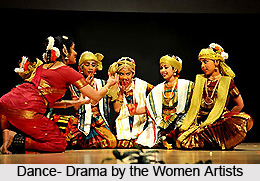
Amateur Theatre
Development of Amateur Theatre has been responsible for useful innovations in theatre culture of Karnataka.
Surendranath Ghosh
Surendranath Ghosh or Dani Babu was a Bengali thespian active during the mid-20th century. He was mostly known for his contributions to Bengal’s moder...
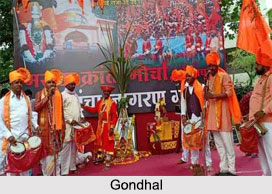
Gondhal Dance
Gondhal is a religious folk dance of Maharashtra. It is performed on special days like when there is a newborn in a family or marriage. Dedicated to g...

Pravritti in Natyashastra
Pravritti in Natyashastra refers to specific human behaviour varying from region to region. There are four types of Pravritti namely, dakshinatya, ava...
Padma Bhushan Awardees (2010-2019)
Padma Bhushan Awardees (2010-2019)
Related articles in Indian Drama & Theatre
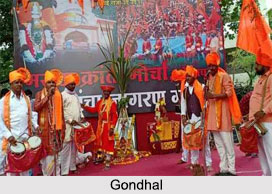
Gondhal Dance
Gondhal is a religious folk dance of Maharashtra. It is performed on special days like when there is a newborn in a family or marriage. Dedicated to g...
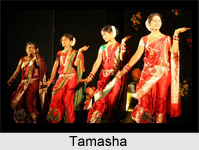
Tamasha Folk Dance
Tamasha is a folk art, which includes the love songs, which are traditional lavanis and dance along with the music.
Sringara Rasa
Sringara Rasa is mentioned in Natyashastra as one of the important rasas. The Sthayi bhava in Sringara rasa is Rati or love.
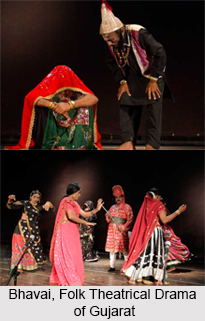
Bhavai - Folk Theatre of Gujarat
Bhavai is a popular folk theatre form of Gujarat that belongs to the tradition of theatre of entertainment.
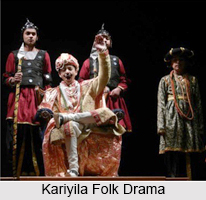
Kariyila Folk Dance
Kariyila is one of the most appealing and popular folk drama forms of Himachal Pradesh, portraying social satire with the accompaniment of folk dance...