
Haveri is a small city in Haveri district of the south Indian state, Karnataka. It is also administrative headquarters of the Haveri District. It is situated on NH 4 between Hubli and Davanagere in Karnataka. Hubli and Davanagere are both situated at a distance of 72 km. from Haveri. The name Haveri comes from the Kannada words `havu` and `keri`, which means place of snakes. Bangalore, the state capital is located at a distance of 340 km. from Haveri. The city is well connected to other major cities and towns in Karnataka. Haveri Railway Station is a prominent junction under the South Western Railways. The nearest airport is at Bellary, which is located at a distance of 119 km. from Haveri. The Haveri Bus Station also connects Haveri to important towns. Geographically, the town is located between 14.8° North latitude and 75.4° East longitude at an altitude of 572 metres (1876 feet) above mean sea level.
As per the India census report published in 2001, Haveri had a population of 55,900. Males and females account for 51% and 49% of the population. In Haveri, 13% of the population is less than six years of age. The census report also throws light on the literacy rate of the city which is 70%. This is a progressive trend because the national average literacy rate is 59.5%. Out of it, the male literacy rate is 76% and the female literacy rate is 64%. The city has a number of good educational institutes because of which the literacy rate is high.
Haveri is an important center for cardamom trade in the district because there are a number of cardamom gardens in the city. It is also famous for the Byadagi red chilies, which is widely known all over India.
It is said that in ancient times Haveri had thousand Maths (sacred religious places). One of the distinguished maths in Haveri is Hukkeri Math. Haveri was also a major center of the Kalamukha sect in India. Thirty- two scriptures have been excavated from here. Kaginele, a town 15 km. from Haveri is a tourist destination as it is the birthplace of the poet Kanakadasa. Other nearby tourist attractions includes Byadgi and Ranibennur at a distance of 15 km. and 26 km respectively.
Haveri
Haveri is a small city in Haveri district of Karnataka well known for its cardamom gardens.
Recently updated articles in Cities of India
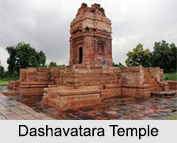
Places of Interest in Deogarh Uttar Pradesh
A place of historical and archaeological significance, Deogarh is a site with few popular places of interest.
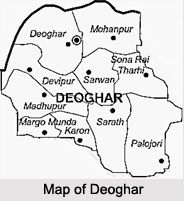
Deoghar in Jharkhand
Deoghar is the divisional headquarters of Santhal Parganas located in Jharkhand and is popular for the famous Baidyanath temple and Shiva Temples.
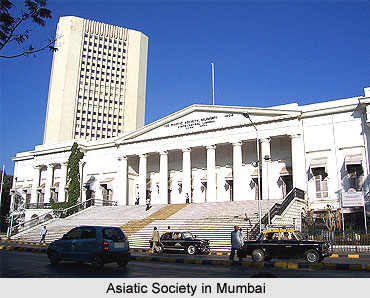
The Asiatic Society of Mumbai
Asiatic Society in Mumbai is the temple of Asian Studies from the time of British rule in India.
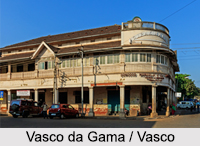
Vasco da Gama / Vasco City
Vasco da Gama / Vasco is the biggest city of Goa and is one of the most visited for its perfect amalgamation of business as well as leisure options.
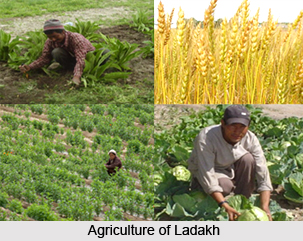
Agriculture of Ladakh
Agriculture in Ladakh is primarily practiced in the short summer season due to its cold desert climate. Farmers grow hardy crops like barley, wheat, p...
Related articles in Cities of India
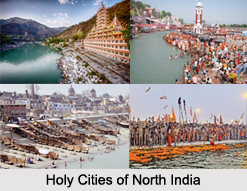
Holy Cities of North India
Holy Cities of North India are having the rich history of Hinduism and the entire civilization was grown up with the hands of beliefs, rituals and the...
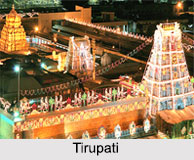
Holy Cities of South India
Holy Cities of South India gives the detailed cultural formation of Dravidians from the early era, which later developed to the world by the Pallavas...
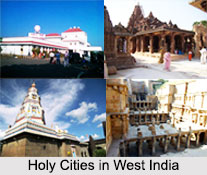
Holy Cities of West India
Holy Cities in West India were established by the rulers of Rajputs and the Satvahana Dynasty and the medieval rulers of Junagadh.
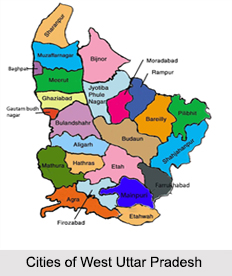
Cities of West Uttar Pradesh
Cities of West Uttar Pradesh include Meerut, Bulandshahr, Ghaziabad, Saharanpur, Muzaffarnagar, Bijnor, Bareilly, Rampur, Agra, Aligarh, Mathura and m...
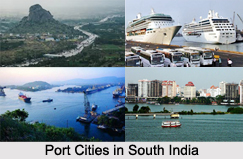
Port Cities of South India
Port Cities of South India are developed from the early phase of colonial era when the Portuguese and the French traders came to India