 Katha Upanishad consists of 120 verses, is one of the most popular Upanishads known for its simplicity and clarity in making the subject matter regarding the Highest Truth easily understandable. The Fourth Chapter of Katha Upanishad has 15 verses where Lord Yama explains about Brahman to Nachiketa.
1st - 5th Verse
According to it the Lord created the sense organs with a basic interest for material objects. The man thus is only able to see the outward appearances not within himself. In man wishing to attain liberation concentrates inward and tried to find the Supreme Soul. The unwise men try to attain worldly objects and fulfil material desires. Hence they fall into the trap of death and re-birth. The wise on the other hand understand the immortal one and do not try to achieve the materialistic objects. A man enjoys the various objects of his desire in the forms of sound, feel, vision, taste and smell. These different forms are also capable of going beyond all such worldly objects and associating them with the immortal being. Once a person realises the all pervading Atma he gets rid of all sorrows.
6th - 10th Verse
A person who realises Atma that has been born from the Brahma before the five components were created, also known as pancha bhuthas - viz., the water, fire, earth, air and space, realises the truth. It resides in the heart of all beings. It takes the form of all Gods and Goddesses, known as the aditi. It is known as the chief life-breath and has been created along with all other things. As the fire remains concealed within the two pieces of wood, as the embryo is hidden within the mother, the Atma is also hidden and protected within the heart. All the Gods reside in that vital energy from where the sun rises and unto where it sets. No one can go beyond that as it is the ultimate truth.
11th - 15th Verse
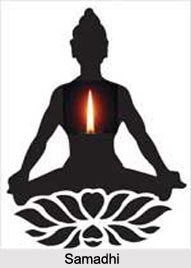
The Supreme Being can be achieved and attained only by the mind. There is no difference between him and the Atma. Whoever does not realise this gets trapped in the cycle of deaths. The Purusha or the Atma resides within one`s body i.e. within the cave of heart. He is the Lord of everything that comes and goes. A person who understands this will never worry about saving or protecting himself. The Purusha that dwells in the heart cave is like a flame without a smoke. It is crystal clear. He is the Lord who has created everything he is the present and the future. As pure water poured into pure water merges with each other, a soul of a sage who has understood the truth of the Self merges with the Brahman.