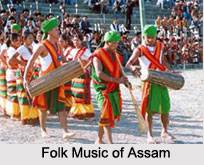
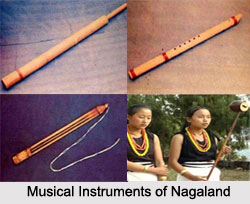
 Folk songs on rivers are many in number as many of the rural folk are dependent on the rivers for a livelihood. The river with its distinctive panorama has inspired a rich corpus of folk-songs of charm and appeal. The Bhatiali songs of West Bengal are the most apt illustration for this. The Bhatiali, as it is sung against the wide expanse of the river, gives a resonance to the voice of the singer. His boat glides with the stream, for Bhatialis are downstream songs. The singer seems to imbibe an undertone of sadness from the river, and the river from the singer. The Bhatiali more generally has for its theme love and spiritual musing.
There are other songs of the river too. The themes of these songs are mostly love and the life of the river. There are a number of folk songs from Bengal on these rivers as there are many rural folk here who are dependent on the river for their livelihood. Similar sentiments can be seen echoed in the Marathi Ovi, which is rather nostalgic in its appeal and the folk songs sung in the Shimla Hills expressing similar sentiments of sadness and nostalgia.
In those distant days when land-routes were not developed, people had to depend mainly on the river-routes; the rivers were the arteries of commerce and communication. Thus they acquired a very important role in the life of the people. This can be particularly seen in some of the songs of Kerala. The men-folk take to the commerce of river-routes; which means long absences from home and the seasons, as they change, make this long waiting more agonising. Each returning boat brings hope to the women only to be followed by despair as it approaches. A rich corpus of songs has grown round this theme. For instance, there is a folksong called Baramahigit in Assam. It describes a woman`s pangs at separation from her husband and the moods that the different seasons of the year evoke in her.
The river is not merely a symbol of romantic associations; as the peasant is not oblivious of its destructive power and potency. During the rains, it sweeps across the fallow lands destroying harvest and cultivation, cattle and at times men. As the floods recede, diseases break out; the economic structure of the village is rudely shattered. The life of the peasant, in Assam and Bengal particularly, is one long struggle against the vagaries of nature. The following song from Bengal voices it.
"It was not in my fate, the flood came and the river overflowed. Everything that belonged to me is gone; It was not in my fate.
With your miraculous power, Allah, you created man, Today you have taken away all my paddy, all my jute; Everything that belonged to me is gone, It was not in my fate.
How many sorrows you wrote, O God, in my fate? I will sell my jute to get you a good nose-ring, I told her, The same jute is gone with the cruel flood, It was not in my fate. This Bengali song is addressed to a boatman.
Listen to my woeful tale, O listen, O brother boatman, How many men and cattle died, In the monsoon storm; O brother,, Jin the monsoon storm?
The Salik bird is hatching its eggs on the toddy tree, O brother, it is hatching its eggs, My wife is gone to her parents, her father`s sister has died, Listen to my woeful tale, brother"