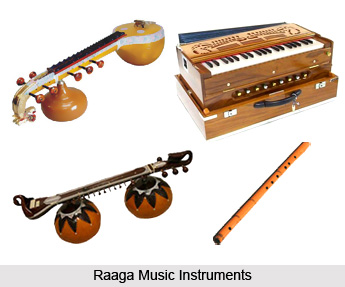
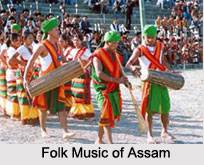
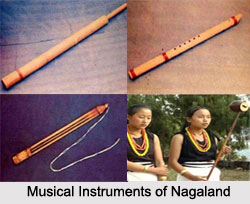
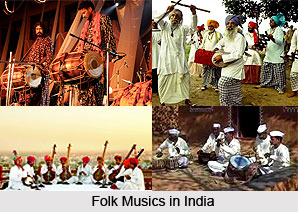
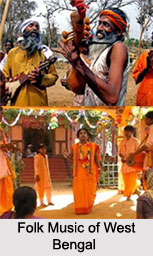
 Folk Music of West Bengal is a tree in itself which consists of the secular folk song genres. The folk songs reveal the feelings and sentiments of the common people, their deprivation and struggles, anguish and bitterness, torments and anger in a simple and straightforward manner. Common instruments include the Dhak, Khol and Dhol drums; the Ektara and Dotara; and the idiophones Kansar and Kartals.
The Folk songs of Bengal may be classified as being:
•Emotional and Secular
•Religious or Sectarian like Baul, Vaishnava and Sakta
•Occasional, ceremonial and occupational, like festival songs (Parvageeta), marriage songs, etc.
History of Folk Music of West Bengal
Bengali folk music has its traces both in the present West Bengal, India and Bangladesh. Especially, Baul and Bhatiyali folk music and songs have been influenced by great thinker, singers and ballads from both sides. The two Bengals (East and West) are regions where folk music composition had multi forms, the ideas and patterns of tunes being mostly distributed and exchanged at different levels.
Some of the famous folk music of West Bengal is as follows;
Baul: Baul songs sung by specific groups of travelling mystic minstrels known as "Bauls". Baul music celebrates celestial love. It carries the influences of Bhakti movements as well as the Sufi movements. One of the biggest exponents of this form is the philosopher poet, Lalon Fakir. In current times, Purnochandra Das Baul is quite a name across the world.
Bhatiyali: Bhatiyali is a traditional form of folk music in both East Bengal, Bangladesh and West Bengal, India. Bhatiyali is a traditional boat song, sung by boatmen while going down streams of the river.
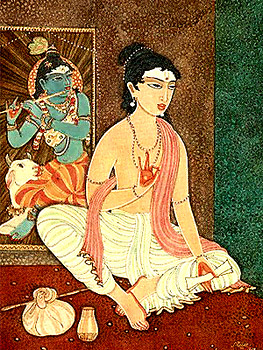
Keertan: Keertan are religious songs usually sung in chorus, mostly in praise of Lord Krishna and Gouranga. The impact of various religious thoughts produced folk cult of different types. The Vaishnava cult including Keertan has influenced many folk songs.
Tarja: Tarja is a form of folk poetry contest from Bengal with a long tradition. Historically it used to be performed in the village gathering around a chandimandap or altar for village god, fair and other social events, in streets, and marketplace religious festivals.
Kavigan: Kavigan is a form of Bengali folk performance wherein folk poets sing and perform. Mukunda Das, more well-liked as a charan kavi, was also a kaviyal.
Jhumur: Jhumur is a kind of folk songs that are sung before the Chhau dance starts. The songs are also based on the divine love of Radha and Krishna and the sublime character of the theme is maintained.