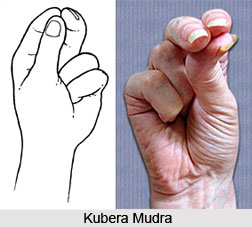
Drk darsanasaktyoh ekatmata iva asmita

This is the sixth yogic sutra which is contained in the second phase of the Patanjali Yoga Sutras.

The drk darsanasaktyoh ekatmata iva asmita yogic sutra spells out the analyses of egoism, or asmita, as is coined in yogic aspects. By differentiating the various levels of cognition, one can understand the concept of individuality. The exterior egoism takes over a being when he fails to distinguish between the inner and outer self. And if one succeeds in traversing through the two states, and overcomes seeing the outer mind, he is bound to experience reality.

drk power of vision, cause to see, power of consciousness
darsana power of seeing, looking, displaying, inspecting, perceiving
saktyoh ability, capability, strength, power
ekatmata having the same nature, in the same manner
iva as if, appearance
asmita egoism
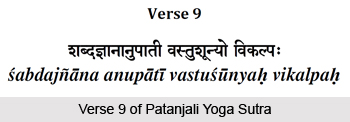
Drk darsanasaktyoh ekatmata iva asmita, Patanjali Yoga Sutra Egoism is the identification of the seer with the instrumental power of seeing.

Distinguishing the instruments of cognition - the senses of perception, intelligence and ego or the sense of the individual self - with the pure seer is egoism, or the conception of individuality.

Here is an instance of avidya. Iron and coal are two different entities, but when iron is heated, it becomes red hot and looks like live coal. Likewise, though the body and the eternal Self are dissimilar entities, lack of knowledge makes one believe that they are one. Taking pride in the body as the Self is also avidya.

Though there is a dissimilarity between the seer (atma) and the seen, during the act of perceiving the seen (the mind itself) looks as if the pure seer. This appearance of merging or `oneness` is because of asmita.

One must be aware of the difference between the seer (atma) and the instrument that sees (buddhi). If they coalesce and work together, that experience is reality. But if the mind and senses - the seer`s agents, take it upon themselves to identify with the true seer, as though the seer were manifest or apparent, then polarities are created and seer and seen become separated or split. This is asmita.

Recently updated articles in Yoga

Khanda Manda Yoga
Khanda Manda Yoga Thumbnail

Khanda Manda Yoga

Khanda Manda Yoga is a difficult form of yoga where the Yogi cuts off his own arms and legs with a sharp cleaver, that is axe-like knife, and throws t...

Kaivalya Pada
Kaivalya Pada Thumbnail

Kaivalya Pada

Kaivalya Pada, the fourth chapter of Patanjali Yoga Sutra denotes an absolute, indivisible state of existence of the Yogi. The Kaivalya Pada is someti...

Vibhuti Pada
Vibhuti Pada Thumbnail

Vibhuti Pada

Vibhuti is the Sanskrit term for “power” or “manifestation.” In this third chapter, Patanjali introduces the final three limbs of Aṣṭanga Yoga, collec...

Sadhana Pada
Sadhana Pada Thumbnail

Sadhana Pada

Sadhana Pada in Patanjali Yoga Sutra denotes the idea of practicing yoga that leads to spiritual illumination. Sadhana, the Sanskrit term for “practic...

Samadhi Pada
Samadhi Pada Thumbnail

Samadhi Pada

Samadhi Pada is the first chapter of Patanjali Yoga Sutra. In this chapter, the author explains the essence of yoga, the nature of samadhi, and the me...