 The drasta dr`simatrah suddhah api pratyayanupasyah sutra delves further into the mind of the seer. As the seer moves from nature to soul, pure consciousness is achieved. Although intelligence at times stands in the way of uncontaminated knowledge, which turns so influential that it shrouds the soul, thereby losing its true identity. However, the consciousness can be kept un-hazed by keeping intelligence under check.
Drasta seer, purusa, one who sees
dr`simatrah awareness only, consciousness only suddhah pure
api even though
pratyayah conviction, trust, reliance, faith, cognition, confidence
anupasyah one who sees, seeing along with, cognising ideas
The seer is pure consciousness. He witnesses nature without being reliant on it.
This sutra moves on from nature to soul, the Supreme Seer, the absolute knower. It is the pure essence of consciousness beyond words. Though the soul is pure, it is liable to see through its agent, the intelligence (buddhi) and being carried away by the manipulation of nature, it loses its identity.
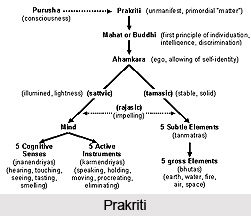
The previous sutra dealt with nature (prakrti) and discernible objects. Here, the nature of the seer, the soul (purusa) is described. Atma, drasta and drsimatrah are terms which illustrates the innate nature of the seer.
Intelligence obscures consciousness in such a way that it comes to identify itself as the true seer and forgets the soul. But if intelligence can keep its power of discernment, consciousness too will remain uncoloured. If consciousness is clear, the seer is un-obscured.
Intelligence, belonging as it does to manifest nature, is constantly in the process of change, sometimes conscious and often unconscious. It is subject to sattva, rajas and tamas, while the seer, purusa, is beyond all these, immutable and ever-conscious.