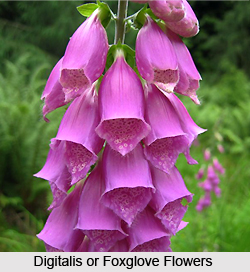
 The vigorous components of digitalis are the several glycosides, including three well-defined glycosides, viz., digitoxin, gitoxin and gitalin. All the three glycosides own the attribute to encourage and energise cardio-vascular activity. The leaves contain petite amount of glycosides. Digitoxin is also incorporated in the leaves. The seeds bear an amber-coloured fatty oil with insipid taste.
Methods of usage
Digitalis mends severe cases like cardiac disorders, renal ailment, grievous wounds and scalds, of course with proper regulation of dosage.
Healing Power and Medicinal Properties of digitalis
The infuses from the Indian leaves are darker and bear more resinous matter than those made from the European kinds.
Heart Disorders cured by digitalis
This drug is primarily used in handling heart diseases. In case of clogged heart failure, it boosts and excites the activity of every muscle tissue. The herb coerces more blood into the coronaries, thus amending the sustenance of the heart. When blood circulation gets marred and dropsy sets in, digitalis helps in restituting and regularising the heart function.
Kidney Disorders healed by digitalis
It aids in urination by bettering blood supply to the kidneys and polishes off obstructions inside the kidneys.
Wounds and Burns healed by digitalis
Digitalis is used in specific balms for local application on wounds and burns. In instances of burns, it is extremely efficacious in preserving gravely injured cells.
Methods for Uses and Dosages - Digitalis is generally dispensed in the form of tablets, powder or digitalis tincture and suppositories available with the Ayurvedic pharmacies. It is also used in manufacturing injections. In remedial dosages, the drug generally gives rise to soft toxic effects. The toxic effects comprise headache, weariness, lethargy, nausea, vomiting and bleary vision. It is thus necessary to regularise the dosage in such a way so as to avert such effects. The lethal effects referred should be observed vigilantly and the dosage regularised consequently.