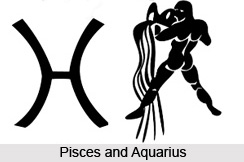
 During the approximately 2600 years of the Piscean Age, people have spent whole lives working principally on one body, or at the most, two or three bodies; but now, people need to purify and develop all bodies to accomplish the obligatory unity for employing the power of Aquarian Age energies. This is one basis, that so much unsolved karma appears to be coming to a head; one experiences a general housecleaning in all areas. People, who have difficulty handling the powerful Aquarian Age purification energies, may react to the pressure of the energy and their capability to use it beneficially by becoming furious, brutal or depressed. Those who have already accomplished good cleansing and union in their bodies, or who are at least doing thorough cleansing work, will be able to use the Aquarian Age energies in productive, enjoyable, creative and spiritual ways.
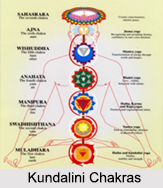
One feature of the Aquarian Age is increased consciousness of the physical body and its functions. Most individuals have been trained to rely basically on one`s brainpower for information; but by tuning into the consciousness received through the body by the chakras, one will be more in line with higher mental and spiritual energies and freer from limitations and brain programming. Development and use of the brain was very imperative in the Piscean Age, but now one also needs to flourish to higher octaves of mental and spiritual energies.