
The Golden period of Goa was on a decline during the mid of 17th century. Goa`s decline as a commercial port began to mirror the decline of Portuguese power. Goa faced one of its severe attacks at that time. `Ali `Adil Shah of Bijapur thought of ravaging a war on the Portuguese and reassert his sovereignty over Goa which the Portuguese had annexed from his ancestors. He retained the alliance of all five Muslim kingdoms which had destroyed the power of Vijayanagar Empire. In 1570 Adil Shah formed an alliance with the ruler of Ahmednagar whose territory was along the port of Chaul where the Portuguese had their fort. Shah also made a deal with the ruler of Calicut. They all thus attacked on all fronts.
Calicut was taken over by the Muslim alliance, but the Portuguese repelled the Ahmednagar army at Chaul, and held back the Bijapur at Goa itself. Adil Shah with his overwhelming manpower surrounded the city with a wall of men and elephants, while the combined fleets managed to block the harbour to ensure that no supplies reached the defenders. Against this immense armament the Portuguese could only raise a few hundred soldiers along with some priests who were unwilling to bear arms. Portuguese had the advantage of short lines of communication, but the chief defence of lay in the marshy lands which bordered it. After a siege that lasted nearly a year Adil Shah withdrew his troops and hence city was saved.
Within a very short span the city had almost made up for any loss in population. A number of travellers visited Goa and have vividly described about its magnificence and splendour. Among the visitors was Albert de Mandelso who visited Goa in 1639. He gave a vivid description of golden Goa. However by the seventeenth century life in Goa was completely corrupted and the whole economy was reliant on the slaves owned by different owners. Majority of the shops were under the management of the slaves.
When the other European nations arrived in India the once resilient Portuguese were not in proper position to put up much resistance and while Golden Goa remained in a trance the entire empire slipped away. Apart from the English the Dutch were the principle attackers and the ones who annexed most of the Portuguese empire. The Dutch had taken control over the spice trade - the original reason for Portugal`s eastern expansion.
Decline of Golden Goa
Decline of Golden Goa ensued during the 17th century when the Portuguese rulers lost their empire to the Dutch.
Recently updated articles in States of India
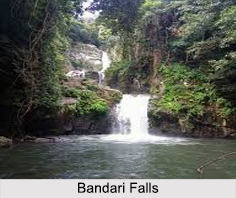
Bandare Waterfalls, Meghalaya
Bandare Waterfalls in South Garo Hills, Meghalaya, is a secluded natural attraction surrounded by dense subtropical forests and rugged mountain terrai...
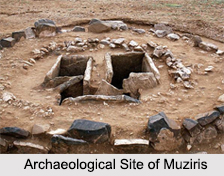
History of Thissur District
Early History of Thissur District explains flourishing of the port cities. Now these port cities are transformed into archaeological sites.
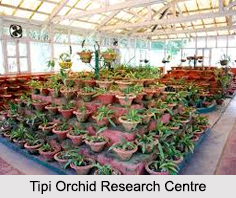
Tippi Orchid Research Centre, Arunachal Pradesh
Tippi Orchid Research Centre in Arunachal Pradesh is renowned for its rich collection of exotic and endangered orchids. Surrounded by lush rainforest...
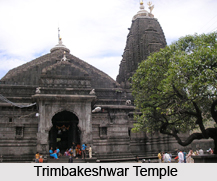
Tourism in Nashik District
Pilgrimage tourism in Nashik district involves visiting the various places of Hindu and Jain worship located here. Some of the holiest sites for Hind...
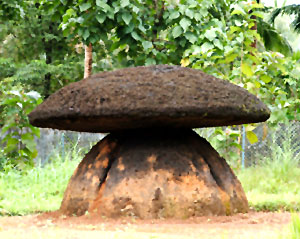
Mangadu, Kerala
Mangadu in Kerala’s Kollam district is a significant megalithic site known for its urn burials, cist burials, menhirs, and stone circles. Excavations...
Related articles in States of India
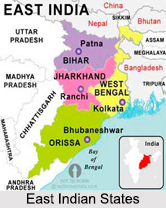
East Indian States
East Indian States comprises of Bihar, Jharkhand, West Bengal, Odisha and also the Union Territory of Andaman and Nicobar Islands. It defines the cult...
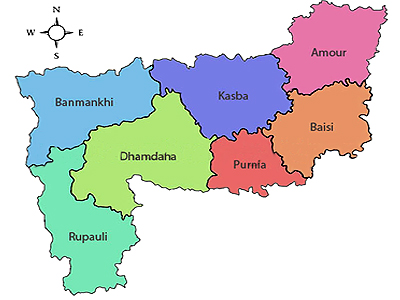
Purnia District in Bihar
Purnia District is located in Bihar and extends from River Ganga to Nepal. The district has a rich Hindu history and glorious past.
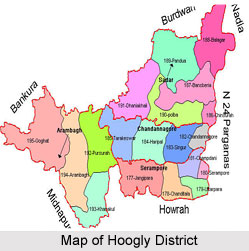
Hooghly district
Hooghly District along the bank of the river Hooghly is one of the principal trading ports of West Bengal.
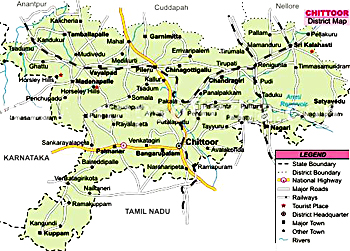
Geography Of Chittoor District
Geography of Chittoor district is spread along the topography of the land which is divided into two natural divisions; Chittoor has a dry and healthy...
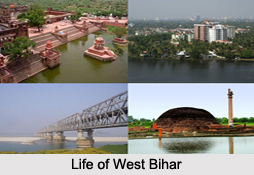
Districts of West Bihar
Districts of West Bihar is comprised of medieval monuments that were built by the different governors of Mughal era.