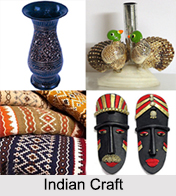
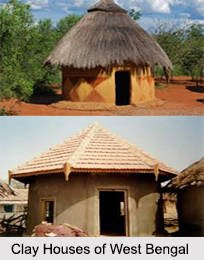
 The concept of using clay to mould and fashion objects from it, is one of the most ancient forms of craftsmanship in India. In the eastern Indian state of West Bengal, clay art is the traditional form of art and the districts of Nadia, Murshidabad, Bankura, Bishnupur and Krishnanagar popularised this art form. Other than making dolls and pottery from clay, the artisans have given expression to their need and art in the form of clay houses.
Significance of Clay Houses of West Bengal
Bengal is not rich in good stone for building, so the traditional form of Bengali architecture included mostly the use of brick and wood. Now keeping at par with this similar kind of architecture, the rural population of the state modified the concept a little and used clay to built houses, which in turn symbolised a nucleus around which the rural population of Bengal had come to exist.
Architecture of Clay Houses of West Bengal
Architecturally simple, the first of its kind clay houses of West Bengal were built with curved straw roofs. These straw curved roofs were between 2 to 8 tiered and sometimes even 12 tiered. Designs were made, like the shape of two peacocks by folding the two ends of the top layer of the straw roofs. Other than straw, the artisans sometimes used to dabble with tin as a roofing component but maintained their traditional decor by bending the tin sheets.
The clay houses of West Bengal with straw roofs were popular even among the independent sultans of Gaur Bengal, who were so impressed by the sheer simplistic beauty of it that they started to construct their very own straw roofed buildings for holding religious ceremonies. There were temples constructed similar to the design of these prayer buildings and it attracted the British rulers who used this similar style of architecture while building their bungalows or dak bungalows. The walls of these houses were covered with plaster known as uluti, tushuti, patuti, etc and then the smooth surface was decorated with bas- relief designs of clay. These decorations usually had motifs of flowers, creepers, animals and birds.
Apart from building houses out of clay, the artisans had showed their skill by constructing 2 or 4 tiered pavilions for worshipping the Hindu Gods and Goddesses predominantly Goddess Chandi. They also built pavilions of 4 to 8 tiered for hosting public performances.
The clay houses of West Bengal exhibit the rich cultural diversity and heritage of the state.