
Civaka Cintamani is a classical epic poem and is considered one of the Five Great Tamil Epics that was composed during the 10th century CE in the Sangam age of Tamil Literature. The epic is a Jain religious text written by a Jain ascetic known as Tirutakkatevar. Civaka Cintamani (Jivaka Cintamani in Sanskrit), meaning Fabulous Gem, is also known as Manannul (Book of Marriages). The epic is amongst the Five Great Tamil Epics as considered by the Tamil literary tradition. The other epics include Cilappatikaram, Manimekalai, Valayapathi and Kundalakesi. An analysis of the structure and form of Civaka Cintamani reveals that it as one of the standard models of the Ramayana by Kamban. Civaka Cintamani was illustriously received by the Chola Kings in their courts as they were great admirers of the native literature. Due to the quality of poetic articulation, theological message and an appealing plot, the epic Civaka Cintamani had been unmatched in the Tamil Sangam literature. The story relates to a protagonist who rises to become king through his virtue only to abandon his high position and follow a life of religious value.
Civaka Cintamani describes the romantic experiences of Jeevaka and depicts the arts of music and dance of the period. The epic is inspired from the Sanskrit original and consists of the exposition of Jain doctrines and beliefs. Civaka Cintamani is a mudi-porul-thodar-nilai-seyyul, which is a treatise of the 4-fold object of life and aim of literary work of virtue, pleasure, wealth and bliss. The epic contains 13 books or Illambagams and has 3147 stanzas. Civaka Cintamani is renowned for its pure articulation and inspiring verses, pregnant with religious sentiments and stuffed with information of arts and customs of social life. The epic portrays the martial adventures of the protagonist and the social pictures of the epoch.
Concept of Civaka Cintamani
Civaka Cintamani illustrates the tale of King Caccantan, who became so engulfed in spending his life in lustful pleasures with his queen that he could not manage any time for managing his kingdom. Involuntarily, King Caccantan handed over the control of his kingdom to his corrupt minister named Kattiyankaran. But after gaining power, Kattiyankaran attacks King Caccantan and prior to his death, the King sent his pregnant wife away on a flying peacock machine. Banished, the Queen gave birth to Prince Civakan, the hero of the epic, in a cremation ground. Civakan was raised by a Jain merchant and later he became a heroic figure and a leader of the Jain community. He had several adventures and love affairs and eventually married many women over the course of the various incidents. He had a special relationship with a dancing girl.
Eventually, Civakan returned to his fatherland from where his pregnant mother was banished, in order to avenge the death of his father King Caccantan at the hands of Kattiyankaran. Civakan finally defeated Kattiyankaran and won back his ancestral throne. He then married his 18th and final wife, an embodiment of omniscience and ruled for long in peace and prosperity, until Civakan became old. But the worldly attractions started to fade away. After he met with Mahavira, Civakan renounced the mundane world and attained spiritual salvation.
Civaka Cintamani
Civaka Cintamani is one of the Five Great Tamil Epics and a classical epic poem composed during the Sangam age of Tamil Literature by a Jain ascetic named Tirutakkatevar.
Recently updated articles in Indian Literature
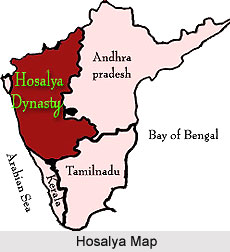
Gadyakarnamrita
Gadyakarnamrita is a 13th-century Sanskrit literary work written mainly in prose. It describes the ninety-day battle at Srirangam between the Hoysala...
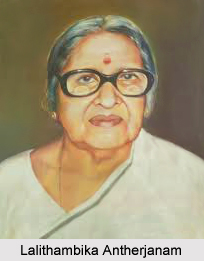
Women Writers in Malayalam Literature
Women writers in Malayalam literature have worked incessantly to make a place for their literary works. In the earlier periods, they were completely o...
Comrade Kirillov, Novel by Raja Rao
Comrade Kirillov, a distinctive creation of Raja Rao, is presented as a brief yet incisive novelette that offers an ironic portrayal of the self-contr...
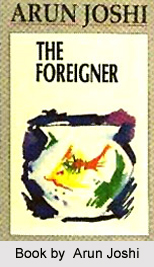
The Foreigner, Novel by Arun Joshi
“The Foreigner” is a book authored by Arun Joshi and published by Vision. It is an illustrious creation in the entire career of Arun Joshi, the famous...
Short Story in Telugu Literature
Short Story in twentieth century Telugu Literature was extremely popular and growing in and developing in a major way. Their popularity was greatly fa...
Related articles in Indian Literature
Mythological Themes in Indian Literature
Mythological themes in Indian literature have been integral to every ancient and contemporary writer and their path to f
Literature During Gupta Age
It is during the Gupta Age literature in the form of poetry, epos and drama gained a colossal importance.
Literature of Aravidu Dynasty
Sanskrit and Telugu were the popular literary medium of communication during Aravidu dynasty.
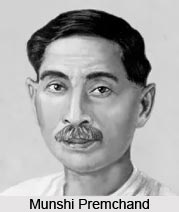
Munshi Premchand
Munshi Premchand was a legendary Indian writer notable for his modern Hindustani literature. A writer of a very high caliber, Premchand`s writings hav...
Sanskrit Poets
The names of some of the Sanskrit Poets are Bharavi, Devarshi Ramanath Shastri, Jayadeva and Srinivas Rath.