
Chainpur one of the largest villages of Saharsa district of Bihar, spefically in the Kosi Division. Chainpur has a number of village educational institutions (Tolas) and occasionally called Pubari, Pachhwari, Uttarwari and Dakshinwari tola. Chainpur gave the birth to Late Bhola Thakur and Late Paras Kumar Jha who gave their life for Quit India Movement and the extremist movement in Manipur in 2012.
Chainpur is associated with the life and contribution of Shri Bhagirath Thakur (one of the earliest inhabitant of this village) came to this place and resided there. He found that this place is quite and peaceful. That is why, it is named as Chainpur. In Hindi word, "Chain" means peaceful.
The surrounding areas of Chainpur are a flat alluvial plain forming part of the Kosi river basin. Flooding is a major reason for the poor connectivity of the area as bridges tend to be washed away. The land is very fertile and rich is silt. Paddy, wheat, moong, maize, sugarcane etc. are the main crops of this village. The vegetables that are cultivated are potato, cauliflower, brinjal, carrot, raddish, lady finger etc, are cultivated in this village.
In Chainpur, people celebrate Kali Puja, Holi and Durga Puja with enthusiasm Janmashtami, Shivaratri, Lord Hanuman Jayanti etc. are also celebrated with full zest and fervour. Sama Chakeva, Chhath Puja, Chaurchan etc. are other festivals celebrated with pomp in this village.
This article is a stub. You can enrich by adding more information to it. Send your Write Up to content@indianetzone.com
Chainpur
Chainpur is one of the largest villages of Saharsa district of Bihar.
Recently updated articles in States of India
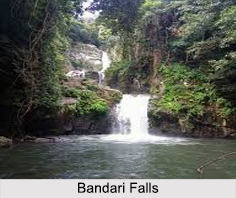
Bandare Waterfalls, Meghalaya
Bandare Waterfalls in South Garo Hills, Meghalaya, is a secluded natural attraction surrounded by dense subtropical forests and rugged mountain terrai...
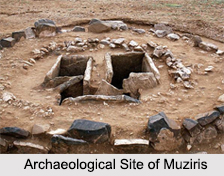
History of Thissur District
Early History of Thissur District explains flourishing of the port cities. Now these port cities are transformed into archaeological sites.
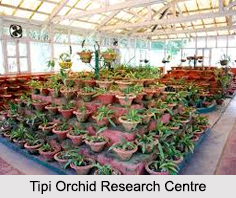
Tippi Orchid Research Centre, Arunachal Pradesh
Tippi Orchid Research Centre in Arunachal Pradesh is renowned for its rich collection of exotic and endangered orchids. Surrounded by lush rainforest...
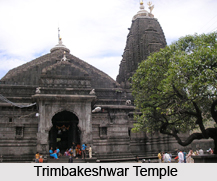
Tourism in Nashik District
Pilgrimage tourism in Nashik district involves visiting the various places of Hindu and Jain worship located here. Some of the holiest sites for Hind...
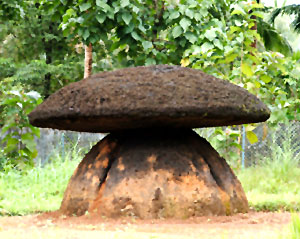
Mangadu, Kerala
Mangadu in Kerala’s Kollam district is a significant megalithic site known for its urn burials, cist burials, menhirs, and stone circles. Excavations...
Related articles in States of India
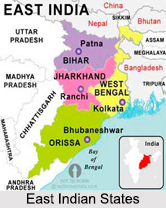
East Indian States
East Indian States comprises of Bihar, Jharkhand, West Bengal, Odisha and also the Union Territory of Andaman and Nicobar Islands. It defines the cult...
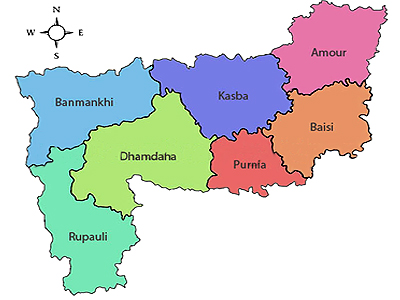
Purnia District in Bihar
Purnia District is located in Bihar and extends from River Ganga to Nepal. The district has a rich Hindu history and glorious past.
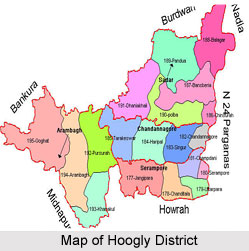
Hooghly district
Hooghly District along the bank of the river Hooghly is one of the principal trading ports of West Bengal.
Geography Of Chittoor District
Geography of Chittoor district is spread along the topography of the land which is divided into two natural divisions; Chittoor has a dry and healthy...
Districts of West Bihar
Districts of West Bihar is comprised of medieval monuments that were built by the different governors of Mughal era.