
Bhasa is one of the earliest known Indian dramatists in Sanskrit. Bhasa is placed in the third century A.D. By the time of Bhasa drama perhaps became a popular form of entertainment which encouraged Bhasa to write thirteen dramas. Bhasa was known for the allusions in the works of other Sanskrit dramatists until the texts of 13 of his dramas were discovered and published in 1912. Most of his works are adaptations of theme of heroism and romantic love borrowed from the Ramayana and the Mahabharata. He diverged from the conventions of the time by portraying battles and killings on the stage. His influence is seen in the works of Kalidasa. The thirteen dramas of Bhasa are Avimaraka, Pratijna-yangandhara-yana, Balacarita, Dutayakya, Madhyamavyayoga, Dutaghatotkacha, Pancaratra, Urubhanga, Karnabhara, Pratimanataka, Abhisekanataka, Carudatta and Svapnavasavadatta. Most of them are bated on epic themes; only Ayimdraka, Pratijna-yangandharayam, Carudatta and Svapna-vasavadatta are secular in character. Bhasa does not accord, in technique, entirely with the later ruler of the theorists
The Prakrits recognised by the Natyasastra are seen to be akin to those found in Bhasa. Bhasa does not hold on to the rules of the Natyasastra, as regards the formal mode of terminating his dramas or the exclusion of scenes of death from the stage.
Dramas of Bhasa
Bhasa selected both religious and secular themes for his plays. Most of his plays are based on epic themes i.e. from the Mahabharata and Ramayana. The Madhyama-Vydyoga, the Dutagha-totkaca, the Kamabhara, the Urubhanga, the Pancardtra, the Dutavdkya and the Balacharita are based on the Mahabharata. The Pratima nataka and the Abhiseka nataka are based on the Ramayana.
Bhasa wrote several dramas on non-religious themes, also like the Avimaraka, Parti-jnaugandharayana, Charudatta and Svapnavdsavadattd. According to the story of the drama Avimaraka, Kurangi, the daughter of king Kuntibhoja was saved from being killed by an elephant by an unknown youth. The boy was the son of the Sauvira king living with his father as a member of a degraded caste. He is in love with Kurangi, but as he belonged to a degraded caste he could not seek permission for marriage. He secretly planed to meet her but the plan got leaked. Depressed, the youth attempts to commit suicide but that does not happen because of divine interference with the help of a magic ring given by a Vidyadhara. Later Narada comes into picture and he reveals that Avimdraka was actually the son of the Lord Surya. The drama, however, ends in the marriage of Kurangi with the hero.
The Pratijndyaugandharayana of Bhasa derives its material from the Brihatkatha of Gunadhya. Its hero is the minister of Udayana, the king of Vatsa. It highlights the devotion of the minister towards the king by trying to free his lord from the prison of the Pradyota king Mahasena along with latter`s daughter Vasavadatta. He however himself falls in the hands of Mahasena. Mahasena, appreciates the minister`s cleverness and sets him free as well as agrees to the marriage of Udayana and Vasavadatta.
Bhasa also depicts a realistic picture of poverty in his drama. He reflects on the institution of slavery and also portrays that a slave could be made free by due compensation which Sajjalaka does by giving stolen ornaments to Vasantasena as mentioned in the Charudatta.
The dramas of Bhasa also throw light on the urban and rural life. In the play Avimaraka more realistic and typical aspects of the average city, Vairantya, the capital of Kuntibhoja of the period has been described. It mentions palatial buildings in the market place on both sides of the roads and the ground floor used as shops selling country sugar, honey and other commodities. The city also had a public park, but public entrance was stopped when any royal princess visited the place.
Reference to idol worship can also be found in the dramas of Bhasa. The glorification of Krisna is also found at many places in the plays of Bhasa. During the days of Bhasa, Buddhists were looked down in the society. In Charudatta a reference had been made about a Buddhist monk who has made an assignation with a girl servant, thus speaking about the low morality of the Buddhist monks in Bhasa`s times.
The plays of Bhasa appear to be written for the stage. The dramas of Bhasa begin with the direction, nandyante tatah pravisati sutradharah (i.e. after the introductory music is ever, the stage manager enters) but there are intimations of the contents.
Bhasa
Bhasa, an Indian Sanskrit dramatist of the 3rd century BC has written many Sanskrit dramas. He is credited with writing 13 dramas mostly based on Indian epics Ramayana and Mahabharata.
Recently updated articles in Indian Drama & Theatre
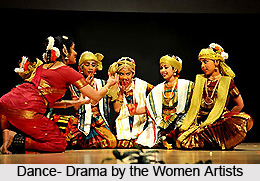
Amateur Theatre
Development of Amateur Theatre has been responsible for useful innovations in theatre culture of Karnataka.
Surendranath Ghosh
Surendranath Ghosh or Dani Babu was a Bengali thespian active during the mid-20th century. He was mostly known for his contributions to Bengal’s moder...
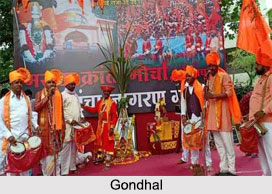
Gondhal Dance
Gondhal is a religious folk dance of Maharashtra. It is performed on special days like when there is a newborn in a family or marriage. Dedicated to g...

Pravritti in Natyashastra
Pravritti in Natyashastra refers to specific human behaviour varying from region to region. There are four types of Pravritti namely, dakshinatya, ava...
Padma Bhushan Awardees (2010-2019)
Padma Bhushan Awardees (2010-2019)
Related articles in Indian Drama & Theatre
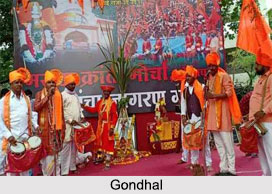
Gondhal Dance
Gondhal is a religious folk dance of Maharashtra. It is performed on special days like when there is a newborn in a family or marriage. Dedicated to g...
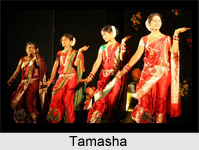
Tamasha Folk Dance
Tamasha is a folk art, which includes the love songs, which are traditional lavanis and dance along with the music.
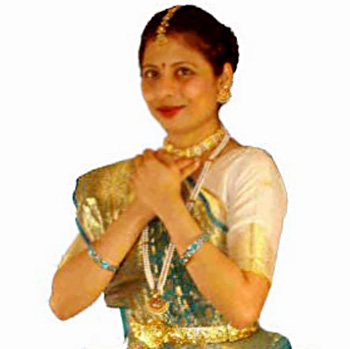
Sringara Rasa
Sringara Rasa is mentioned in Natyashastra as one of the important rasas. The Sthayi bhava in Sringara rasa is Rati or love.
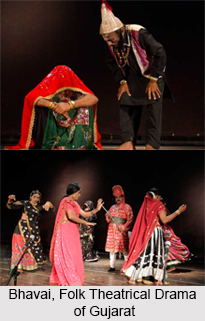
Bhavai - Folk Theatre of Gujarat
Bhavai is a popular folk theatre form of Gujarat that belongs to the tradition of theatre of entertainment.
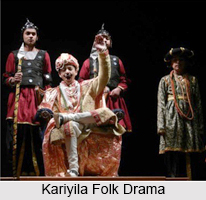
Kariyila Folk Dance
Kariyila is one of the most appealing and popular folk drama forms of Himachal Pradesh, portraying social satire with the accompaniment of folk dance...