
The Post Gupta era is described as a golden period for the Buddhist art. Architecture in Post-Gupta era was highly influenced by the large stone and rock-cut art style and pattern. Further, the architectural works of the Post Gupta period reflect large stone figures as well as relief sculptures. The traditions of the northern region of India are also found in the Post Gupta architectural works. Unfortunately, many of the works of that era were lost and the story of the development of the various schools of Hindu temple architecture in the north and west of India is consequently far from complete.
Five-shrine complexes are not uncommon in the Post Gupta era. By the end of the period there is often an ambulatory, usually a vestibule and an open or closed hall, nine-square or oblong-aisled, large enough for ritual dancing. Mulaprasada and matching hall walls are treated to a wide range of variations in plane needed to accommodate the pantheon, but five or seven bays are most common. Numerous horizontal divisions aptly relate to the structure and symbolism of the architecture of Post Gupta period. Further, in addition to the increasingly generous portico, subsidiary porches or balconies often project from the other sides. These are all usually bordered by a low parapet (vedika, recalling the fence of the sacrificial enclosure) supporting a seat-like ledge with vertical or sloping back and a truncated order that bears deeply projecting roof space. Early pillars also depict a brief idea of the architecture of Post Gupta era. The pillars are usually square, sometimes with graded projections, but later elaboration superimposed square, octagonal, sixteen-sided and circular zones, often treated to richly varied relief. Corbelled arches, undulating or cusped, are thrown between columns especially at entrances.
Portals, particularly of garbha-grihas, usually have five or more bands, some architectural, some with the repertory of `water-cosmology` motifs symbolic of lushness and the regeneration of passage through the tirtha. The northern shikhara may be essentially a single entity or it may be a cluster of spire-like forms. The former, called Latina, has miniature blind lunettes in tiers marked by `amalakas` on the corners and central bands of miniature lunettes in a mesh-like pattern over the projections to the mulaprasada below. Thus, it can be said that majority of the architectural work in the Post Gupta era mainly depicted extensive attention to specific ornamental details.
Architecture in Post-Gupta Era
Architecture in Post Gupta era was highly influenced by the detailed ornamental and rock-cut art work. A huge number of stone sculptures of the Post Gupta era reflected a distinctive form of architectural pattern.
Recently updated articles in States of India
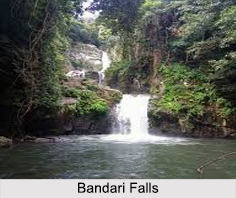
Bandare Waterfalls, Meghalaya
Bandare Waterfalls in South Garo Hills, Meghalaya, is a secluded natural attraction surrounded by dense subtropical forests and rugged mountain terrai...
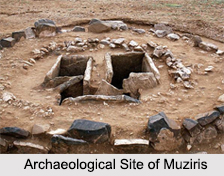
History of Thissur District
Early History of Thissur District explains flourishing of the port cities. Now these port cities are transformed into archaeological sites.
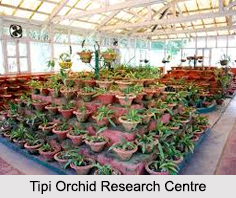
Tippi Orchid Research Centre, Arunachal Pradesh
Tippi Orchid Research Centre in Arunachal Pradesh is renowned for its rich collection of exotic and endangered orchids. Surrounded by lush rainforest...
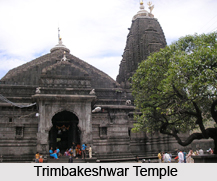
Tourism in Nashik District
Pilgrimage tourism in Nashik district involves visiting the various places of Hindu and Jain worship located here. Some of the holiest sites for Hind...
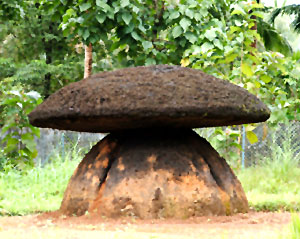
Mangadu, Kerala
Mangadu in Kerala’s Kollam district is a significant megalithic site known for its urn burials, cist burials, menhirs, and stone circles. Excavations...
Related articles in States of India
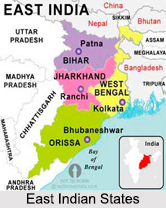
East Indian States
East Indian States comprises of Bihar, Jharkhand, West Bengal, Odisha and also the Union Territory of Andaman and Nicobar Islands. It defines the cult...
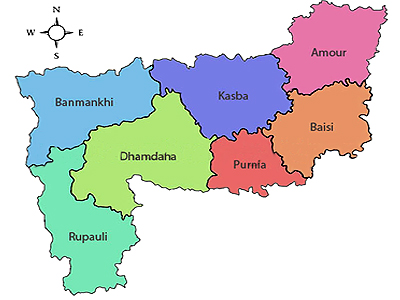
Purnia District in Bihar
Purnia District is located in Bihar and extends from River Ganga to Nepal. The district has a rich Hindu history and glorious past.
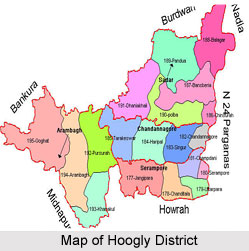
Hooghly district
Hooghly District along the bank of the river Hooghly is one of the principal trading ports of West Bengal.
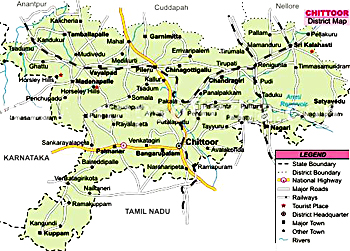
Geography Of Chittoor District
Geography of Chittoor district is spread along the topography of the land which is divided into two natural divisions; Chittoor has a dry and healthy...
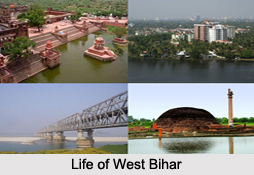
Districts of West Bihar
Districts of West Bihar is comprised of medieval monuments that were built by the different governors of Mughal era.