
The Adivardha Dramma of the Siyadoni inscription is believed to be the name of a billon coin. Further, it is also generally included in the `Indo-Sassanian` coinage category. Portions of its reverse design are vestigial remnants from the Vigrahapala Dramma. The coin has on the obverse a depiction of the boar incarnation of Vishnu, the ddivardha. On the reverse, in addition to the pictorial elements, is the late Brahmi, proto-Devanagari legend `srimadadivardha` or `the fortunate primeval boar`. This is a biruda or name of Bhoja I Pratihara, and there is broad agreement on the attribution of the Adivardha coins of the Siyadoni inscription to that ruler.
Adivardha Dramma shows signs of considerable change with time, and it is evident that rulers subsequent, to Bhoja I continued issuing coins on the same pattern. The mean weight of 117 surviving specimens is around 3.79 g. These also show much wear, not to mention considerable evolution of design indicating a long period of issue. The upper standard deviation of 15 finer style coins is around 4.02 g, and of 12 much worn cruder style coins is 3.87 g; this range may represent the coin`s weights at time of issue. Analysis by scholars detected a silver content in this type of coin of 36.38 per cent, which gives an absolute silver content for the Adivardha Dramma of around 1.38 g. This was a lowering of precious metal value from the earlier Vigrahapala Dramma.
In AD 1318, the dealers of Delhi assayed the Adivardha coins then received for melting at an absolute silver content of 1.16 g per coin, still less than the modern assay. It is likely that the latest Adivardha issues (of most debased composition) were the ones most frequently tendered for remitting in the fourteenth century. Being of distinctive appearance, it is not likely that the Adivardha coins would be entered in treasure-trove reports under the general title `Indo-Sassanian`. The coin finds are generally within the bounds of Bhoja`s empire, and duplicate the territory where Vigrahapala Dramma circulated, although there is a tendency towards greater concentration in the Rajasthan borderlands and a proportionate lighter representation in the Bihar region. This is supposed to be a temporal trend, or it might indicate the dispersal of the earlier coins eastward by way of war booty during the Gurjara and Pala wars.
Adivardha Dramma
Adivardha Dramma was a billon coin in usage during the time of Pratihara Empire and it generally belongs to the Indo-Sassanian coinage category.
Recently updated articles in States of India
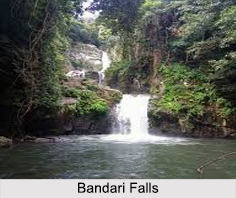
Bandare Waterfalls, Meghalaya
Bandare Waterfalls in South Garo Hills, Meghalaya, is a secluded natural attraction surrounded by dense subtropical forests and rugged mountain terrai...
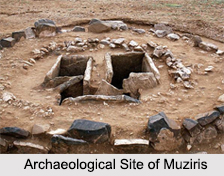
History of Thissur District
Early History of Thissur District explains flourishing of the port cities. Now these port cities are transformed into archaeological sites.
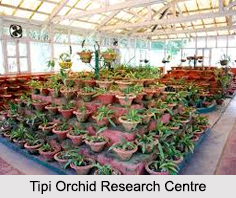
Tippi Orchid Research Centre, Arunachal Pradesh
Tippi Orchid Research Centre in Arunachal Pradesh is renowned for its rich collection of exotic and endangered orchids. Surrounded by lush rainforest...
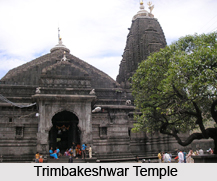
Tourism in Nashik District
Pilgrimage tourism in Nashik district involves visiting the various places of Hindu and Jain worship located here. Some of the holiest sites for Hind...
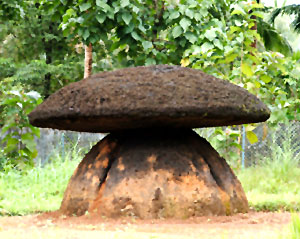
Mangadu, Kerala
Mangadu in Kerala’s Kollam district is a significant megalithic site known for its urn burials, cist burials, menhirs, and stone circles. Excavations...
Related articles in States of India
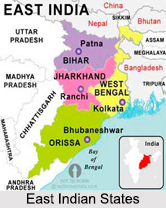
East Indian States
East Indian States comprises of Bihar, Jharkhand, West Bengal, Odisha and also the Union Territory of Andaman and Nicobar Islands. It defines the cult...
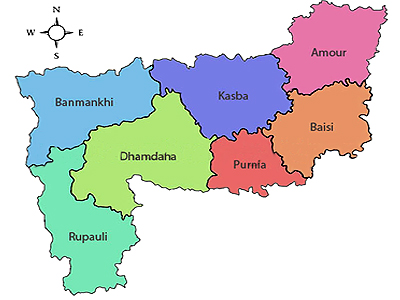
Purnia District in Bihar
Purnia District is located in Bihar and extends from River Ganga to Nepal. The district has a rich Hindu history and glorious past.
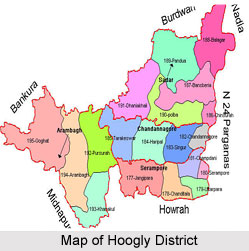
Hooghly district
Hooghly District along the bank of the river Hooghly is one of the principal trading ports of West Bengal.
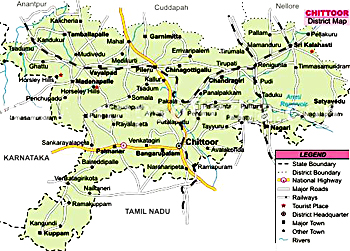
Geography Of Chittoor District
Geography of Chittoor district is spread along the topography of the land which is divided into two natural divisions; Chittoor has a dry and healthy...
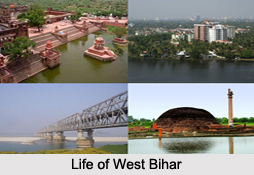
Districts of West Bihar
Districts of West Bihar is comprised of medieval monuments that were built by the different governors of Mughal era.