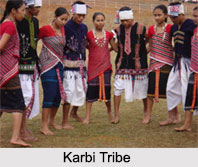
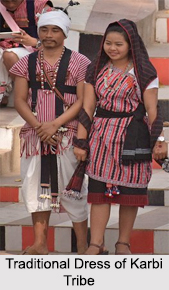
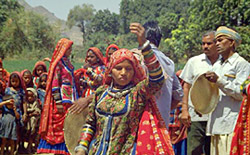
In matters of ornamentation,
Karbi society follows specific cultural norms. Karbi women are generally not
permitted to wear gold
ornaments, which are traditionally reserved for men. As women tend to wear a
greater number of ornaments, silver is extensively used in their adornment.
Some of the traditional jewelleries of Karbi tribe are:
Lek: A distinctive ornament worn by Karbi women
around the neck is
the Lek, typically crafted in silver. These
Leks are often made using coins and colourful beads and are locally known by
names such as Ser Alek Pongting, Lek Pengkhara, Lek Bonghom, Lek Waikom, and
Lek Jingjiri. Men also wear Leks, though theirs are made of gold and are
traditionally referred to as Lek Ruve, Lek Sobai, and Lek Manduli.
Roi: Karbi women also wear bracelets known as Roi,
with several varieties in use, including Roi Pengkhara, Roi Ke-er, and Roi
Kelok, among others.
No Thengpi: The ornaments worn by women to adorn
their ears are known as No Thengpi. These come in various types, including
Thengpi Angrongkatengbai, Angrong Kangchim, and others, each reflecting
traditional craftsmanship and cultural identity.
Norik: Men of the tribe also wear ear ornaments known
as Norik, which are traditionally crafted from gold or silver.
Arnan: The rings worn by the Karbi community are
known as Arnan. Common varieties include Arnan Ke-et, Arnan Kelop, Rup Bonda,
Ser Bonda, and Vokapardon Arnan, which are frequently worn on the fingers.
Karbi priests, however, traditionally wear Arnans made exclusively of copper.
Nothengpi: Nothengpi refers to distinctive ear
adornments, with elderly Karbi women traditionally stretching their earlobes to
accommodate bamboo tubes. This style was fashionable in earlier times and
featured ornaments such as Kadengchinro.
The timeless traditions of Karbi dresses and jewellery stand
as cherished expressions of cultural identity. Even where modernization is
forcing a change, the preservation of these cultural forms remains essential.
These exquisite creations distinctly define the Karbi tribe, safeguarding their
unique cultural heritage for future generations.